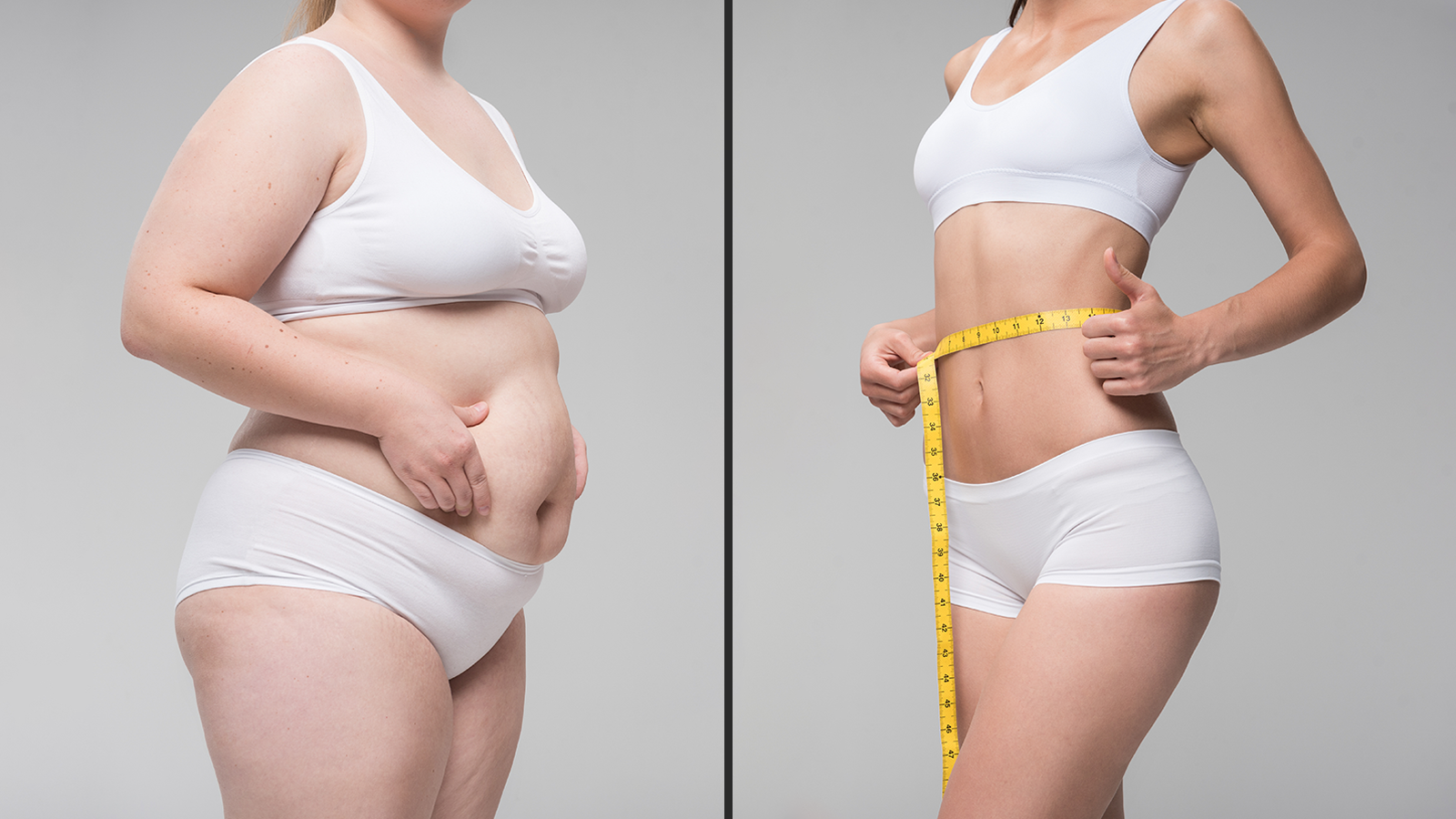
As women enter their 30s, many notice changes in their bodies, including an increase in belly fat. This shift can be frustrating and confusing, but it is a common experience influenced by a combination of hormonal changes, lifestyle factors, and metabolism adjustments. Understanding why belly fat tends to accumulate after 30 can empower women to make informed decisions about their health and wellness. In this article, we will explore the key reasons behind this change and offer practical tips to manage and reduce belly fat effectively.
Why Belly Fat After 30 Happens — It’s Not Always About Overeating
Hormonal Shifts & Fat Redistribution
- As women move past their 20s, hormonal balances begin to change. Especially, estrogen — a hormone that helps determine where fat is stored — starts to fluctuate. When estrogen declines, fat distribution shifts. Instead of hips and thighs, more fat accumulates around the belly
- This redistribution isn’t cosmetic only. The kind of fat often gained around the abdomen tends to be visceral fat — fat stored deep around internal organs. Visceral fat is linked to higher risks of insulin resistance, inflammation, and metabolic problems.
Slower Metabolism + Loss of Muscle Mass
- After 30, many women begin losing muscle mass gradually — often without realizing it. Because muscle burns more calories than fat, losing muscle means your body needs fewer calories. Maintain the same diet, and fat accumulates.
- You may burn fewer calories at rest than you did in your 20s, even if your activity stays the same. That makes it easy to gain weight — especially around the belly.
Insulin Resistance, Hormone Imbalance & Fat Storage
- As estrogen decreases, and as insulin sensitivity drops with age and lifestyle factors, the body becomes more prone to store fat instead of burning it. For many women, this means extra belly fat even with moderate eating
- Add stress and rising cortisol into the mix — life demands, work pressure, poor sleep — and the body is primed to hold onto fat. Cortisol especially favors abdominal fat storage.
Lifestyle, Sleep & Gut Health — Underestimated but Powerful
- Sedentary behaviours, especially common as people juggle careers, family, and other responsibilities, magnify fat gain after 30. Less movement = fewer calories burned.
- Poor sleep or disrupted sleep — from stress, late work hours, family demands — can disrupt hormonal balance. Sleep deprivation affects appetite-regulating hormones, often causing overeating or cravings. (Healthline)
- Gut health and inflammation also play roles. Imbalanced diet, processed foods, high sugars can trigger gut issues and inflammation, which research links to fat accumulation and metabolic disruption.
Belly Fat vs. What You Think: Myth vs. Reality
Many women assume belly fat after 30 is solely from overeating or lack of willpower. That’s a myth. In reality, it’s often a complex mix of biology, hormones, lifestyle, and age.
Here’s a quick comparison to help you understand better:
| Common Assumption | What Is Really Going On |
|---|---|
| “I’m just eating too much.” | Even stable calories can cause fat gain if metabolism slows or hormones shift. |
| “It’s just ‘getting older’.” | Yes, aging contributes — but hormonal changes + lifestyle amplify it. |
| “If I just exercise, I’ll lose it.” | Without also addressing hormones, muscle mass, stress & sleep — exercise alone may not be enough. |
| “All fat is the same.” | Belly fat after 30 is often visceral fat — deeper, more harmful, and harder to lose than subcutaneous fat. |
What Belly Fat After 30 Means for Your Health
Belly fat isn’t just a cosmetic issue. Carrying excess abdominal fat, especially visceral fat, has real health consequences:
- Increased risk of insulin resistance, which can lead to type 2 diabetes.
- Higher risk of cardiovascular diseases, because visceral fat is metabolically active and triggers inflammation.
- Hormonal imbalances affecting mood, energy, reproductive health — and possibly accelerating other aging-related issues.
- Lowered metabolic rate and decreased muscle mass — leading to fatigue, loss of strength, and long-term decline in physical function
It’s not just about looks. Belly fat after 30 can affect your long-term health — and that’s why understanding the root causes matters.
What You Can Do: Smart Strategies to Fight Belly Fat After 30
If you’re reading this and nodding along — feeling that shift happening — don’t worry. You can fight back. Here are evidence-based steps to get started:
1. Prioritize Strength Training & Maintain Muscle
- Include resistance or weight training 2–3 times a week to preserve muscle mass. Muscle is more metabolically active than fat — it helps burn calories even at rest.
- Even bodyweight exercises — squats, lunges, push-ups — help. Aim for consistency rather than intensity.
2. Balance Hormones with Smart Nutrition & Lifestyle
- Eat a balanced diet rich in whole foods: vegetables, lean proteins, healthy fats, and fiber. Avoid excess refined carbs and sugars.
- Manage stress: high stress → elevated cortisol → increased belly fat. Consider mindfulness, proper sleep, or gentle movement like yoga.
- Prioritize sleep: aim for 7-9 hours nightly. Poor sleep disrupts metabolism and hormones.
3. Monitor Gut Health & Inflammation
- Focus on whole grains, fiber, fermented foods (if you digest them well), and sufficient hydration — gut health affects overall metabolism.
- Avoid ultra-processed foods, excessive sugar or processed carbs, which may trigger inflammation and fat storage.
4. Track, Don’t Guess
- Keep a simple journal for what you eat, sleep, stress levels, and physical activity. Patterns help you identify what’s working — and what’s not.
- Don’t rely solely on scale weight: pay attention to waist circumference, how clothes fit, energy levels — especially since muscle gain may mask fat loss.
5. Embrace Lifestyle, Not Crash Diets
- Quick-fix diets often fail because they don’t address underlying metabolic and hormonal causes.
- Sustainable changes — exercise, balanced eating, stress management — give better long-term results.
How Belly Fat After 30 Differs From Younger Years
Let’s compare side-by-side what changes after 30 — and why what worked in your 20s may not work now:
| Your 20s | Your 30s+ |
|---|---|
| Higher muscle mass, faster metabolism | Gradual muscle loss, slower metabolic rate |
| Fat tends to store in hips/thighs (lower-body) | Fat redistribution — more to belly/abdomen |
| Can often “burn off” calories easily | Same calorie intake may lead to fat gain, especially visceral fat |
| Hormonal balance more stable | Fluctuating estrogen, insulin resistance risk, increased cortisol sensitivity |
| High energy, easier recovery | Need deliberate strength, proper sleep and stress care to maintain health |
When Belly Fat Is a Warning Sign — Not Just “Normal Aging”
Sometimes, belly fat is more than just a sign of age. Pay attention if you notice:
- Persistent increase in waist size despite no major diet change
- Bloating or visceral pressure (not just subcutaneous fat)
- Sudden fat gain even with modest lifestyle
- Other symptoms like fatigue, mood swings, insulin resistance, irregular cycles
These could signal metabolic issues: insulin resistance, hormonal imbalance, or other health conditions that deserve medical attention.
Final Thoughts: Belly Fat After 30 Isn’t Just Vanity — It’s a Signal
Belly fat after 30 isn’t a failure. It’s a signal — that your hormones, metabolism, stress levels, and lifestyle are changing. And if that signal is ignored, it could turn into bigger health problems.
But here’s the good news: once you understand what’s really going on, you can take control. With strength training, thoughtful nutrition, stress and sleep care — you can slow or reverse belly fat gain.
You owe it to yourself to treat this not as a cosmetic annoyance — but as a health wake-up call.
Share now if you know other women silently struggling with midsection changes. Let’s normalize understanding our bodies — and fighting for our health.
🔁 Read More for a deeper dive into hormonal balancing, gut-health strategies, and age-smart fitness plans.