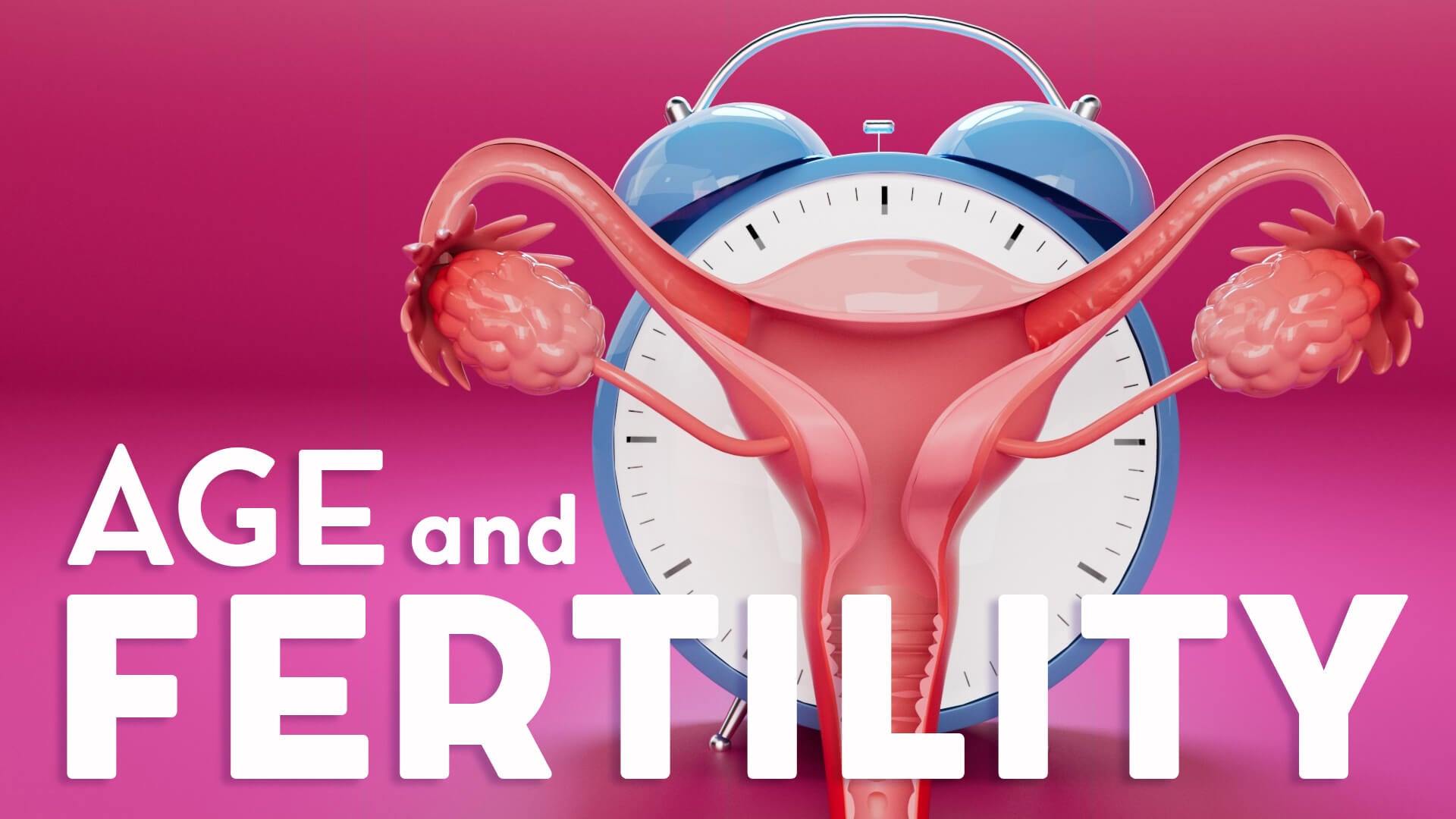
Fertility is often seen as a ticking clock, with many people believing that the ability to conceive sharply declines after a certain age. But what if the reality is far more complex and surprising than the common myths suggest? In this article, we’ll uncover the shocking truth about fertility at any age, exploring how factors like lifestyle, health, and modern medical advances play a crucial role. Whether you’re in your twenties or approaching your forties, understanding the real facts about fertility can empower you to make informed decisions about your reproductive health.
What Science Says: Fertility Doesn’t Stay Constant — It Begins to Fade
Your Egg Supply Is Finite — And it Declines Over Time
- Women are born with all the egg-cells (oocytes) they will ever have. This pool steadily shrinks with age.
- By early adulthood, many of those eggs are already lost. As you move through your 20s into your 30s, the number — and more importantly, the quality — of remaining eggs continues to fall.
- Research from a major health institute explains a core reason: with age, the DNA-repair mechanisms in egg cells become less efficient. As a result, eggs accumulate DNA damage over time, reducing their viability.
In short: you’re working with a shrinking and aging supply — and that makes conception harder as years pass.
Fertility Peaks Before 30 — Then Gradually (or Sometimes Suddenly) Declines
- A large study showed that fertility tends to peak around age 30 for many women.
- After 30 — especially as women approach their mid-30s — fertility begins a downward slope. Conception becomes less likely per cycle, and risks (like miscarriage) increase.
- This isn’t just about “having fewer eggs” — egg quality matters. As eggs get older, they are more likely to have chromosomal abnormalities, reducing successful fertilization or healthy embryo development.
That’s why many women notice a drop in fertility in their early 30s — it’s not always abrupt, but can feel sudden once things shift.
Molecular Aging: DNA Repair Declines, Egg Health Suffers
A key breakthrough in understanding fertility decline: scientists found that the egg’s ability to repair DNA damage deteriorates with age)
- Eggs accumulate DNA damage over decades (even if there’s no external “harm”).
- When repair mechanisms (like certain DNA repair genes) become less effective, damaged eggs are more likely to self-destruct or lead to unhealthy embryos. (Technology Networks)
This explains why fertility doesn’t just decline in number — but in quality. That’s why waiting longer increases the risk of failed pregnancy or miscarriage, not just difficulty conceiving.
What “Early 30s Fertility Drop” Looks Like — Key Signs & Risks
Here’s a breakdown of common changes many women experience as fertility begins to shift in their early 30s:
| Indicator / Sign | What It Means for Fertility / What’s Changing |
|---|---|
| Longer time to conceive per cycle | Lower egg quality & quantity → reduced chance each month |
| More cycle irregularities (ovulation, timing) | Hormonal shifts make ovulation less predictable |
| Increased miscarriage risk or failed early pregnancy | Higher chance of chromosomal abnormalities in eggs/embryos |
| Reduced ovarian reserve (lower AMH, fewer follicles on scan) | Smaller “egg pool” to draw from — earlier exhaustion risk |
| Difficulty with fertility treatments (IVF, ovulation induction) | Less response to stimulation, lower success rates |
Understanding these changes can help you spot early signs — which is half the battle won.
Can It Be Slowed Down? Yes — Natural, Science-Backed Ways to Support Fertility
The decline in egg count is inevitable. But you can influence how fast things decline — and support fertility long-term.
✅ 1. Prioritize Reproductive-Friendly Lifestyle Habits
- Eat a nutrient-rich, balanced diet. Antioxidants, healthy fats, vitamins — all support ovarian and egg health.
- Maintain a healthy weight. Both underweight and overweight can impair ovulation.
- Avoid toxins: smoking, excessive alcohol, environmental pollutants — they accelerate ovarian aging and DNA damage.
- Support good sleep & stress management: Chronic stress elevates hormones like cortisol, which can disrupt cycles and egg environment.
✅ 2. Protect Your Ovarian Reserve: Early Testing & Monitoring
- Consider measuring markers like AMH (Anti-Müllerian Hormone) or antral follicle count (AFC) to estimate ovarian reserve. This provides a snapshot — not a guarantee, but useful data.
- If fertility is a priority but not immediate, think about fertility preservation — for example, freezing eggs or embryos (if medically and financially feasible). Many fertility specialists recommend this for women delaying childbearing.
✅ 3. Support Egg Quality with Antioxidants & Healthy Habits
Because age leads to accumulating DNA damage in eggs, supporting cellular health is key:
- Antioxidant-rich foods (berries, leafy greens, nuts) help combat oxidative stress.
- Adequate hydration, regular moderate exercise, and avoiding environmental toxins support overall ovarian health.
- Avoid repeated extreme dieting or hormonal stress — maintain stable, balanced habits.
✅ 4. Timing & Awareness — Don’t Wait Indefinitely
- Because fertility begins sliding in the early 30s, if you plan to conceive later, be proactive: track cycles, monitor fertility markers, consult a fertility specialist if necessary.
- Aim for healthy lifestyle practices early — ideally before 30 or in early 30s — when egg quality is still stronger, to build resilience.
- Recognize that fertility isn’t forever. While many women conceive naturally in their 30s (even late 30s), odds reduce. Early awareness + smart choices give you better control.
What to Avoid — Common Mistakes That Speed Up Fertility Decline
Sometimes we unintentionally undermine our fertility by neglecting simple truths.
- Ignoring early signs: Skipping ovulation irregularities or missed cycles, assuming “it’ll correct itself.”
- Unbalanced lifestyle: Crash diets, extreme stress, poor sleep — all harm egg and hormonal health.
- Delaying fertility decisions for too long without monitoring reserve or health.
- Relying only on age myths: Believing fertility “stays fine until 40” — for many, that’s false optimism.
- Expecting quick fixes: Supplements, fad diets, quick-fix “fertility boosters” rarely overcome biological decline.
Why This Matters — Fertility Isn’t Just About Starting a Family Now
Understanding fertility decline isn’t about scaring you. It’s about empowering you with knowledge so you can make informed choices:
- It helps you plan realistically (career, family, finances).
- It enables early action — before quality or reserve declines too far.
- It encourages healthy long-term habits that benefit overall well-being, not just fertility.
- It reduces surprise, frustration, and regret when your body changes.
Final Thoughts — Your Fertility Clock Ticks, But You Have Levers to Control
Yes, fertility decline in the early 30s is real. The supply of eggs dwindles, egg quality degrades, and molecular aging undermines reproductive potential.
But — it doesn’t mean you’re out of the game. With informed awareness, healthy lifestyle choices, and early fertility care, many women successfully conceive healthy pregnancies in their 30s and beyond.
If you value fertility — treat it like the vital, biological resource it is. Feed your body well, stay healthy, monitor fertility markers, and plan proactively.
You can’t freeze time — but you can slow some changes, increase your odds, and keep hope alive.
Share this post with any woman you know who postpones motherhood or isn’t aware: this information could change the course of her fertility journey.
Read More to explore fertility-supporting nutrition, lifestyle routines, and when to talk with specialists.