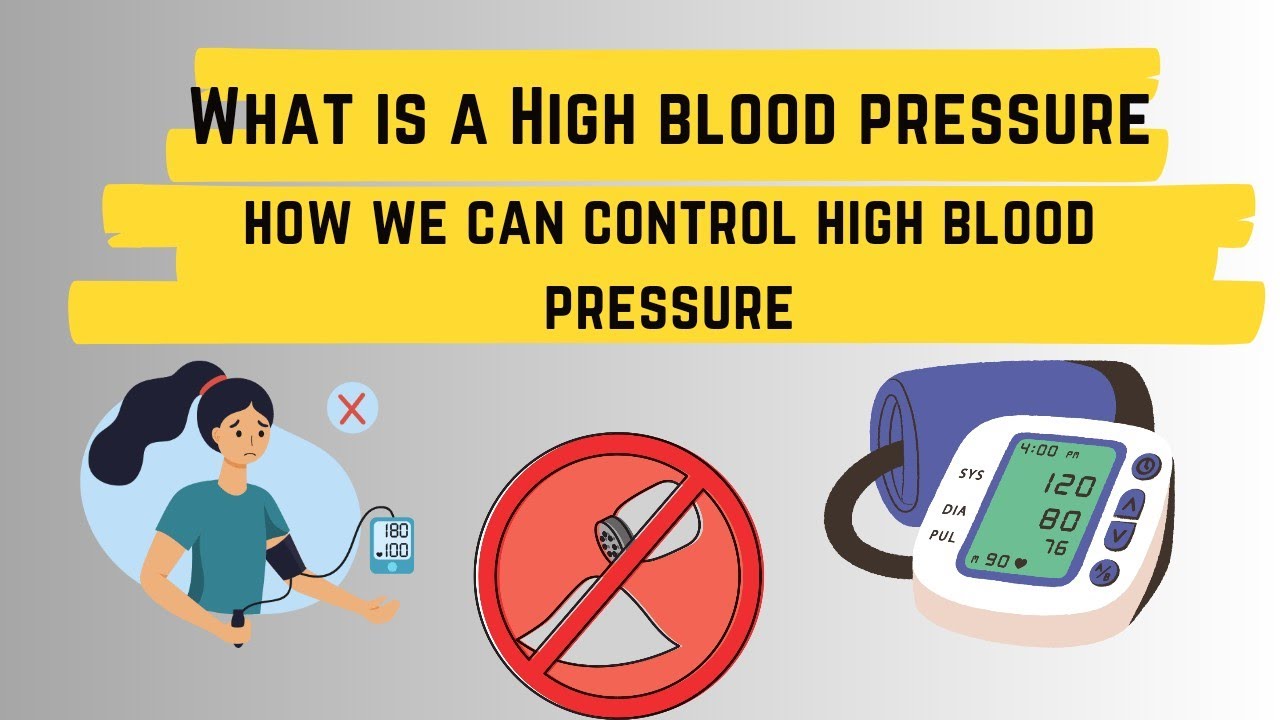
High blood pressure, or hypertension, is often called the “silent killer” because it can quietly damage your body without obvious symptoms. Despite your best efforts with diet, exercise, and medication, your blood pressure may continue to climb. But what if there’s an underlying cause you haven’t considered? Understanding the hidden reasons behind your rising blood pressure is the first step toward taking control of your health and preventing serious complications. In this article, we’ll uncover the surprising factors that could be driving your blood pressure higher and explore practical solutions to help you regain balance.
You’re taking the pills.
You’re doing “everything right.”
So why is your blood pressure still high?
For millions of people, high blood pressure treatment feels like a frustrating loop. Medication is prescribed, dosages are adjusted, and yet the numbers barely budge. Or worse — they spike without warning.
This isn’t failure.
And it’s not your imagination.
After three decades in health practice, one truth stands out clearly: medication alone often doesn’t address the hidden drivers of high blood pressure. Until those drivers are identified, numbers stay stubbornly high.
Why Blood Pressure Medication Sometimes Fails to Work as Expected
Blood pressure medication is designed to manage symptoms — not always causes.
That distinction matters.
Most drugs work by:
- Relaxing blood vessels
- Reducing fluid volume
- Slowing heart rate
But if the underlying pressure triggers remain active, medication is forced to “work against the tide.”
This is why many patients experience:
- Minimal improvement
- Temporary control
- Rising readings over time
The question isn’t “Why isn’t my medication working?”
It’s “What is still driving my blood pressure up?”
The Hidden Reason Your Blood Pressure Stays High Even on Medication
The most overlooked reason blood pressure stays high — even on medication — is chronic nervous system activation, often driven by stress, poor sleep, inflammation, and salt sensitivity.
This condition is sometimes referred to as resistant hypertension — when blood pressure remains above target despite treatment.
According to the American Heart Association’s explanation of dangerous, treatment-resistant high blood pressure, unmanaged lifestyle and biological triggers are often the missing piece
shocking causes of resistant high blood pressure revealed
How Chronic Stress Keeps Blood Pressure High Even on Medication
Stress isn’t just emotional — it’s chemical.
When stress hormones like cortisol and adrenaline remain elevated:
- Blood vessels constrict
- Heart rate increases
- Sodium retention rises
Medication may lower numbers temporarily, but stress re-activates pressure pathways repeatedly.
Signs Stress Is Sabotaging Your Medication
- BP spikes during workdays
- Higher readings at night
- Anxiety before measurements
- “White coat” hypertension
Until stress is addressed, blood pressure control remains unstable.
Why Poor Sleep Is a Hidden Blood Pressure Saboteur
Sleep is when the cardiovascular system resets.
Chronic sleep deprivation or untreated sleep apnea causes:
- Persistent nighttime BP elevation
- Hormonal imbalance
- Increased inflammation
Many patients don’t realize that nighttime blood pressure is often higher than daytime levels — a strong predictor of heart attack and stroke.
The Mayo Clinic explains how sleep disorders quietly interfere with blood pressure control, even when medication is used
Salt Sensitivity: Why Medication Alone Isn’t Enough
Not all salt affects people the same way.
Some individuals are salt-sensitive, meaning their blood pressure rises sharply with sodium intake — even when overall intake seems “moderate.”
Medication cannot fully counteract this effect.
Common Sources of Hidden Sodium
- Packaged “healthy” foods
- Bread and cereals
- Sauces and condiments
- Restaurant meals
This explains why blood pressure can remain high despite medication compliance.
The Role of Inflammation in Stubborn High Blood Pressure
Chronic inflammation stiffens arteries.
When arteries lose flexibility:
- Blood pressure rises
- Medication effectiveness drops
- Cardiovascular risk increases
Inflammation often stems from:
- Poor diet quality
- Insulin resistance
- Obesity
- Chronic stress
Medication lowers numbers — but inflamed vessels resist relaxation.
Why One Pill Can’t Fix a Multi-Factor Problem
High blood pressure rarely has a single cause.
It’s usually a combination of:
- Nervous system overdrive
- Hormonal imbalance
- Lifestyle stressors
- Metabolic dysfunction
This is why adding more medication doesn’t always produce better results.
Medication vs. Root Causes (Comparison Table)
| Factor | Medication Helps? | Lifestyle Impact |
|---|---|---|
| Stress hormones | Limited | High |
| Sleep quality | No | Very high |
| Sodium sensitivity | Partial | High |
| Inflammation | Minimal | High |
| Insulin resistance | Minimal | High |
Why Blood Pressure Looks “Controlled” — Until It Suddenly Isn’t
Many patients experience normal readings during doctor visits but high readings at home.
This happens because:
- Short-term calm masks deeper imbalance
- Stress returns quickly
- Nighttime pressure remains unchecked
Blood pressure is dynamic, not static.
Medication treats the snapshot — not the full picture.
What Actually Helps Blood Pressure Medication Work Better
Medication works best when pressure triggers are reduced.
Evidence-Backed Support Strategies
- Daily walking (30 minutes)
- Consistent sleep schedule
- Sodium awareness
- Stress-reducing routines
- Weight stabilization
These steps don’t replace medication — they unlock its effectiveness.
Why Many Patients Are Never Told the Full Story
Healthcare visits are short.
Doctors often focus on:
- Immediate safety
- Prescription management
- Acute risk reduction
Long-term lifestyle drivers are discussed less — not because they’re unimportant, but because they take time.
Unfortunately, patients interpret ongoing high readings as personal failure instead of missing strategy.
The Emotional Toll of Uncontrolled Blood Pressure
Living with uncontrolled blood pressure creates:
- Fear of stroke
- Anxiety around readings
- Medication frustration
- Loss of trust in treatment
This emotional stress raises blood pressure further, creating a cycle that feels impossible to escape.
Breaking the cycle starts with understanding.
How to Talk to Your Doctor About Stubborn High Blood Pressure
Instead of asking for stronger medication, ask:
- “Could stress or sleep be affecting my readings?”
- “Should we check nighttime blood pressure?”
- “Am I salt-sensitive?”
- “Are lifestyle factors interfering with treatment?”
These questions change the conversation.
The Truth Finally Revealed
The hidden reason your blood pressure stays high even on medication isn’t weakness — it’s unaddressed biology and lifestyle stressors working beneath the surface.
Medication is a tool.
But control requires strategy.
When pressure drivers are reduced, medication finally does what it was meant to do.
Final Thoughts: Control Is Possible
High blood pressure doesn’t mean lifelong frustration.
It means your body is asking for a broader solution.
When you understand why numbers stay high, you regain power — calmly, safely, and intelligently.
Call to Action
Share this with someone struggling with blood pressure control
Read more evidence-based heart health guidesStart one small change today