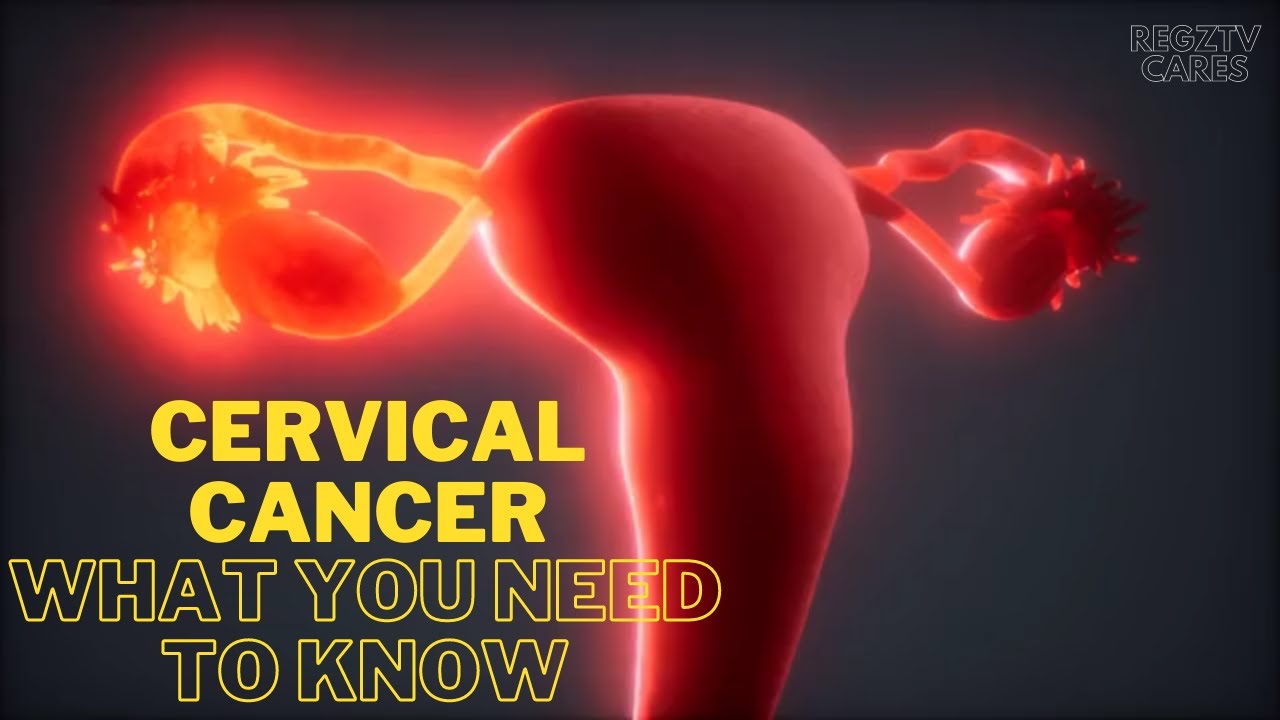
Cervical cancer is often perceived as a disease that primarily affects those with obvious risk factors, but the reality is far more complex and concerning. Even individuals who consider themselves “healthy” can face unexpected risks that many are unaware of. Understanding these hidden dangers is crucial for early detection, prevention, and ultimately saving lives. In this article, we delve into the surprising cervical cancer risks that might be lurking beneath the surface, challenging the common assumptions and empowering you with knowledge to protect your health.
You’re healthy, you eat well, exercise, and you go for annual checkups — so why do experts say you could still be at risk for cervical cancer? Prepare to be surprised. Some risk factors are hidden, misunderstood, or quietly lurking beneath the surface of your “healthy lifestyle.”
Cervical cancer is one of those diseases that shouldn’t catch anyone off guard — yet it does. Understanding the unbelievable risk factors behind it could save a life — maybe even yours.
What Is Cervical Cancer?
Cervical cancer arises from abnormal cell changes in the cervix — the lower part of the uterus that opens into the vagina. The primary driver is infection with high-risk human papillomavirus (HPV) — a common virus most sexually active people encounter at some point in their lives. (Cancer.gov)
But HPV isn’t the only risk factor — and that’s where the surprise comes in. Even if you consider yourself “healthy,” there are several factors that quietly raise your risk.
Why “Healthy” Doesn’t Always Mean “Safe”
Most people intuitively understand major risk factors like smoking or having many sexual partners. But several lesser-known risks can affect anyone, regardless of how well they take care of themselves.
Let’s dive into the surprising ones.
1. Persistent Undetected HPV Infection — The Hidden Threat
Most cervical cancers start with a persistent infection from high-risk types of HPV (especially types 16 and 18). These infections can remain silent for years without symptoms, even in people with strong immune systems.
- HPV infections are very common
- They often don’t cause symptoms
- Most clear naturally — but persistent ones can slowly transform cells into cancer
Unbelievable fact: You can feel perfectly healthy and still carry a high-risk HPV type that silently increases your risk.
2. A Weakened Immune System — Even Without Disease
A strong immune system usually clears HPV. But some factors weaken your defenses, even if you feel healthy.
| Risk Factor | How It Affects Immunity |
|---|---|
| HIV/AIDS | Significantly weakens immune response — cervical cancer risk up to 6× higher. |
| Medications that suppress immunity | Used for autoimmune diseases or organ transplants — increase persistent infections. |
| Chronic stress or poor sleep | Reduces your body’s ability to fight infections (subtle yet real effect). |
This means even people without obvious illness can be at increased risk—especially if their immune system isn’t operating at full strength.
3. Smoking — The Silent Cervical Cancer Booster
You might think smoking only affects the lungs — but tobacco chemicals circulate through the blood and can damage cells in the cervix.
- Smokers are significantly more likely to develop cervical cancer than non-smokers
- Smoking slows the immune response to HPV
- Secondhand smoke exposure also carries risk
Surprise: Even occasional smoking or long-term exposure to secondhand smoke could quietly increase your risk.
4. Multiple Pregnancies and Early Pregnancy
Here’s something most people don’t consider:
- Women with three or more full-term pregnancies have a higher cervical cancer risk.
- Younger age at first full-term pregnancy also increases risk.
Why? Hormonal and immune changes during pregnancy may make the cervix more susceptible to HPV’s damaging effects.
Even if you’re “healthy,” your reproductive history plays a hidden role.
5. Long-Term Hormonal Contraceptive Use
Many people assume birth control pills are purely beneficial — and they can be for certain conditions. But evidence suggests:
- Using oral contraceptives for 5+ years increases cervical cancer risk — especially in women with persistent HPV. (Cancer Australia)
This risk gradually decreases after stopping the pill, but it’s real — and not widely discussed.
6. Untreated Sexually Transmitted Infections (STIs)
It might surprise you to know that co-infections can fuel cancer development.
- Chlamydia infections are linked to higher cervical cancer risk when present with HPV.
- Other STIs (like herpes) may cause chronic inflammation — a fertile breeding ground for cell abnormalities.
Even people who feel “healthy” and symptom-free can harbor these infections.
7. Limited Access to Screening — Even If You’re Healthy
Regular cervical screening (Pap tests and HPV tests) dramatically lowers risk by catching precancerous changes early.
But:
- Some people skip screening because they think they’re low-risk
- Others face barriers like accessibility, cost, and discomfort
Skipping tests can allow cell changes to progress unnoticed.
Key point: Being healthy doesn’t protect you from missing the silent progression of cervical abnormalities.
8. Socioeconomic Factors — The Unseen Health Driver
You might be surprised to learn that economic status affects cervical cancer risk — even for people with good personal health habits.
Women with limited resources often have less access to screening, vaccination, and follow-up care.
This isn’t about personal choices — it’s about structural disparities that increase risk
9. DES Exposure — A Historical but Real Risk
Women whose mothers took the drug diethylstilbestrol (DES) during pregnancy (between 1940–1971) are at increased risk of a rare cervical cancer subtype.
This is rare today, but it’s a real example of an unexpected risk factor that has impacted women born decades ago.
10. Age and Life Stage — Risk Doesn’t Disappear With Health
Cervical cancer risk generally increases with age. Recent findings suggest even women over 65 remain at risk — especially if not screened regularly earlier in life.
So being “healthy” doesn’t make age-related risk go away.
Why These Hidden Facts Matter
Here’s what’s truly shocking:
You don’t need to check all the “traditional” risk boxes to be vulnerable.
Many women with no apparent risk factors still develop cervical cancer — mostly because:
- Some risk factors are silent
- Some interact in ways that make HPV more harmful
- Screening and prevention gaps go unnoticed
That’s why experts emphasize universal vaccination and regular screening.
The Most Effective Ways to Lower Your Risk
Even if some risk factors are outside your control, you can take powerful steps:
1. Get the HPV Vaccine
Vaccination protects against the strains most likely to cause cervical cancer and significantly lowers prevalence, even indirectly benefitting unvaccinated people through herd immunity.
2. Attend Regular Screening
Pap tests and HPV testing detect changes before they become cancer.
3. Limit Smoking and Exposure
Every cigarette avoided improves immune function and lowers risk.
4. Practice Safe Sex
Barrier methods and regular STI testing reduce co-infection risk.
5. Talk to Your Doctor
Discuss birth control options, screening schedules, and personal risk.
Quick Summary Table — Key Risk Factors You May Not Expect
| Risk Factor | Why It Matters | Surprising Element |
|---|---|---|
| Persistent HPV | Leads to precancerous changes | Often symptomless |
| Weak immunity | Less effective virus clearance | Can be from meds/stress |
| Smoking | Damages cells, weakens defenses | Affects more than lungs |
| Multiple pregnancies | Hormonal & immune impact | Not often discussed |
| Long-term birth control | Associated increased risk | Reversible after stopping |
| Untreated STIs | Interaction with HPV | No obvious symptoms |
| Lack of screening | Misses early changes | Even healthy women skip it |
| Socioeconomic factors | Access disparities | Not linked to personal health |
| DES exposure | Historical drug effect | Rare but real |
| Age | Cumulative risk | Older women still vulnerable |
Final Thoughts — Your Health Matters More Than You Think
Cervical cancer isn’t random — it’s influenced by a mix of viruses, biology, behavior, and societal factors. Many of its risk factors operate quietly, even in people who are healthy, fit, and vigilant.
Understanding these unbelievable risk factors gives you power — not fear. With knowledge, screening, and prevention, cervical cancer is one of the most preventable forms of cancer.
So don’t wait. Get vaccinated, get screened, and take control of your risk today. Share this info with the women you care about — because knowledge can save lives.
CTA:
Share this post with your friends and family — you never know whose life it might change.