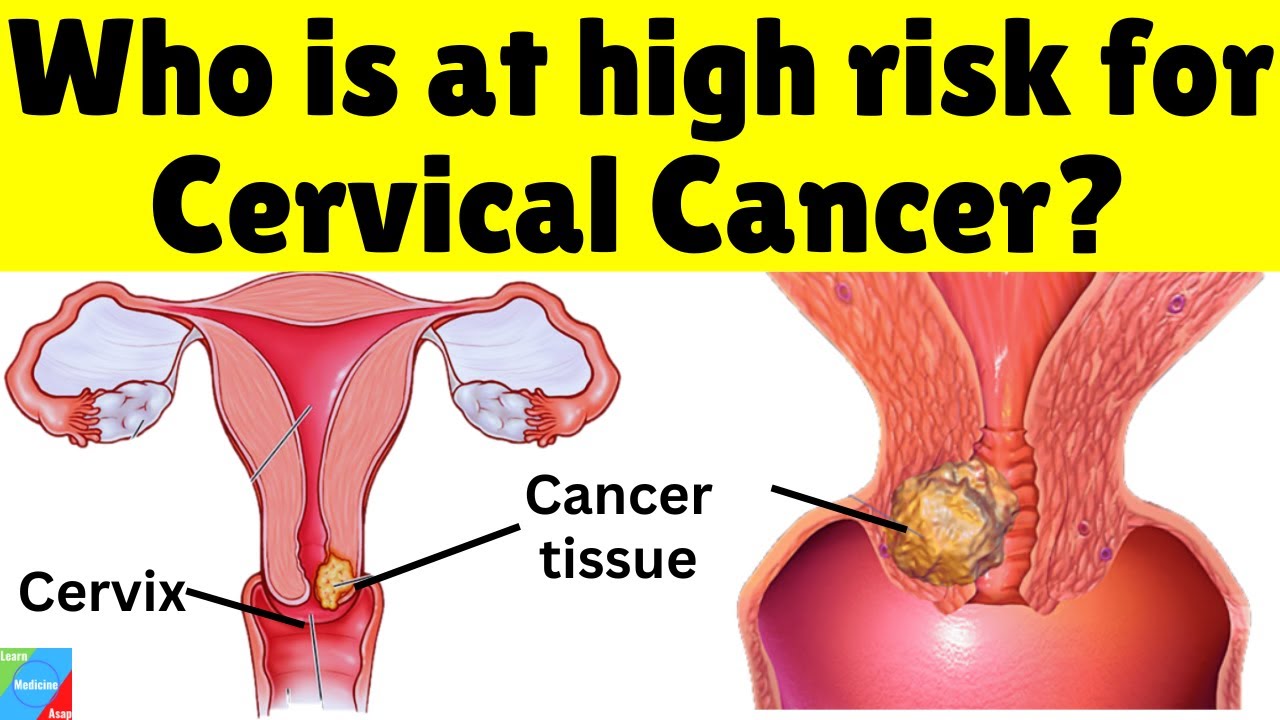
Cervical cancer remains a significant health concern for women worldwide, even those who consider themselves healthy and take regular precautions. Despite advances in screening and vaccination, many women are still diagnosed with this disease, often at later stages. Understanding why healthy women are still at risk is crucial for improving prevention, early detection, and treatment efforts. In this article, we explore the factors contributing to cervical cancer in seemingly healthy women and what steps can be taken to better protect against this potentially life-threatening illness.
She exercised. Ate clean. Never smoked. Went for checkups.
Yet she still heard the words: “You have cervical cancer.”
This isn’t rare. And it isn’t bad luck.
Healthy women are still getting cervical cancer — and here’s why.
Healthy Women Are Still Getting Cervical Cancer — Why This Feels So Unfair
We grow up believing a simple equation:
Healthy lifestyle = protection from serious disease.
But cervical cancer doesn’t follow that rule.
Every year, thousands of women who:
- Eat well
- Exercise regularly
- Have stable relationships
- Attend routine doctor visits
…are blindsided by a diagnosis they never saw coming.
The shock isn’t just medical — it’s emotional. Many women ask the same question:
“What did I do wrong?”
The answer is uncomfortable but important: often, nothing at all.2
Healthy Women Are Still Getting Cervical Cancer — The HPV Reality Most People Misunderstand
Here’s the truth most headlines skip:
Nearly all cervical cancer cases are linked to HPV, a virus so common that most sexually active people will get it at some point.
According to cancer experts, HPV can:
- Stay dormant for 10–20 years
- Cause no symptoms
- Evade the immune system even in healthy bodies
The National Cancer Institute explains this clearly in its breakdown of hidden cervical cancer causes and risk factors, noting that HPV can quietly trigger cell changes long after infection
Hidden Cervical Cancer Causes Explained
Being healthy doesn’t guarantee your immune system will clear HPV permanently.
Healthy Women Are Still Getting Cervical Cancer — Because “Feeling Fine” Isn’t the Same as Being Cancer-Free
One of the most dangerous myths surrounding cervical cancer is this:
“If something was wrong, I’d feel it.”
In reality:
- Early cervical cancer rarely causes pain
- Abnormal cells can grow silently for years
- Symptoms often appear late, when treatment is harder
That means a woman can:
- Work full time
- Raise children
- Exercise daily
…and still have precancerous changes progressing quietly.
Healthy Women Are Still Getting Cervical Cancer — When Screening Fails or Gets Skipped
Screening saves lives — but it isn’t perfect.
Why healthy women still slip through:
- Missed appointments due to busy schedules
- Normal Pap results despite underlying HPV
- Confusion over screening guidelines
- Fear or discomfort during exams
Even one delayed test can allow abnormal cells to advance.
A global health review published by the World Health Organization highlights how screening gaps and delayed follow-ups remain a major reason cervical cancer persists — even among educated, health-conscious women
[Image/GIF placeholder: Calendar with missed appointment circled]
Healthy Women Are Still Getting Cervical Cancer — The Risk Factors Nobody Warned You About
Let’s break the illusion gently but honestly.
These risks don’t “look unhealthy”:
- Long-term birth control use
- Chronic stress and poor sleep
- Past untreated infections
- Early sexual exposure (even with one partner)
- Pregnancy-related immune shifts
- Secondhand smoke exposure
None of these scream danger — yet together, they can create the perfect environment for HPV-related cell changes.
Healthy Women Are Still Getting Cervical Cancer — A Quick Comparison Table
| What Women Believe | What Actually Happens |
|---|---|
| “I eat healthy” | Nutrition doesn’t eliminate viral risk |
| “I don’t smoke” | HPV can still persist |
| “I’m monogamous” | HPV can remain from years ago |
| “My Pap was normal” | HPV may still be active |
| “I feel fine” | Early cancer is often silent |
Healthy Women Are Still Getting Cervical Cancer — Why Age Isn’t the Shield You Think
Another dangerous misconception:
“I’m too young.”
“I’m past that age.”
The truth?
- Cervical cancer increasingly affects women under 40
- Many diagnoses occur after 35, when screening becomes less frequent
- Older women may stop screening too early
Cancer doesn’t care about life stage — it cares about opportunity.
Healthy Women Are Still Getting Cervical Cancer — The Emotional Toll No One Mentions
Beyond the medical shock comes guilt.
Women often blame themselves:
- “I should have gone sooner.”
- “I should have known.”
- “I thought I was doing everything right.”
This self-blame is devastating — and misplaced.
Cervical cancer is not a moral failure.
It’s a biological process influenced by timing, access, and awareness.
Healthy Women Are Still Getting Cervical Cancer — What Actually Lowers Risk
While no method is perfect, risk can be reduced.
Evidence-based protection includes:
- HPV vaccination (even for adults)
- Regular Pap + HPV testing
- Prompt follow-up on abnormal results
- Safer sex practices
- Smoking avoidance (including secondhand exposure)
Prevention isn’t about perfection — it’s about consistency.
Healthy Women Are Still Getting Cervical Cancer — Why Awareness Is the Real Cure
The most dangerous thing about cervical cancer isn’t the disease itself.
It’s the belief that:
“It won’t happen to me.”
When healthy women understand their real risk, they:
- Screen earlier
- Ask better questions
- Advocate for follow-up care
- Catch changes before cancer develops
Knowledge doesn’t create fear — it creates power.
Healthy Women Are Still Getting Cervical Cancer — Final Thoughts
Cervical cancer doesn’t discriminate.
It doesn’t care how “good” you’ve been to your body.
What it responds to is:
- Silence
- Delay
- Missed opportunities
And those can happen to anyone.
If you take one thing from this article, let it be this:
Feeling healthy is not the same as being protected.
Call-to-Action (CTA)
Share this article — someone you love may need it today
Read more about HPV screening and prevention
Book your next screening before you scroll on