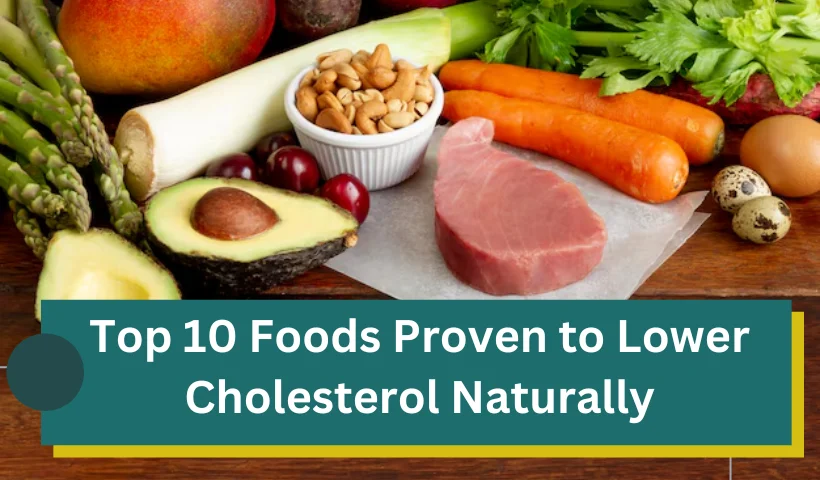
High cholesterol levels can increase the risk of heart disease and other health problems, but nature offers a delicious and effective way to help manage it. Incorporating certain fruits into your diet can naturally lower cholesterol, thanks to their rich content of fiber, antioxidants, and other heart-healthy nutrients. In this article, we’ll explore 10 powerful fruits that not only satisfy your sweet tooth but also support cardiovascular health by keeping your cholesterol levels in check.
magine a simple step you can take daily that helps protect your heart, supports better blood flow, and naturally lowers harmful cholesterol. No fad diets. No questionable supplements. Just real food. In fact, the right fruits can be a gentle yet effective way to help manage your cholesterol levels — especially when paired with a balanced diet and active lifestyle.
Let’s explore 10 fruits that naturally lower your cholesterol, why they work, and how to enjoy them as part of heart-healthy living.
Why Fruits Matter for Cholesterol
High cholesterol — particularly elevated low-density lipoprotein (LDL), or “bad cholesterol” — contributes to heart disease, artery plaque buildup, and long-term cardiovascular risk. Many fruits are rich in soluble fiber, antioxidants, polyphenols, and heart-healthy fats that help reduce LDL and support overall heart health.
How Cholesterol-Lowering Fruits Work
- Soluble Fiber binds cholesterol in the digestive tract, helping it exit the body.
- Antioxidants & Polyphenols reduce inflammation and protect against LDL oxidation.
- Healthy Fats & Plant Sterols improve lipid (fat) metabolism and may raise “good cholesterol” (HDL). (Healthline)
1. Apples – Heart-Healthy and Fiber-Rich
Apples are a classic choice for cholesterol care. Their high soluble fiber (especially pectin) binds cholesterol in your gut, helping your body remove it instead of absorbing it. Studies have shown that eating whole apples regularly is linked with measurable decreases in LDL cholesterol.
How to enjoy: Slice into salads, eat as a snack, or add to oatmeal.
2. Berries – Antioxidant Powerhouses
Strawberries, blueberries, raspberries, and blackberries are fiber-dense and packed with anthocyanins, powerful antioxidants that help protect heart cells and reduce cholesterol absorption.
How to enjoy: Stir into yogurt, blend into smoothies, or enjoy fresh.
3. Avocado – Healthy Fats for Heart Support
Avocados are rich in monounsaturated fats and plant sterols — compounds that help reduce LDL while supporting HDL (“good”) cholesterol. Their creamy texture makes them a satisfying addition to many dishes.
How to enjoy: Mash for toast, add to salads, or blend into dressings.
4. Citrus Fruits – Pectin and Vitamin C
Oranges, grapefruits, lemons, and similar citrus fruits contain soluble fiber (pectin) and vitamin C, both of which help lower cholesterol absorption and support heart health.
How to enjoy: Snack on whole fruit or squeeze fresh juice (avoid added sugar).
5. Pears – A Sweet Source of Soluble Fiber
Pears deliver plenty of soluble fiber that captures cholesterol and helps remove it from the body, plus antioxidants that protect blood vessels.
How to enjoy: Eat fresh, bake with cinnamon, or mix into fruit bowls.
6. Grapes – Resveratrol and Heart Health
Grapes contain resveratrol, an antioxidant linked with improved cholesterol levels and heart function. They’re also portable and low-effort to enjoy.
How to enjoy: Fresh, frozen, or in salads (moderation with dried versions).
7. Bananas – Fiber and Potassium Combo
Bananas offer soluble fiber and potassium, which support healthy cholesterol metabolism and help regulate blood pressure — a key factor in overall cardiovascular wellbeing.
How to enjoy: Add to smoothies, oatmeal, or enjoy as a grab-and-go snack.
8. Pomegranate – Polyphenol Power
Pomegranate seeds and juice are rich in polyphenols — plant compounds that reduce LDL oxidation and inflammation while improving artery health.
How to enjoy: Sprinkle seeds on salads or mix juice into water.
9. Kiwi – Digestive Fiber and Antioxidants
Kiwi fruit delivers a concentrated boost of soluble fiber, vitamin C, and antioxidants that all tie back into cholesterol regulation and heart protection.
How to enjoy: Eat fresh, add to fruit salads, or blend into smoothies.
10. Mango – Tropical Fiber and Nutrients
Mangoes are not just sweet — they provide fiber and antioxidants that support cholesterol metabolism and reduce inflammation.
How to enjoy: Eat diced fresh, add to salsas, or freeze for a refreshing treat.
Cholesterol-Lowering Fruits Comparison Table
The table below highlights the key nutrients and heart benefits of each fruit:
| Fruit | Main Heart Benefit | Key Nutrients | Best Way to Enjoy |
|---|---|---|---|
| Apples | Binds LDL cholesterol | Soluble fiber, pectin | Fresh snack, salads, oatmeal |
| Berries | Antioxidants & fiber | Anthocyanins, vitamin C | Smoothies, yogurt, fresh |
| Avocado | Healthy fats & plant sterols | Monounsaturated fats, fiber | Toast, salads, dips |
| Citrus | Soluble fiber & vitamin C | Pectin, flavonoids | Fresh or juice (no added sugar) |
| Pears | Soluble fiber | Pectin, antioxidants | Fresh, baked |
| Grapes | Antioxidants & resveratrol | Resveratrol, flavonoids | Fresh or frozen |
| Bananas | Fiber & potassium | Soluble fiber, potassium | Smoothies, snacks |
| Pomegranate | Polyphenols & anti-inflammatory | Polyphenols, fiber | Seeds, juice |
| Kiwi | Fiber & vitamin C | Soluble fiber, vitamin C | Fresh, fruit bowls |
| Mango | Fiber & antioxidants | Fiber, carotenoids | Fresh, smoothies |
Practical Tips to Maximize Benefits
- Aim for Variety: Mix different fruits rather than eating the same one every day; this diversifies the nutrients you get.
- Whole Fruit Over Juice: Whole fruit keeps more fiber, which is key for cholesterol control.
- Pair with Heart-Healthy Foods: Combine fruits with whole grains, legumes, and healthy fats for balanced meals.
Final Thoughts
Incorporating fruits that naturally lower cholesterol into your daily diet is a powerful and enjoyable way to support heart health. From fiber-rich apples to antioxidant-packed berries and heart-healthy avocados, these fruits offer real nutritional value backed by research.
By choosing whole fruits often and pairing them with other wholesome foods, you not only help manage cholesterol — you’re also investing in lifelong wellbeing.
Call to Action:
Found this helpful? Share now with friends and family who care about heart health — and check back for more practical wellness tips.