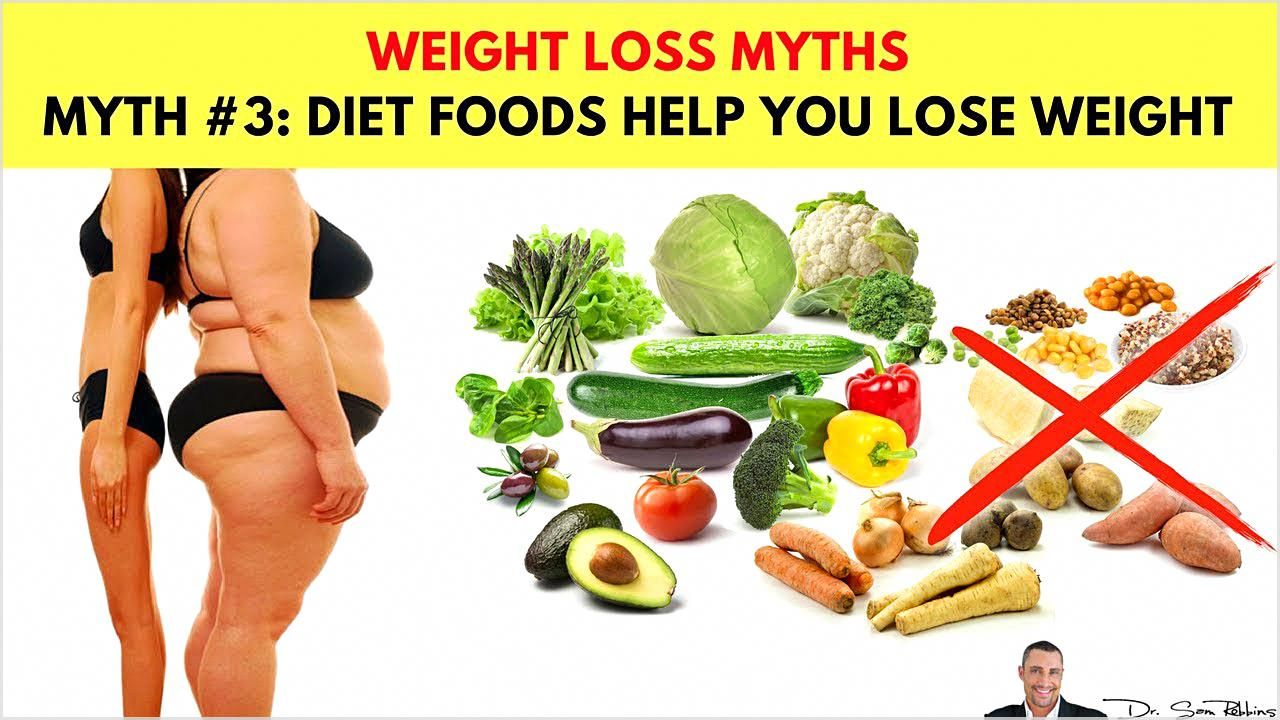
For years, countless individuals have been trapped in a cycle of dieting, exercise, and frustration, all in the name of achieving a “healthy weight.” But what if much of what we’ve been told about weight and health is not only misleading but actually harmful? The shocking truth behind the so-called “healthy weight” myth is keeping millions stuck in a never-ending struggle, preventing them from truly understanding their bodies and achieving lasting well-being. the misconceptions, explore the science, and reveal a new perspective that could change the way you think about weight and health forever.
If you’ve ever felt stuck in an endless loop of diets, exercise fads, and promises that “this time will be different,” you’re not alone. Millions chase a “healthy weight” based on beliefs that sound logical — but research shows many of these ideas are myths that actually hold people back from sustainable outcomes.
We’ve all seen the headlines promising quick fixes. But when you dig into the science, it becomes clear that the common narrative of weight loss isn’t just oversimplified — it’s often misleading. In this article, we unpack the most persistent myth about healthy weight, why it persists, and what actually works according to evidence.
Let’s get real.
The Belief That Keeps You Trapped
You’ve likely heard it before:
“If you just eat less and exercise more, you’ll reach a healthy weight.”
It feels intuitive, but it’s incomplete — and for many, it leads to frustration, burnout, and worse results than expected.
Here’s the shocking truth: this belief oversimplifies the biology of weight and ignores psychological, social, and physiological realities.
What Most People Think About Healthy Weight
When we talk about “healthy weight,” most of us assume it means a number on a scale. But weight is not just about digits. Factors like metabolism, hormones, stress, sleep, genetics, and long-term habits all influence where your body settles.
Many mainstream sources still push popular beliefs such as:
- Eating very low calories is the key to weight loss.
- Small lifestyle changes will lead to big long-term results.
- Exercise alone can override diet.
Here’s what research says about some of these beliefs:
| Common Belief | Scientific Reality |
|---|---|
| Eat less, weigh less permanently | Many regain weight over time because the body resists long-term calorie deficits. |
| Walking more means big weight loss | Small increases in activity often lead to minimal weight changes by themselves. |
| Exercise burns off overeating | Physical activity is important for health but does not negate excessive calories alone. |
These findings show that the formula people cling to doesn’t always hold up in the real world.
The Real Healthy Weight Myth
Myth: Weight Is Simply Calories In vs. Calories Out
This idea — that you can manage your weight solely by cutting calories and adding exercise — is the dominant belief in popular culture. But modern research shows that it’s overly simplistic.
When you restrict calories, your body fights back in powerful ways:
- Your metabolism slows to conserve energy.
- Hunger hormones increase.
- Your body becomes more efficient at storing energy.
This phenomenon explains why many people gain back weight after dieting. It’s not a lack of willpower — it’s biology.
This is backed by long-term studies showing that most intentional weight losses are regained within 3–5 years.
Why This Myth Persists
There are several reasons this belief lingers:
- Simplicity sells. Marketers profit from easy answers.
- Diet culture thrives. Quick-fix mentalities overshadow long-term thinking.
- Social pressure. Conversations around weight are emotional and charged.
- Cultural narratives. We’ve been taught to see weight as purely a matter of effort.
The result? People try strategy after strategy — only to feel stuck when outcomes don’t match expectations.
What Actually Works for Sustainable Healthy Weight
Evidence-based research points toward approaches that emphasize behavior, biology, and mindset over short-term fixes.
Here are strategies backed by science and experts:
1. Focus on Sustainable Habits Over Diets
Rather than jumping into fad diets, adopt small, consistent changes:
- Balanced meals with protein, fiber, and whole foods.
- Avoid extreme restrictions that are hard to maintain.
This aligns with intuitive eating principles — which encourage tuning into hunger cues and rejecting rigid diet rules.
2. Strengthen Your Relationship With Food
Instead of categorizing foods as “good” or “bad,” learn how food affects your body and mood. This builds resilience against emotional eating.
Registered dietitians emphasize that sustainable behavioral changes are more effective than short-term fixes.
3. Build Muscle for Metabolic Health
Muscle tissue burns more calories at rest than fat tissue, which gives you a metabolic advantage. Strength training and resistance exercises are critical for long-term weight balance and overall vitality.
4. Manage Stress and Sleep
Chronic stress can drive cravings and elevated cortisol levels — hormones that directly affect appetite and fat distribution. Prioritizing sleep and stress management helps regulate these systems.
5. Use Evidence-Based Tools, Not Quick Fixes
Be wary of “magic” solutions (detoxes, pills, or single foods). They lack credible scientific backing and often lead to disappointment. Researchers stress the importance of balanced eating rather than miracle foods.
Why You’re Not Alone in Feeling Stuck
The reason so many people feel trapped isn’t a lack of effort — it’s that most guidance is shaped by myths, not science.
Most of the mainstream narrative about healthy weight doesn’t fully account for:
- How metabolism actually adapts
- The emotional impact of dieting
- The role of behavioral habits in long-term success
This leads to frustration, self-blame, and cycles of repeated attempts with little lasting success.
The Truth You Can Take Control Of
Here’s the bottom line:
- There is no single magic method for maintaining healthy weight.
- Sustainable results come from consistent lifestyle changes, not quick fixes.
- The goal should be health first, not just a number on a scale.
Once you shift your focus from temporary weight loss to long-term well-being, the stress around numbers fades — and you unlock what actually works.. Verywell Health
Call-to-Action
If you found this article helpful, share it with someone who’s been stuck in the diet cycle. And if you’re eager to learn more evidence-based approaches to real health, keep reading our next post: