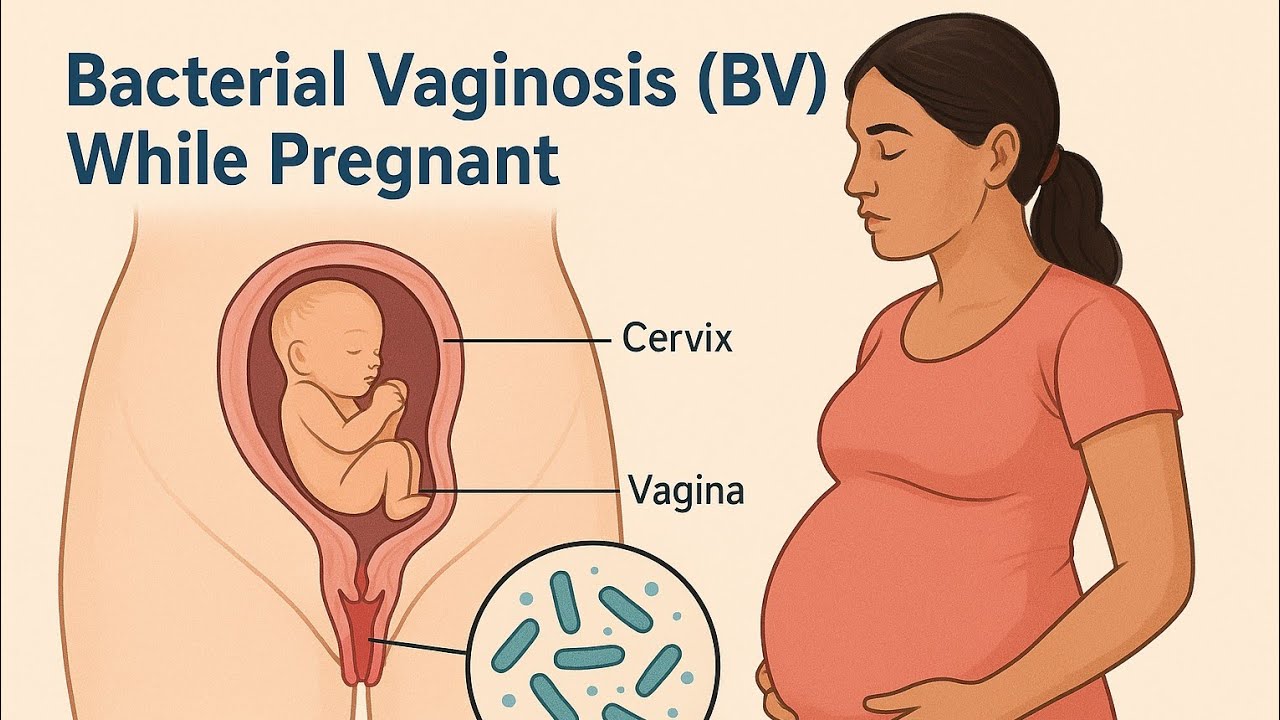
Bacterial vaginosis (BV) is a common vaginal infection that often goes unnoticed, especially during pregnancy. While it may seem harmless, BV can pose serious risks to both the mother and the developing baby if left untreated. Understanding the symptoms, causes, and potential complications of bacterial vaginosis during pregnancy is crucial for ensuring a healthy pregnancy and protecting your baby from potential harm. In this article, we will explore the silent risks associated with BV and what steps expectant mothers can take to safeguard their health and that of their little one
You can do everything “right” during pregnancy and still miss one silent threat that doctors don’t always talk about.
Bacterial vaginosis during pregnancy often causes little to no discomfort — yet its impact on your baby can begin long before symptoms appear.
Why Bacterial Vaginosis During Pregnancy Deserves More Attention
Pregnancy changes everything — your hormones, your immune system, and even the delicate balance of bacteria that protects your vaginal health. For many women, these changes quietly open the door to bacterial vaginosis during pregnancy, a condition that is far more common than most expectant mothers realize.
Bacterial vaginosis, often called BV, occurs when healthy vaginal bacteria are replaced by harmful strains. While BV is uncomfortable at any time, its presence during pregnancy carries unique risks, including complications that may affect both mother and baby.
What makes BV particularly dangerous in pregnancy is not just what it does — but how easily it goes unnoticed.
H2: Bacterial Vaginosis During Pregnancy and Why It’s Often Missed
Bacterial vaginosis during pregnancy is frequently underdiagnosed because:
- Symptoms may be mild or absent
- Discharge changes can be mistaken for normal pregnancy changes
- Many women assume discomfort is “just part of being pregnant”
Yet research confirms that BV during pregnancy is associated with serious obstetric outcomes, including preterm labor and low birth weight.
According to the Centers for Disease Control and Prevention, BV is the most common vaginal infection in women of reproductive age, and pregnant women are no exception. Their guidance on bacterial vaginosis during pregnancy risks highlights why early detection matters
https://www.cdc.gov/bacterial-vaginosis/hidden-pregnancy-risk
H2: Bacterial Vaginosis During Pregnancy Symptoms You Should Never Ignore
Not all women experience obvious symptoms, but when they appear, they may include:
- Thin gray or white vaginal discharge
- A strong fish-like odor, especially after intercourse
- Mild itching or irritation
- Burning during urination
The problem is that pregnancy itself can cause increased discharge, making bacterial vaginosis during pregnancy symptoms easier to dismiss.
Why silence is dangerous
When BV goes untreated, harmful bacteria can ascend into the uterus, triggering inflammation that affects the membranes surrounding the baby.
H2: How Bacterial Vaginosis During Pregnancy Can Affect Your Baby
This is where the conversation becomes uncomfortable — but necessary.
Medical studies have linked bacterial vaginosis during pregnancy to:
- Preterm birth
- Premature rupture of membranes
- Low birth weight
- Postpartum infections
The National Institutes of Health explains that BV-related inflammation can activate immune responses that increase the risk of early labor. Their research on pregnancy infection complications sheds light on why BV deserves early attention
H2: Bacterial Vaginosis During Pregnancy vs Normal Vaginal Changes
To make things clearer, here’s a simple comparison:
| Factor | Normal Pregnancy Changes | Bacterial Vaginosis During Pregnancy |
|---|---|---|
| Discharge | Clear or milky, odorless | Thin gray/white with odor |
| Odor | Mild or none | Strong, fish-like |
| Itching | Rare | Possible |
| Risk to baby | None | Increased risk of preterm birth |
| Requires treatment | No | Yes |
This table highlights why BV during pregnancy should never be ignored, even if symptoms seem minor.
H2: Why Pregnancy Increases the Risk of Bacterial Vaginosis
Pregnancy creates the perfect storm for BV development due to:
- Hormonal shifts altering vaginal pH
- Temporary immune suppression
- Increased vaginal moisture
- Changes in sexual activity
These changes reduce protective Lactobacillus bacteria, allowing harmful microbes to multiply.
In short, pregnancy doesn’t cause BV — but it can make it easier for BV to take hold.
H2: Bacterial Vaginosis During Pregnancy Treatment Options
Treatment during pregnancy must be approached carefully.
Doctors typically prescribe pregnancy-safe antibiotics, such as:
- Metronidazole
- Clindamycin
These medications are considered safe when used under medical supervision and can significantly reduce complications when BV is diagnosed early.
Important reminder
Self-treatment or ignoring symptoms can do more harm than good. BV during pregnancy should always be managed by a healthcare provider.
H2: Can Bacterial Vaginosis During Pregnancy Be Prevented?
While not all cases are preventable, risk can be reduced through simple habits:
- Avoid douching or scented vaginal products
- Practice safe sex
- Wear breathable cotton underwear
- Attend all prenatal appointments
- Report unusual discharge or odor promptly
Prevention is less about perfection and more about awareness and early action.
H2: Emotional Impact of Bacterial Vaginosis During Pregnancy
Beyond physical risks, BV during pregnancy can create emotional stress:
- Fear of harming the baby
- Anxiety around intimacy
- Guilt for “missing” symptoms
It is essential to remember: BV is not a reflection of hygiene or personal failure. It is a medical condition — and one that deserves compassionate care.
Conclusion: Awareness Is Protection
Bacterial vaginosis during pregnancy is often silent, but its consequences can be loud and lasting if left unaddressed.
The most powerful protection is not fear — it is knowledge. Understanding the signs, risks, and treatment options empowers you to act early and safeguard both your health and your baby’s future.
If you are pregnant and something feels “off,” trust your instincts and speak up. Silence is what BV relies on most.
Call to Action
If this article helped you understand the hidden risks of bacterial vaginosis during pregnancy, share it with another expecting mother.
Read more, stay informed, and protect what matters most.