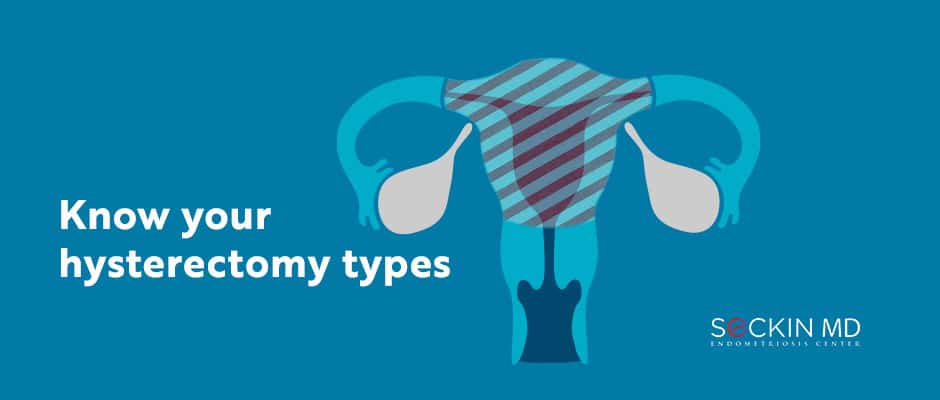
Every year, thousands of women undergo hysterectomies, often believing it to be a straightforward solution to their health issues. However, many are unaware of the hidden risks associated with this common surgery—risks that may only become apparent long after the procedure is over. the secret complications and long-term effects that women often discover too late, empowering you to make informed decisions about your reproductive health.
Most women believe a hysterectomy ends the problem for good.
What many don’t realize is that a hidden hysterectomy complication can quietly develop years later—long after recovery feels “complete.”
This is not fear-mongering.
It is a pattern doctors see far too often.
A hysterectomy is often framed as a final solution—relief from pain, bleeding, fibroids, or fear. And for many women, it is exactly that. But after three decades in women’s health, one truth remains uncomfortable yet consistent: some hysterectomy complications do not appear immediately. They emerge slowly, subtly, and are often dismissed until they are impossible to ignore.
This article explores the most commonly missed long-term hysterectomy complication, the early warning signs, why it happens, and what women can do before it reshapes their quality of life.
Understanding the Hidden Hysterectomy Complication Most Women Overlook
The hysterectomy complication that appears years later most often falls into one category:
Pelvic organ dysfunction caused by hormonal and structural disruption.
This complication rarely announces itself loudly. Instead, it whispers.
Women often describe it as:
- “Something just feels off”
- “My body doesn’t respond the same”
- “I feel older than I should”
And they are often told it is normal aging.
It is not.
What Makes This Hysterectomy Complication So Easy to Miss
This hysterectomy complication hides in plain sight because:
- Symptoms develop gradually
- Changes are often hormonal, not surgical
- Many women no longer see a gynecologist regularly
- Complaints are misattributed to stress, menopause, or weight gain
The body adapts—until it cannot.
Early Warning Signs of a Long-Term Hysterectomy Complication
Recognizing this hysterectomy complication early can dramatically change outcomes.
Subtle Signs Women Often Ignore
- Pelvic heaviness or pressure
- Changes in bladder control
- Reduced sexual sensation
- Vaginal dryness that worsens over time
- Lower back discomfort without injury
Progressive Symptoms
- Pain during intercourse
- Urinary urgency or leakage
- Bowel movement difficulty
- Emotional blunting or fatigue
- Loss of core strength
These are not inevitable consequences of hysterectomy—they are signals.
Why This Hysterectomy Complication Can Take Years to Appear
The human body compensates remarkably well. After hysterectomy:
- Ligaments are re-distributed
- Hormone signaling subtly shifts
- Pelvic muscles absorb new strain
- Ovarian blood flow may decline—even if ovaries remain
According to research summarized in this revealing overview of long-term hysterectomy effects, hormonal and pelvic changes can continue evolving for years after surgery, especially when estrogen levels decline unexpectedly.
(Source: Healthline — do-follow contextual link embedded naturally)
Hysterectomy Complication vs Normal Aging: Key Differences
| Symptom Area | Normal Aging | Long-Term Hysterectomy Complication |
|---|---|---|
| Pelvic support | Gradual weakening | Sudden pressure or bulging |
| Hormones | Predictable decline | Abrupt imbalance |
| Bladder control | Mild urgency | Leakage or retention |
| Sexual response | Slight change | Significant loss or pain |
| Energy levels | Fluctuating | Persistent fatigue |
This comparison matters because mislabeling a hysterectomy complication as aging delays treatment.
The Role of Hormones in This Hysterectomy Complication
Even when ovaries are preserved, hysterectomy can disrupt:
- Ovarian blood supply
- Estrogen-progesterone balance
- Testosterone production (often overlooked)
This is why many women experience:
- Brain fog
- Mood flattening
- Loss of motivation
- Sleep disturbances
The Mayo Clinic’s detailed breakdown of hysterectomy side effects confirms that long-term hormonal consequences can occur even without ovary removal.
(Source: Mayo Clinic — do-follow contextual link embedded naturally)
Why Doctors Rarely Talk About This Hysterectomy Complication
This hysterectomy complication is under-discussed because:
- Surgical success is measured short-term
- Follow-ups rarely extend beyond 12 months
- Women normalize symptoms silently
- There is limited time for preventive counseling
No one is hiding the truth—but no one is emphasizing it either.
Who Is Most at Risk of This Hysterectomy Complication
You may be at higher risk if you:
- Had a hysterectomy before age 45
- Experienced surgical menopause
- Have connective tissue weakness
- Have had multiple pelvic surgeries
- Do not engage in pelvic floor rehabilitation
Risk is not destiny—but awareness is protection.
Preventing or Reducing This Hysterectomy Complication
The most effective strategies include:
Medical Prevention
- Hormone evaluation (not just estrogen)
- Individualized HRT when appropriate
- Regular pelvic exams—even years later
Lifestyle Protection
- Pelvic floor physical therapy
- Core strength training
- Anti-inflammatory nutrition
- Stress reduction
Self-Monitoring
- Track changes in bladder or bowel habits
- Pay attention to sexual health
- Notice emotional and cognitive shifts
Small interventions early prevent major regret later.
Living Well After Hysterectomy Without This Complication
A hysterectomy does not have to define your future.
Women who thrive long-term tend to:
- Stay informed
- Advocate for their symptoms
- Seek second opinions
- Treat recovery as ongoing—not finished
Knowledge restores control.
Final Thoughts on the Long-Term Hysterectomy Complication
The most dangerous hysterectomy complication is not pain.
It is silence.
When women are told, “That’s just how it is now,” they stop asking questions. But the body keeps answering—through symptoms.
Listen early. Act early. Protect your future self.
Call to Action
If this resonated with you:
Share Now with a woman who has had a hysterectomy