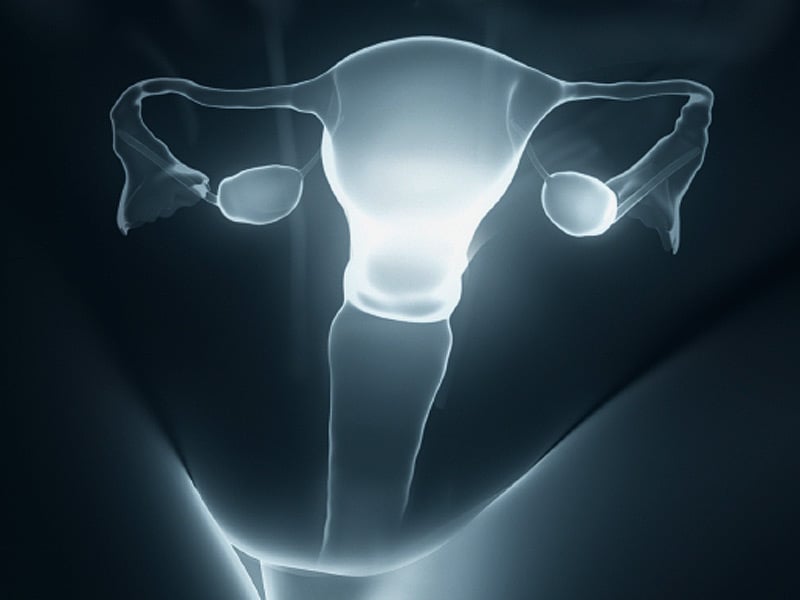
Deciding whether to have your ovaries removed or preserved during a hysterectomy is a complex and deeply personal choice. This decision carries significant implications for your long-term health, hormonal balance, and risk of certain diseases. Understanding the benefits and risks associated with each option can help you and your healthcare provider make an informed decision that aligns with your individual needs and medical history. the factors to consider when facing this important surgical decision.
One decision made during a hysterectomy can quietly shape the rest of your life.
Yet most women don’t realize how removing or preserving the ovaries can affect their health decades later.
A hysterectomy is often presented as a necessary ending — the final step toward relief. But hidden inside that surgery is a choice that deserves far more attention than it usually gets: ovaries removed or preserved.
For many women, this decision is made quickly, sometimes under stress, sometimes without a full explanation. And yet, it can influence everything from heart health to bone strength, mood, memory, sexuality, and longevity.
This article walks through what really happens when ovaries are removed versus preserved, who benefits from each option, and how to make a decision that protects your future health — not just your immediate comfort.
Ovaries Removed or Preserved: Why This Hysterectomy Decision Matters So Much
The ovaries are not just reproductive organs.
They are lifelong hormone regulators.
Even after menopause, ovaries continue to produce:
- Small but critical amounts of estrogen
- Testosterone (essential for energy and libido)
- Androgens that support bones, brain, and muscles
Removing them changes the body’s internal chemistry almost instantly.
Preserving them allows hormonal signaling to decline naturally.
That difference matters — profoundly.
Ovaries Removed or Preserved: What Happens When Ovaries Are Removed
Removing the ovaries during hysterectomy is called bilateral oophorectomy.
It is sometimes medically necessary — but not always.
Immediate Effects When Ovaries Are Removed
- Sudden hormone drop (surgical menopause)
- Hot flashes and night sweats
- Sleep disruption
- Mood changes
Long-Term Effects Linked to Ovary Removal
- Increased risk of heart disease
- Higher likelihood of osteoporosis
- Cognitive decline risk
- Reduced sexual desire and arousal
- Earlier aging of skin and connective tissue
According to powerful long-term health risk data on ovary removal, women who undergo ovary removal before natural menopause may face increased cardiovascular and bone risks if not carefully managed
(Source: Mayo Clinic — do-follow link embedded contextually: https://www.mayoclinic.org/diseases-conditions/hysterectomy/in-depth/hysterectomy-risks/art-20047265)
Ovaries Removed or Preserved: What Happens When Ovaries Are Preserved
When ovaries are preserved, the uterus is removed but the ovaries continue functioning.
Benefits of Preserving Ovaries
- Natural hormone decline
- Lower heart disease risk
- Better bone density over time
- Improved sexual health outcomes
- More stable mood and cognition
Even post-menopause, ovaries still contribute protective hormones.
This is why ovary preservation is increasingly recommended for women without high cancer risk.
Ovaries Removed or Preserved: The Cancer Fear That Drives Many Decisions
One of the biggest reasons women agree to ovary removal is fear of ovarian cancer.
That fear is understandable — but context matters.
Important Facts Often Missed
- Lifetime ovarian cancer risk for most women is relatively low
- Ovary removal does reduce ovarian cancer risk
- But it may increase risks of other serious diseases
A clear, evidence-based breakdown of ovarian cancer facts and risk factors shows that ovary removal is most beneficial for women with genetic risk (such as BRCA mutations), not the general population
(Source: National Cancer Institute — do-follow link embedded contextually:
Ovaries Removed or Preserved: Side-by-Side Comparison
| Health Factor | Ovaries Removed | Ovaries Preserved |
|---|---|---|
| Hormones | Sudden loss | Gradual decline |
| Menopause | Immediate | Natural timing |
| Heart health | Higher risk | Lower risk |
| Bone density | Faster loss | Better preservation |
| Sexual health | Often reduced | Better maintained |
| Cognitive health | Increased risk | More stable |
This table alone explains why the decision deserves time and discussion.
Ovaries Removed or Preserved: Who Should Consider Removal
Ovary removal may be the safer option if you:
- Carry BRCA1 or BRCA2 mutations
- Have a strong family history of ovarian or breast cancer
- Have existing ovarian disease
- Are already post-menopausal with high cancer risk
In these cases, removal may outweigh long-term risks.
Ovaries Removed or Preserved: Who Benefits Most From Preservation
Ovary preservation is often beneficial if you:
- Are under age 50
- Do not carry high-risk cancer genes
- Have no ovarian disease
- Value long-term heart, bone, and brain health
This is especially true for women under 45.
Ovaries Removed or Preserved: Questions Every Woman Should Ask
Before surgery, ask:
- What is my personal cancer risk?
- What happens hormonally if my ovaries are removed?
- What monitoring or therapy would I need afterward?
- Is ovary preservation medically safe for me?
Informed consent is not just a signature — it is understanding.
Ovaries Removed or Preserved: Life After the Decision
No matter which path you choose, long-term health planning matters.
After Ovary Removal
- Hormone therapy evaluation
- Bone density monitoring
- Cardiovascular screening
- Mental health support
After Ovary Preservation
- Continued gynecologic follow-up
- Hormonal symptom tracking
- Lifestyle strategies for healthy aging
The decision does not end at surgery — it begins there.
Final Thoughts: Ovaries Removed or Preserved Is a Future-Defining Choice
The most powerful medical decisions are not always the most dramatic ones.
Sometimes, they are quiet choices made in operating rooms — with lifelong consequences.
Whether ovaries are removed or preserved during hysterectomy should never be an afterthought.
It is a decision about how you will live, not just how you will heal.
Call to Action
Share Now with a woman considering hysterectomy
Read More about long-term women’s health
Next Page to learn what doctors rarely explain before surgery