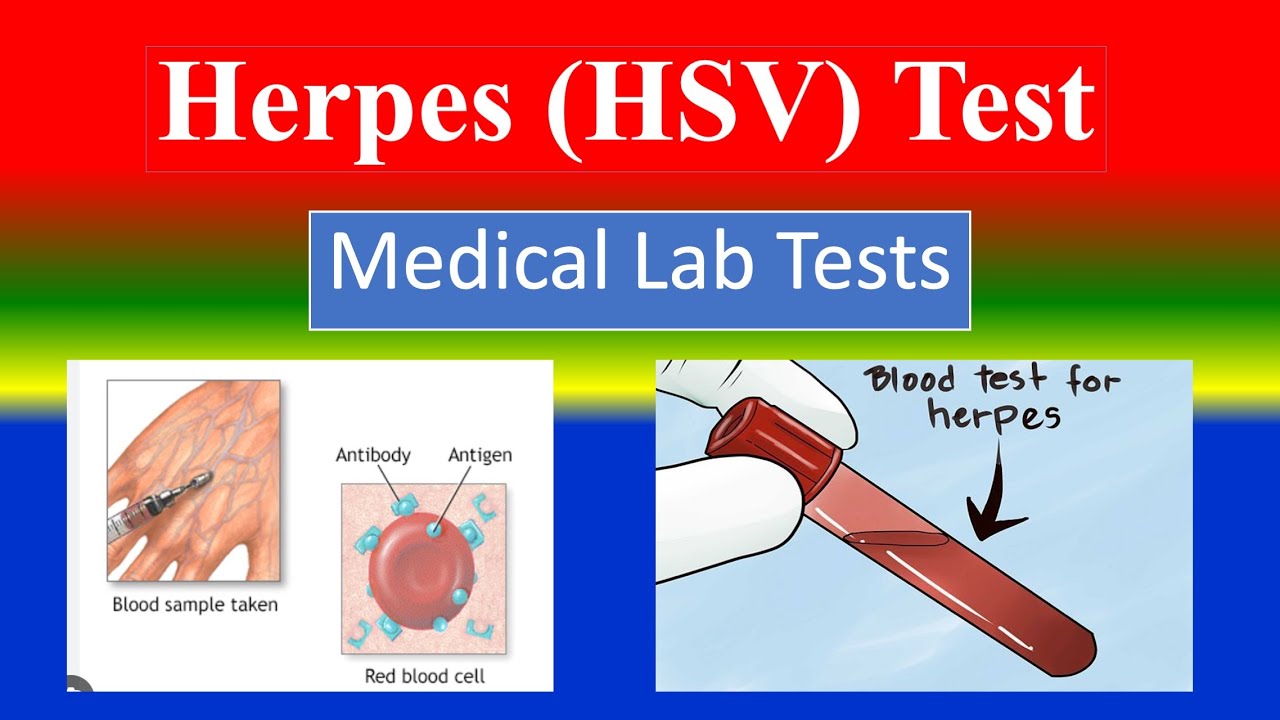
When it comes to diagnosing herpes, many people rely on blood tests to provide clear answers. However, the accuracy of herpes blood tests can sometimes be misleading, leading to confusion and unnecessary anxiety. In this article, we will uncover the truth about herpes blood test accuracy and explore more reliable alternatives to help you understand your health better.
What Your Herpes Test Isn’t Telling You
Herpes blood tests are supposed to offer clarity — but what if they’re misleading thousands of people? You might think a “positive” or “negative” result is definitive. In reality, Herpes Blood Test Accuracy is a far more complex issue than most people realize.
you’ll learn why false results happen, how they impact your health decisions, and what testing options genuinely help you get the truth. Let’s cut through the confusion.
Why Herpes Blood Tests Can Be Misleading
When people think of a blood test, they assume it’s accurate and definitive. But that’s not always true, especially with herpes. Most standard herpes blood tests look for antibodies — proteins your immune system makes after exposure to HSV (herpes simplex virus). However:
- Antibodies take time to develop.
- Tests vary in how well they detect the right antibodies.
- Some tests mistake other viruses for herpes.
- Many results fall in a gray zone.
According to official guidelines from the Centers for Disease Control and Prevention (CDC), standard antibody tests may produce false positives or false negatives, especially if performed too soon after exposure or in people at low risk of infection. CDC Herpes Testing Information
And the U.S. Food and Drug Administration (FDA) has issued warnings that HSV-2 tests — the ones used to detect genital herpes — can produce false reactive results, particularly in samples with low antibody levels.
Understanding the Two Major Kinds of Herpes Blood Tests
Before we go deeper into why tests go wrong, it helps to know what types of blood tests are out there:
| Test Type | What It Detects | Common Issues |
|---|---|---|
| IgG Antibody Test | Past exposure to HSV-1 or HSV-2 | May miss recent infections; cross-reactivity with other viruses |
| IgM Antibody Test | Early immune response | Not recommended — poor specificity and high false results |
| Western Blot (Confirmatory) | Broad antibody profile | Most accurate but often unavailable |
| PCR (DNA Test) | Detects active virus DNA | Best used on sores, not in blood for genital herpes |
This table simplifies how each test functions and why accuracy varies. Commercial antibody tests are widely used because they are cheap and accessible — but they aren’t always reliable without confirmation.
The Main Reasons Herpes Blood Tests Produce False Results
1. Timing Matters — The Antibody “Window Period”
After exposure, your body doesn’t produce antibodies immediately. Most IgG blood tests require at least 12 weeks before they are accurate — sooner than that, and you could get a false negative. (CDC)
That’s a huge deal, because many people get tested weeks after a risk event thinking they’ll get an accurate result — only to be misled.
2. False Positives Happen More Often Than You Think
A false positive result tells you that you have herpes when you actually don’t. This can happen when:
- Antibodies from HSV-1 (often cold sores) cross-react in a test meant for HSV-2.
- Your index value — the number used to interpret results — falls in a low-positive range.
- You are at low risk for infection, making a positive result statistically more likely to be incorrect.
Many tests misunderstand or misinterpret these low-positive values.
3. Not All Antibody Tests Are Equal
Different labs and commercial kits vary in sensitivity and specificity — two statistical measures of test performance:
- Sensitivity measures how often a test correctly identifies infected people.
- Specificity measures how often it correctly identifies uninfected people.
In one CDC review, certain enzyme immunoassay kits showed poor specificity at low antibody levels, leading to false positives unless results were confirmed with another method. (CDC)
False Negatives: The Hidden Problem Most People Ignore
Ironically, missing a herpes infection can be just as problematic as a false positive. A false negative result tells you that you do not have herpes when you actually do — often because the test was taken too early, or your body hasn’t produced enough antibodies yet.
This is especially common in:
- The early weeks after exposure
- People with mild or no symptoms
- Routine screenings not targeted for herpes
In one study, commercial antibody tests missed up to 30% of HSV-1 and a significant portion of HSV-2 infections confirmed by more advanced methods.
How Cross-Reactivity Throws Off Blood Tests
Antibodies are specific, but not perfect. Sometimes they mistake similar viruses for each other. For example:
- HSV-1 antibodies may react in HSV-2 tests.
- Other herpes family viruses (like chickenpox) can confuse the assay.
This “cross-reactivity” increases the chance of mislabeling someone’s infection status.
So What Should You Do Instead?
If you or someone you care about has tested for herpes, here’s a practical action plan:
1. Don’t Rely on a Single Test Result
A single IgG result, especially if low-positive, isn’t definitive.
2. Wait and Retest
If you were tested soon after possible exposure, repeat testing at 12 to 16 weeks for better accuracy.
3. Ask for Confirmatory Testing
Tests like Western Blot or Biokit — though harder to find and often more expensive — significantly improve reliability.
4. Consider PCR When Appropriate
If you have an active sore or blister, a PCR swab can directly detect HSV DNA and give a clearer diagnosis.
5. Talk to Your Clinician
Discuss your sexual history, symptoms, and testing options with a healthcare professional who understands the limits of herpes testing.
Common Misconceptions About Herpes Testing
Let’s break down a few myths that often send people into unnecessary panic:
Myth #1:
“A negative test means I definitely don’t have herpes.”
Reality: False negatives are possible — especially when testing too early or using a single antibody test.
Myth #2:
“Positive means I’ll have outbreaks constantly.”
Reality: A positive antibody test means exposure — it does not predict symptom frequency or severity.
Myth #3:
“All blood tests are equally reliable.”
Reality: Test type, lab quality, and timing all influence accuracy.
Why This Matters for You
Herpes isn’t just a lab number. Misleading test results can cause:
- Emotional distress and anxiety
- Relationship strain
- Unnecessary medical costs
- Misguided decisions about sexual health
Understanding Herpes Blood Test Accuracy helps you avoid these pitfalls and take informed control of your health.
Conclusion — Get the Truth, Not Just a Number
The bottom line: Herpes blood tests are not infallible. False positives and false negatives happen more often than most people realize, and without proper interpretation, a result can do more harm than good.
But armed with the right information — and better testing strategies — you can make confident decisions for your health, your relationships, and your peace of mind.
Read more from trusted medical sources if you’re unsure, and always consult a provider who values accuracy over assumption.
Call to Action
If you found this helpful, share this post to help others avoid misleading herpes test results. Want more in-depth guides on navigating STI testing and prevention? Subscribe to the newsletter for weekly expert insights.