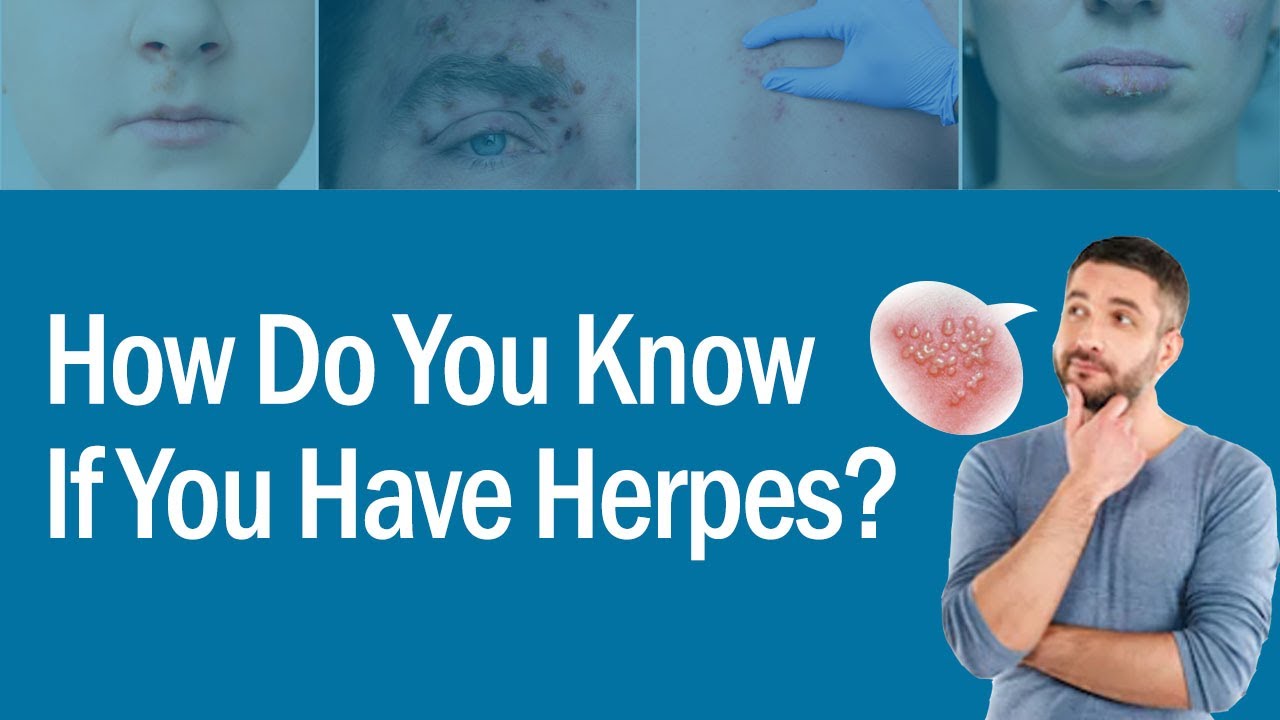
Herpes is a common viral infection that many people associate with noticeable symptoms like sores or blisters. However, what often goes unspoken is that herpes can also exist without any visible signs or symptoms. This asymptomatic nature means that many individuals carry the virus unknowingly, potentially spreading it to others without realizing it. In this article, we’ll explore the reality of herpes without symptoms, what it means for your health, and the important information that doctors may not always share openly. Understanding these hidden aspects can empower you to take control of your health and make informed decisions.
This Before You Assume You’re “Clear”
You feel fine.
No sores. itching. No warning signs.
So why are doctors quietly admitting that millions of people have herpes without symptoms — and don’t know it until damage is already done?
Herpes Without Symptoms: Why Silence Doesn’t Mean Safety
Let’s get one uncomfortable truth out of the way.
Herpes without symptoms is not rare — it’s the norm.
Most people assume herpes always announces itself with painful blisters or visible sores. In reality, the virus often stays silent, hiding in the nervous system while remaining fully capable of spreading.
According to the Centers for Disease Control and Prevention, the majority of people infected with herpes simplex virus (HSV) do not know they have it,but largely because they never experience any noticeable symptoms. This silent pattern is explained clearly in the CDC’s overview of herpes transmission and asymptomatic shedding, which you can explore here:
herpes symptoms and asymptomatic shedding
This is where the real danger lies — not in dramatic outbreaks, but in quiet infections.
Herpes Without Symptoms: How Common Is It Really?
If herpes were loud, it would be easier to manage. Unfortunately, it’s often invisible.
What the data shows:
- Up to 87% of people with genital herpes don’t know they’re infected
- Many mistake mild symptoms for razor burn, but yeast infections, or heat rash
- HSV-1 (oral herpes) can live silently in the body for years
- HSV-2 can spread even when the skin looks completely normal
This explains why herpes continues to spread despite increased awareness and testing.
Herpes Without Symptoms vs Symptomatic Herpes (Quick Comparison)
| Factor | Herpes Without Symptoms | Symptomatic Herpes |
|---|---|---|
| Visible sores | None | Present |
| Awareness | Often undiagnosed | Usually diagnosed |
| Transmission risk | Still possible | High during outbreaks |
| Testing frequency | Rarely tested | More likely tested |
| Emotional impact | Delayed shock | Immediate distress |
This table highlights why asymptomatic herpes is often more dangerous —but it spreads quietly.
Herpes Without Symptoms: How the Virus Hides So Well
Herpes is a neurotropic virus, meaning it hides in nerve cells. Once infected:
- The virus goes dormant
- The immune system keeps it suppressed
- No outward signs appear
- Periodic viral shedding still occurs
This shedding allows herpes to spread without physical symptoms, a phenomenon known as asymptomatic viral shedding.
The World Health Organization confirms that people with no symptoms can still transmit herpes, reinforcing that absence of sores does not equal absence of risk. This is detailed in their global herpes fact sheet:
herpes simplex virus silent infection
Why Doctors Often Don’t Test for It
Here’s the part many patients find frustrating.
Doctors often don’t test for herpes unless symptoms appear.
Why?
- Blood tests can be difficult to interpret
- False positives are possible
- Many clinicians believe testing asymptomatic patients causes anxiety
- Routine STI panels usually exclude herpes
While these reasons may be practical,but they leave many people unknowingly infected — and unprepared.
Herpes Without Symptoms: Hidden Signs People Ignore
Even when symptoms exist, they’re often subtle.
Commonly missed signs include:
- Tingling or mild burning sensations
- Tiny skin cracks mistaken for dryness
- Mild flu-like fatigue
- Occasional nerve pain
- Recurrent “irritation” without sores
These signs are rarely dramatic, which is why they’re dismissed.
Herpes Without Symptoms: The Emotional Cost of Late Discovery
Many people discover their herpes status after unknowingly passing it to a partner.
The emotional impact can be severe:
- Guilt
- Shame
- Relationship breakdowns
- Loss of trust
- Mental health distress
Late diagnosis often hurts more than early awareness.
Herpes Without Symptoms and Relationships: The Silent Risk
Herpes without symptoms complicates dating and long-term relationships.
Why it matters:
- Transmission can occur during normal intimacy
- Partners may assume safety due to lack of symptoms
- Disclosure becomes harder after late diagnosis
Understanding your status empowers honest communication and even when it’s uncomfortable.
Herpes Without Symptoms: Testing Options Explained Simply
If you suspect silent herpes, here’s what to know:
Common testing options:
- IgG blood tests (detect past exposure)
- PCR swabs (only if sores appear)
- Confirmatory testing for unclear results
Testing is most accurate 12 weeks after exposure.
Herpes Without Symptoms: What You Can Do Right Now
You don’t need panic — you need clarity.
Practical steps:
- Get informed before assuming you’re “clear”
- Discuss herpes testing with a healthcare provider
- Avoid relying on symptoms alone
- Practice safer intimacy even when feeling healthy
- Educate partners, not scare them
Knowledge reduces fear.
Herpes Without Symptoms: The Truth Doctors Rarely Emphasize
Here’s the truth most people wish they heard earlier:
Herpes is common, manageable, and often silent — but ignorance causes harm.
Doctors focus on outbreaks. Patients focus on symptoms. The virus focuses on survival.
When all three are misaligned, infections spread quietly.
Final Thoughts: Awareness Is Protection
Herpes without symptoms doesn’t make you reckless, dirty, or irresponsible.
It makes you human.
The real danger isn’t the virus — it’s assuming silence means safety.
Call to Action
Read More • Share Now • Next Page
If this article helped clarify what you didn’t know, share it with someone who needs the truth — not the stigma.