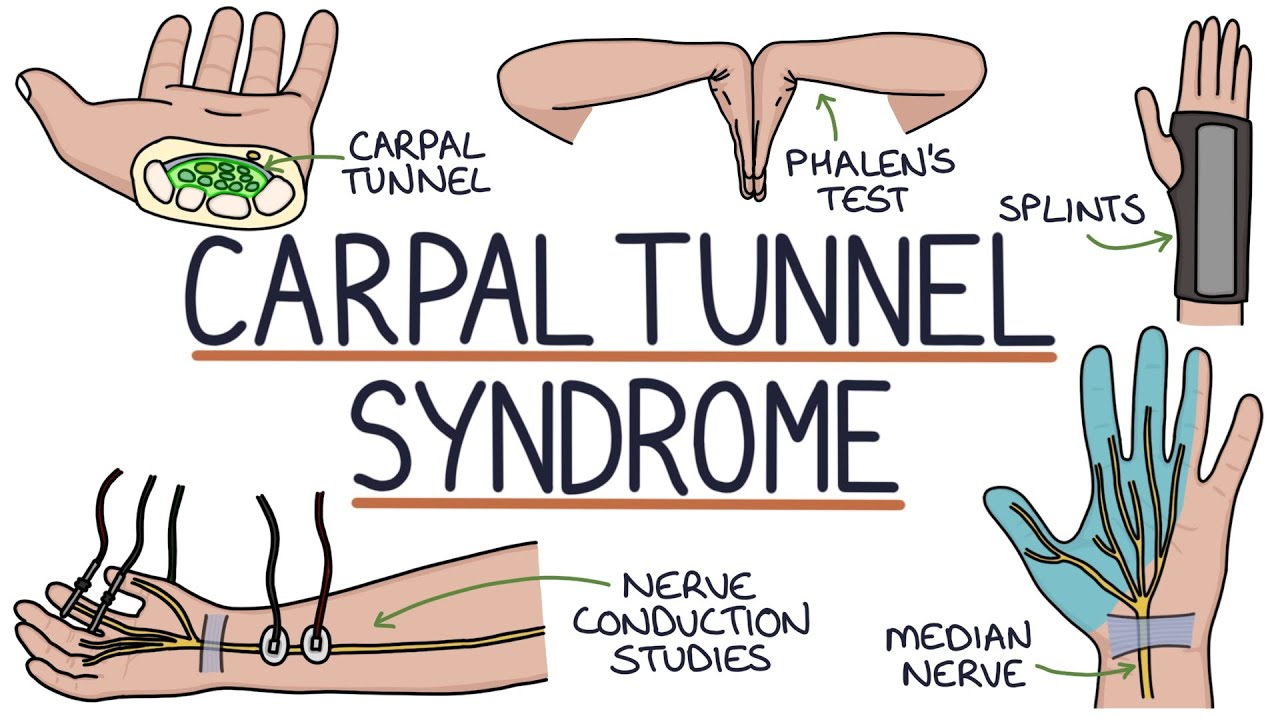
Carpal Tunnel Syndrome (CTS) is a common condition that affects the hand and wrist, causing pain, numbness, and tingling. While many people find relief through non-surgical treatments, there are certain warning signs that indicate the condition is worsening and may require surgical intervention. Recognizing these symptoms early can help prevent permanent nerve damage and improve your chances of a successful recovery. In this article, we will explore the key warning signs of Carpal Tunnel Syndrome that often lead to surgery.
It usually starts quietly.
A little tingling. A stiff wrist. Fingers that feel “off” in the morning.
Most people brush it aside.
And that’s exactly how carpal tunnel syndrome warning signs turn into a surgical problem no one saw coming.
Why Carpal Tunnel Syndrome Warning Signs Are So Easy to Miss
Carpal tunnel syndrome doesn’t announce itself loudly at first.
It creeps in while you’re working, typing, caregiving, or sleeping.
Doctors often see patients after months or years of symptoms, when conservative treatment no longer works and surgery becomes the only viable option.
The issue isn’t negligence — it’s that early carpal tunnel syndrome warning signs often look harmless.
But they’re not.
What Actually Happens Inside the Wrist
To understand why these warning signs matter, you need to know what’s going on beneath the skin.
Inside your wrist is a narrow passage called the carpal tunnel. Through it runs the median nerve, responsible for sensation and movement in your thumb and first three fingers.
When swelling or pressure builds up:
- The nerve gets compressed
- Blood flow to the nerve decreases
- Nerve signals weaken
- Permanent damage can begin
According to the Mayo Clinic’s clinical overview of carpal tunnel syndrome, prolonged nerve compression can lead to irreversible nerve injury if left untreated.
Contextual reference: carpal tunnel syndrome causes and nerve compression explained
Carpal Tunnel Syndrome Warning Signs Doctors Often Miss Early
1. Nighttime Hand Numbness That “Goes Away”
This is one of the most common — and most dismissed — carpal tunnel syndrome warning signs.
People often say:
- “My hands fall asleep at night.”
- “I shake them out and it stops.”
That temporary relief fools many into thinking it’s harmless.
In reality:
- Nighttime wrist flexion increases nerve pressure
- Repeated episodes signal chronic compression
- Early nerve damage may already be forming
2. Tingling That Comes and Goes During the Day
Intermittent tingling feels minor — until it isn’t.
Doctors may initially attribute it to:
- Fatigue
- Poor posture
- Temporary inflammation
But on-and-off tingling is a classic early warning sign that the median nerve is struggling.
3. Weak Grip Strength (Often Blamed on “Clumsiness”)
Dropping keys. Losing grip on cups. Trouble opening jars.
Many patients blame aging or stress, but grip weakness suggests motor nerve involvement, which is more serious than sensory symptoms alone.
Once motor fibers are affected:
- Muscle control declines
- Recovery becomes harder
- Surgical outcomes are less predictable
The Dangerous Middle Stage Doctors Often Overlook
This is where carpal tunnel syndrome becomes truly deceptive.
Symptoms are persistent but not dramatic, leading to delayed intervention.
Signs of this stage include:
- Daily tingling lasting hours
- Pain spreading toward the forearm
- Reduced coordination
- Slower finger movement
By this point, non-surgical options start losing effectiveness.
Carpal Tunnel Syndrome Warning Signs That Signal Surgery May Be Near
4. Constant Numbness (Not Just Tingling)
When numbness becomes constant, it’s a red flag.
It means:
- Nerve fibers are no longer firing normally
- Compression has become sustained
- Damage may already be permanent
The Harvard Health Publishing clinical guide warns that prolonged numbness often indicates advanced nerve compression requiring aggressive treatment.
Contextual reference:
5. Muscle Wasting at the Base of the Thumb
This is one of the most overlooked — yet alarming — carpal tunnel syndrome warning signs.
Look for:
- Flattening of the thumb pad
- Visible muscle shrinkage
- Loss of thumb strength
Once muscle atrophy begins, full recovery is unlikely, even after surgery.
6. Pain That Radiates Up the Arm
Carpal tunnel pain doesn’t always stay in the wrist.
Advanced nerve irritation can cause:
- Forearm pain
- Elbow discomfort
- Shoulder tension
This often leads to misdiagnosis, delaying proper treatment even further.
Early vs Late Carpal Tunnel Syndrome Warning Signs (Comparison Table)
| Feature | Early Warning Signs | Late-Stage Warning Signs |
|---|---|---|
| Numbness | Occasional | Constant |
| Tingling | Intermittent | Persistent |
| Grip strength | Slightly reduced | Significantly weakened |
| Night symptoms | Occasional | Frequent and severe |
| Muscle appearance | Normal | Visible atrophy |
| Treatment response | Improves with rest | Surgery often required |
Why Surgery Becomes the Only Option
Surgery isn’t the first choice — it’s the last resort.
But when:
- Nerve conduction slows significantly
- Muscle loss is present
- Symptoms persist beyond 6–12 months
Doctors may recommend carpal tunnel release surgery to prevent further damage.
The tragedy?
Many of these cases could have been avoided with earlier recognition of warning signs.
Who Is Most at Risk of Missing These Warning Signs
Certain groups are especially vulnerable:
- Office workers and remote professionals
- Caregivers
- Manual laborers
- People with diabetes or thyroid disorders
- Pregnant women
They often normalize pain — until function is lost.
What You Should Do If You Recognize These Signs
If any of these carpal tunnel syndrome warning signs sound familiar:
- Don’t wait
- Don’t self-diagnose
- Don’t rely solely on painkillers
Early evaluation may include:
- Nerve conduction studies
- Ultrasound or EMG
- Activity modification and splinting
The goal is intervention before surgery becomes inevitable.
Final Thoughts: Listen to the Warning Signs
Carpal tunnel syndrome doesn’t usually strike overnight.
It whispers long before it screams.
The problem is that those whispers are easy to ignore — until surgery becomes the only option left.
Your hands are not replaceable tools.
They deserve attention before damage becomes permanent.
Call to Action
If this article resonated with you:
- Share it with someone who works with their hands
- Read more about early nerve health
- Take action now, not after function is lost
The warning signs are there. The question is whether you’ll listen.