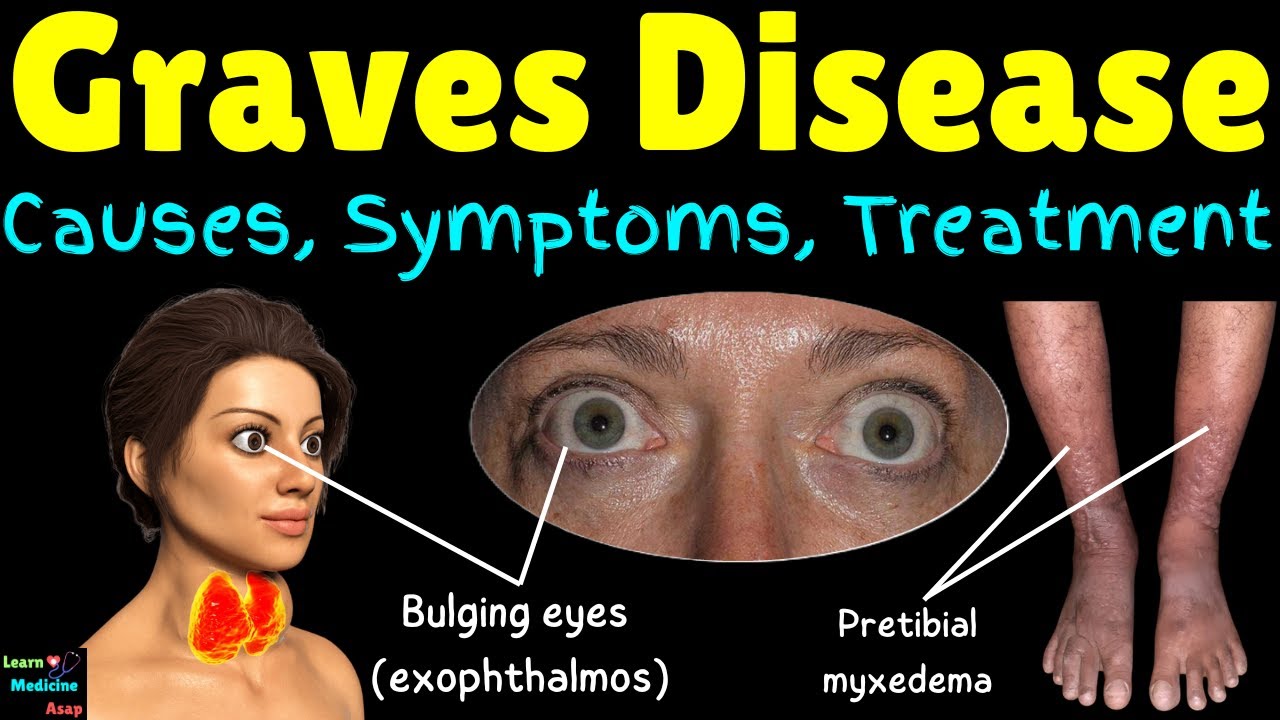
Graves’ Eye Disease, also known as thyroid eye disease, is a serious condition that can lead to significant vision problems if left untreated. Often associated with an overactive thyroid, this autoimmune disorder causes inflammation and swelling in the eye muscles and tissues. Recognizing the warning signs early is crucial to prevent permanent damage and preserve your eyesight. the shocking symptoms that often appear before any noticeable vision loss, helping you stay informed and seek timely medical care.
Your eyes may be warning you long before doctors do.
What starts as mild dryness or irritation can quietly progress into permanent vision damage — if the early signs are missed.
Graves’ eye disease doesn’t usually announce itself dramatically. Instead, it whispers. And those whispers are often ignored.
This article reveals the secret early warning signs of Graves’ eye disease that appear well before vision loss — and explains why recognizing them early can change everything.
What Is Graves’ Eye Disease — And Why It’s So Often Missed
Graves’ eye disease (also called thyroid eye disease) is an autoimmune condition closely linked to Graves’ disease. The immune system mistakenly attacks the tissues and muscles around the eyes, causing inflammation and swelling.
What makes Graves’ eye disease dangerous is how early symptoms are misunderstood.
Many patients see eye doctors, allergists, or general practitioners — but the dots aren’t connected until damage has already begun.
According to the National Eye Institute, thyroid eye disease can develop even when thyroid levels appear normal, which explains why early cases are frequently dismissed as dry eye or allergies
National Eye Institute – Thyroid Eye Disease
Why Graves’ Eye Disease Warning Signs Appear Before Vision Damage
Vision loss is a late-stage complication.
The real danger lies in the silent inflammatory phase, which can last months or even years.
During this phase:
- Swelling builds behind the eyes
- Eye muscles stiffen
- Pressure increases inside the orbit
Yet vision may still seem “normal.”
That’s why early Graves’ eye disease symptoms are the most critical — and the most overlooked.
Graves’ Eye Disease Warning Signs Doctors Often Dismiss
1. Persistent Eye Dryness That Doesn’t Respond to Drops
Dry eyes are the most common early complaint — and the most ignored.
But Graves’ eye disease dryness feels different:
- Constant, not seasonal
- Worsens at night or on waking
- Doesn’t fully improve with artificial tears
This happens because inflammation interferes with blinking and tear distribution.
2. Gritty, Burning, or “Sand in the Eye” Sensation
Patients often describe it as:
- “Something stuck in my eye”
- “A burning pressure”
- “My eyes feel raw”
This sensation is caused by exposed corneal surfaces, even before visible eye changes occur.
3. Subtle Eye Bulging That’s Easy to Miss
One of the most shocking truths:
Eye bulging often starts asymmetrically.
- One eye protrudes slightly more than the other
- Facial photos suddenly look “different”
- Friends say, “You look tired,” but can’t explain why
This mild protrusion is an early sign of orbital tissue swelling — long before dramatic bulging appears.
4. Increased Light Sensitivity
Light sensitivity is frequently misdiagnosed as:
- Screen fatigue
- Migraine aura
- Dry eye syndrome
In Graves’ eye disease, inflammation exposes sensitive eye structures, making bright light suddenly uncomfortable.
5. Eye Pressure or Pain Behind the Eyes
This symptom is often mistaken for sinus pressure.
Key clues it’s Graves’ eye disease:
- Pain worsens when moving the eyes
- Pressure feels deep, not nasal
- Headaches cluster around the brow or temples
Inflamed muscles inside the eye socket create this pressure.
Graves’ Eye Disease Warning Signs vs Common Eye Problems
| Symptom | Often Dismissed As | Possible Graves’ Eye Disease Sign |
|---|---|---|
| Chronic dryness | Allergies | Early inflammatory phase |
| Eye redness | Pink eye | Orbital inflammation |
| Mild bulging | Genetics | Tissue swelling |
| Eye pressure | Sinus issues | Muscle inflammation |
| Light sensitivity | Screen strain | Corneal exposure |
Why Graves’ Eye Disease Warning Signs Are Overlooked
There are several systemic failures that lead to delayed diagnosis:
- Eye symptoms appear before thyroid symptoms
- Thyroid blood tests may still be normal
- Eye care and thyroid care are treated separately
- Symptoms fluctuate, creating false reassurance
The Mayo Clinic confirms that thyroid eye disease can progress independently of thyroid hormone levels
Early Graves’ Eye Disease Symptoms That Signal Risk of Vision Damage
These symptoms suggest the disease is progressing and should never be ignored:
- Double vision (even occasional)
- Difficulty moving the eyes
- Eyelids not fully closing during sleep
- Blurred vision that fluctuates
- Colors appearing dull or washed out
These signs indicate optic nerve compression may be beginning.
Who Is Most at Risk of Graves’ Eye Disease Progression
Graves’ eye disease does not affect everyone equally.
Higher-risk groups include:
- Smokers
- People with uncontrolled thyroid levels
- Those under chronic stress
- Patients with delayed Graves’ disease diagnosis
Smoking, in particular, dramatically increases severity and worsens outcomes.
What To Do If You Notice Graves’ Eye Disease Warning Signs
Early action can prevent permanent damage.
Immediate Steps
- Document symptom changes weekly
- Take facial photos for comparison
- Request referral to an ophthalmologist familiar with thyroid eye disease
- Ask for orbital imaging if symptoms persist
Do not accept repeated dismissal if symptoms continue.
Living With the Uncertainty — The Emotional Toll
Many patients describe feeling:
- Invalidated
- Anxious
- Afraid of losing vision
- Frustrated by delayed answers
This emotional burden is real — and often precedes diagnosis by months or years.
Understanding the warning signs gives you agency, not fear.
Conclusion: Graves’ Eye Disease Whispers Before It Screams
Graves’ eye disease rarely starts with vision loss.
It begins with small, subtle signs — dryness, pressure, sensitivity — that quietly signal inflammation.
Recognizing these early Graves’ eye disease warning signs can mean the difference between monitoring and permanent damage.
Your eyes are not “just tired.”
They may be asking for attention — before it’s too late.
Call to Action
If this article resonated with you:
- Share it with someone who has Graves’ disease
- Bookmark it for future reference
Your awareness could save someone’s sight.