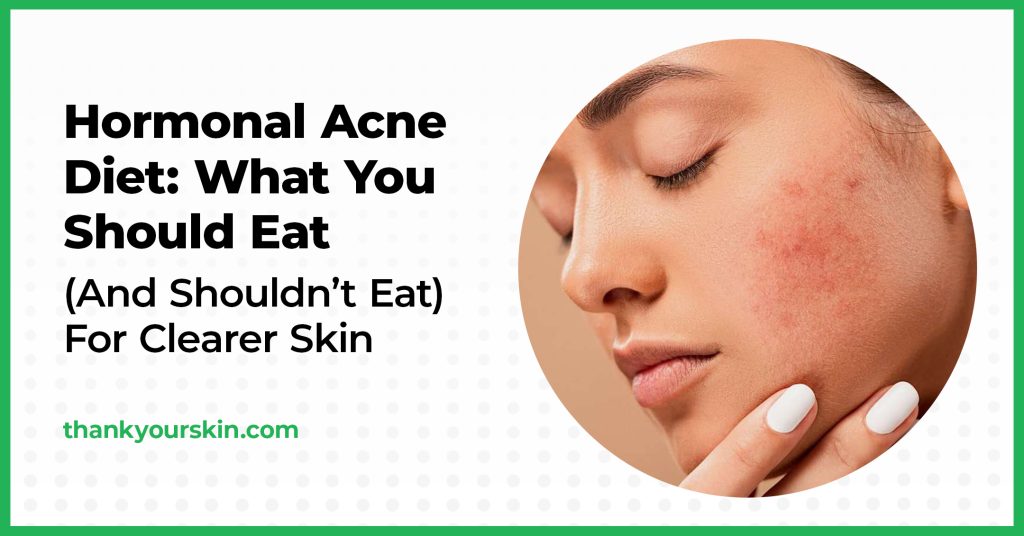
Healthy Diet, Worse Acne — The Hidden Inflammation Trigger In the quest for clear, glowing skin, many turn to healthy diets rich in fruits, vegetables, and whole grains. However, some individuals find that despite their best efforts, their acne worsens instead of improving. This puzzling phenomenon may be linked to a hidden inflammation trigger within certain “healthy” foods. Understanding the connection between diet, inflammation, and acne is crucial for identifying the root cause and tailoring an effective skincare and nutrition plan. how even the healthiest diets can sometimes contribute to skin flare-ups and what you can do to combat this unexpected culprit.
You finally swapped chips for kale, swapped soda for smoothies, and ditched fast food — yet your acne is getting worse. If your diet looks healthy but your skin feels angry, you’re not imagining it. The real culprit might not be skincare at all — it could be inflammation hiding beneath the surface.
This isn’t just another “eat clean, get clear” slogan. It’s a deeper look at how systemic inflammation and dietary missteps — especially those hidden in healthy-looking foods — can sabotage your skin, even when you think you’re doing everything right.
When “Healthy Eating” Isn’t Helping Your Acne
You walk into the grocery store choosing salads, whole grains, and smoothies. Friends might call your diet “clean,” but your acne is flaring up more than ever. This contradiction makes sense when you understand how certain foods—even those considered healthy—can trigger chronic inflammation, which is a key driver of acne.
Scientific evidence now suggests that inflammation plays a significant role in acne development, and that diet can either reduce or amplify that internal inflammatory response. (Healthline)
Inflammation isn’t just a buzzword — it’s an immune response that becomes problematic when it’s chronic, not acute. Chronic inflammation can alter hormone levels, increase sebum (oil) production, and make your immune system more reactive — all of which contribute to persistent acne.
So why does acne get worse even on a “healthy” diet? The hidden inflammation trigger might be hiding in foods you assume are good for you.
Hidden Inflammation Trigger: How Food Fuels Acne
Before we dig into inflammatory foods, it’s important to understand what inflammation actually does to acne.
Inflammation:
- Signals the immune system to react
- Promotes redness and swelling
- Encourages clogged pores to become inflamed
- Alters hormonal signaling and sebum production
When inflammation persists, your skin may become more prone to breakouts, even if you follow common “healthy” eating advice.
H2: Diet Looks Healthy Acne Worse — Surprising Dietary Triggers
Here’s the uncomfortable truth: a diet that looks healthy on the outside can still be triggering inflammation deep within your body — leading to acne flares.
Below are common examples of healthy-looking foods that might be fueling inflammation:
1. Refined Carbohydrates & High Glycemic Foods
Foods like white bread, white rice, and even some grain bowls can raise your blood sugar fast — even if they’re whole grain versions. This triggers insulin spikes, which then increase sebum production and inflammatory responses in skin tissue. (Healthline)
2. Some Dairy Products
Milk, especially skim milk and whey protein, contains hormones and growth factors (like IGF-1) that can increase sebum production and inflammation — potentially worsening acne.
3. Certain “Healthy” Snacks
Granola bars, flavored oats, dried fruit with added sugars, or even protein bars can have hidden sugar and additives that spike insulin and promote inflammation.
4. “Healthy Fats” That Aren’t Balanced
Foods high in omega-6 fatty acids — such as corn oil, soybean oil, and many processed seed oils — can promote inflammation if consumed without enough omega-3s.
5. Fruit Juices and Smoothies With Added Sugars
Smoothies are trendy and seem wholesome — yet many are packed with sugars that can spike blood glucose and contribute to inflammatory responses.
6. Excessive Gluten or Wheat Products
While not inflammatory for everyone, some individuals (especially those sensitive to gluten) may experience inflammation that shows up as acne.
H2: Acne and Inflammation Diet — Foods That Actually Fuel Inflammation
To help you see the bigger picture, here’s a simple table comparing inflammatory foods versus anti-inflammatory options:
| Food Category | Inflammatory (May Worsen Acne) | Anti-Inflammatory (May Improve Acne) |
|---|---|---|
| Grains | Refined grains (white bread, white rice) | Low-GI whole grains (quinoa, oats) |
| Dairy | Skim milk, whey protein | Plant milks, fermented yogurt |
| Fats | Omega-6-rich oils (corn, soybean) | Omega-3 fats (salmon, chia seeds) |
| Sugars | Added sugars, sweetened juices | Natural sugars in fruits with fiber |
| Snacks | Processed snacks, bars | Nuts, seeds, legumes |
| Processed Foods | Fast food, packaged snacks | Whole, minimally processed foods |
This comparison helps clarify why a diet might look healthy on paper but still fail to control inflammation and acne.
Why These Foods Trigger Acne Despite Being “Healthy”
At this point, you may wonder: if these foods are technically healthy, how are they making acne worse?
The key lies in how they affect:
Inflammation Pathways
Sugar spikes and certain fats promote chronic low-grade inflammation that can manifest as acne lesions. When your immune system is constantly ticking, your skin may reflect that unrest.
Insulin & IGF-1 Hormones
Rapid carbs and some dairy increase insulin and insulin-like growth factor (IGF-1) — both of which stimulate oil production in skin glands and increase inflammatory signaling.
Gut Health
Inflammatory foods can alter your gut microbiome — and the gut and skin communicate more than you might think. A disrupted gut microbiome is increasingly linked with skin inflammation and breakouts.
H2: Acne and Inflammation Diet — What to Eat Instead
Now that we’ve seen what might be making acne worse, here’s what research shows can help reduce inflammation and improve acne:
Omega-3-Rich Foods
Fatty fish (like salmon), chia seeds, and flaxseed have anti-inflammatory effects that may help calm the immune system and support clearer skin.
Low Glycemic Whole Foods
Vegetables, legumes, and whole grains that digest slowly help stabilize blood sugar and reduce insulin spikes.
Antioxidant-Rich Fruits
Berries, cherries, and citrus fruits contain compounds that reduce oxidative stress and inflammation.
Probiotic Foods
Fermented foods like yogurt, kimchi, and kefir may support a healthier gut — which in turn may reduce systemic inflammation.
Zinc-Rich Foods
Zinc isn’t just good for immunity — it supports healthy skin and reduces inflammation. Pumpkin seeds, chickpeas, and oysters are excellent sources.
This anti-inflammatory eating pattern resembles a Mediterranean-style diet, which research confirms can lower overall inflammation levels.
Lifestyle Factors That Amplify Inflammation and Acne
Your diet is impactful, but other daily habits can either increase or reduce internal inflammation:
Poor Sleep
Lack of sleep raises inflammation markers and stress hormones.
Chronic Stress
Stress increases cortisol — a hormone that may worsen inflammation and acne.
Lack of Physical Activity
Exercise helps regulate insulin and reduces inflammatory signaling.
When “Healthy” Still Isn’t Enough
Even if you think you’re eating clean, context matters. For example:
- A salad with sweetened dressing and feta cheese might spike insulin more than you expect.
- A “natural” granola bar could contain as much sugar as a candy bar.
- Smoothies without fiber or protein may cause rapid blood sugar spikes.
These pitfalls help explain why acne can worsen even on seemingly healthy diets. It’s less about labels and more about how your body processes nutrients and inflammation triggers.
Signs Your Acne Might Be Linked to Inflammation
Here are ways to tell if inflammation — and not skincare alone — is driving your acne:
- Red, swollen, painful pimples
- Breakouts that worsen after meals high in sugar or refined carbs
- Acne that persists despite good cleansers and topical products
- Acne flares linked to stress, poor sleep, or high dairy consumption
If this sounds familiar, your acne may be telling you something deeper is going on.
Can Changing Your Diet Actually Improve Acne?
Research suggests diet does influence acne severity, even if it’s not the sole cause. Unlike simplistic food myths, the connection between diet, inflammation, and acne has scientific backing.
For example, studies show low-glycemic diets can reduce acne breakouts, and that dairy — especially skim milk — is associated with an increased risk of acne.
This doesn’t mean every person will see dramatic overnight changes, but strategic dietary adjustments can support your skin’s recovery over time.
Conclusion: Why “Healthy” Diets Sometimes Make Acne Worse
If your diet looks healthy yet your acne is worse, the missing puzzle piece might be inflammation caused by hidden triggers in your food. It’s not that your diet is “wrong” — it’s that some healthy-looking foods can still:
- Spike your blood sugar
- Promote inflammatory responses
- Alter hormone signaling
- Disrupt gut health
The good news? By focusing on anti-inflammatory, low glycemic, and nutrient-rich foods, you empower your body — and your skin — to heal more effectively.
Acne isn’t just a cosmetic problem. It’s a systemic signal that something inside might need attention — and diet is one of the most powerful levers you have.
Call-to-Action
If this article helped you understand your acne better, please share it with someone who needs to read it. For more evidence-based skincare and health insights,