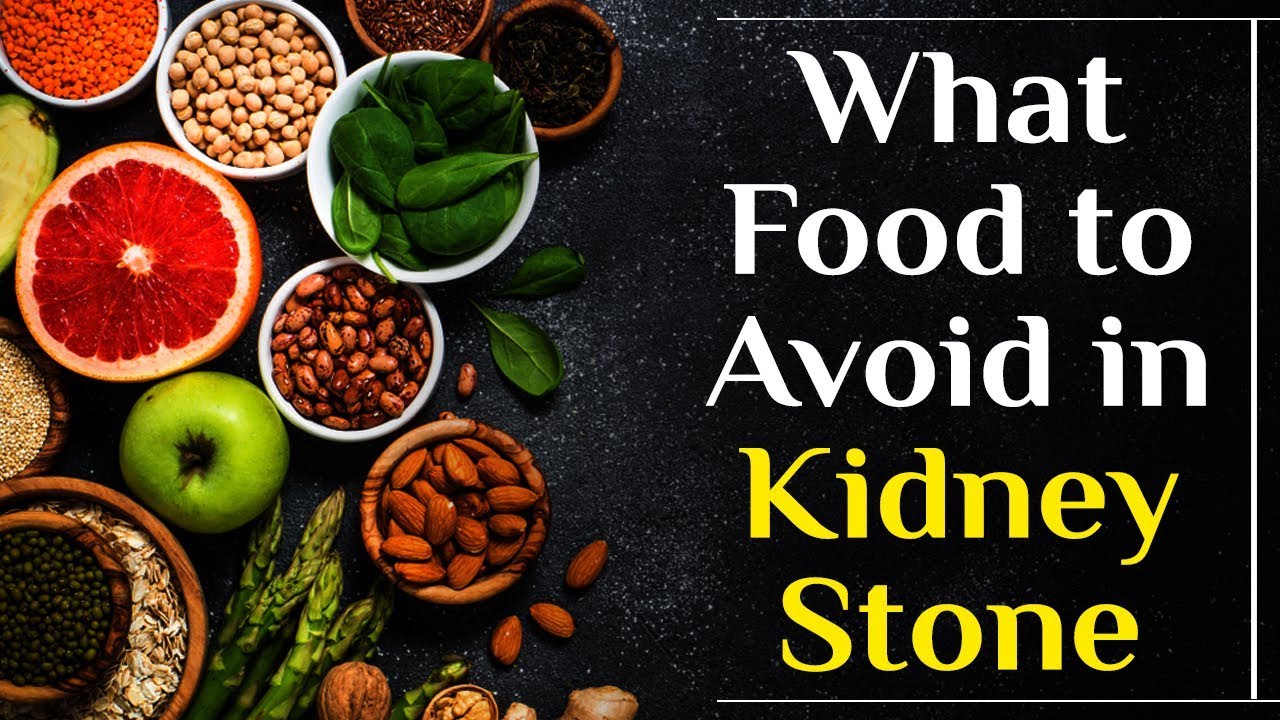
Kidney stones can be painful and disruptive, but many people don’t realize that certain everyday foods they consume might be contributing to their formation. While some foods promote kidney health, others can increase the risk of stone development without you even knowing it. uncover the secret kidney stone foods you’re likely eating daily and provide tips on how to make smarter choices to protect your kidneys and overall well-being.
What if the foods you think are healthy are secretly turning your urine into a perfect storm for kidney stones?
You might be eating these “innocent” items every day — unaware they are feeding stone-forming chemicals in your body.
Most people blame dehydration or genetics — but the truth is far more surprising.
Let’s dive into the hidden dietary triggers that turn your urine into kidney stone fuel — and how to avoid them before it’s too late.
Understanding the Connection: Why Food Matters for Kidney Stone Risk
Kidney stones form when certain minerals and chemicals in urine become concentrated and crystallize.
Three major stone types are common:
- Calcium oxalate stones (most frequent)
- Uric acid stones
- Calcium phosphate stones
Your diet plays a major role in how much of these compounds end up in your urine — and whether they combine to form stones. Neglecting this can turn your everyday meals into stone-forming fuel without your awareness. (WebMD’s kidney stone diet guidance) (WebMD)
Let’s start by exposing the foods that quietly increase stone risk.
H2: The Biggest Kidney Stone Foods That Turn Your Urine Into Fuel
These foods can elevate stone-forming chemicals in your urine — especially when eaten frequently or in large portions.
1. High-Oxalate Foods
Oxalate binds with calcium in urine, creating crystals that can lead to stones.
Common high-oxalate culprits include:
- Spinach
- Beets
- Rhubarb
- Nuts (almonds, cashews)
- Cocoa and dark chocolate
- Sweet potatoes
- Bran cereals
These foods alone don’t guarantee stones — but in excess, they raise urine oxalate significantly. (Kidney & Diet Prevention Tips) (kidneystoners.org)
Tip: Pair oxalate foods with calcium in one meal (e.g., spinach + cheese) to reduce absorption.
2. Excess Animal Protein
While steak and chicken are protein staples, high amounts of animal protein:
- Increase uric acid (fuels uric acid stones)
- Lower urinary citrate (stone inhibitor)
- Raise calcium excretion
Red meats, organ meats, shellfish, and even poultry fall into this category. You don’t have to cut them out entirely — just moderate portions.
3. Salty and Processed Foods
Salt can dramatically increase calcium excretion into urine — a key trigger for calcium stones.
Watch out for:
- Packaged snacks
- Processed meats (bacon, sausage)
- Canned soups & sauces
- Fast foods
Excess sodium doesn’t just affect blood pressure — it pulls more calcium into urine, making crystals more likely.
4. Sugary & Sweetened Beverages
Sodas, fruit drinks, and sweetened iced teas do more than add calories:
- High fructose corn syrup increases uric acid
- Phosphoric acid in colas can alter urine chemistry
- Excess sugar may raise calcium and oxalate excretion
Drinks loaded with sugar and phosphates make your urine a fertile ground for stone formation.
5. Caffeine & Dehydration Triggers
Caffeinated drinks or energy drinks — especially without adequate water — can dehydrate you.
Dehydration concentrates minerals in urine, accelerating crystallization.
Aim for enough water alongside caffeine to keep urine dilute and flowing.
Did You Know? – Not All Healthy Foods Are Safe Alone
Some foods praised for health can still feed stones under certain conditions:
| Food | Why It Can Be Risky | How It Affects Urine |
|---|---|---|
| Spinach | High oxalate | Raises oxalate concentration |
| Almonds & Nuts | High oxalate | Boosts urinary oxalate |
| Dark Chocolate | Oxalate + sugar | Increases stone-forming compounds |
| Tea (black) | High oxalate | Raises oxalate in urine |
| Sweet Potatoes | Oxalate source | Can feed stone formation |
These foods can be part of a healthy diet — but awareness and pairing with calcium help reduce stone risk.
H2: What Happens Inside Your Body When You Eat These Kidney Stone Foods
Here’s how the process typically unfolds:
- Digestive Absorption: High oxalate foods release oxalate into the bloodstream.
- Urinary Excretion: Your kidneys filter that oxalate into urine.
- Crystal Formation: If urine has high calcium or uric acid, oxalate pairs with them — forming tiny crystals.
- Stone Growth: Over time, crystals can grow into painful stones.
Low urine volume (from dehydration) accelerates every step. That’s why water is your best defense.
H2: Foods to Limit — But Don’t Necessarily Avoid Completely
If you’re at risk of kidney stones, moderation is key:
- High-purine foods: Anchovies, sardines, organ meats → raise uric acid
- High-sodium snacks: Pretzels, chips, pickles
- Sugary sodas: Especially cola drinks
- Caffeinated energy drinks: Can dehydrate without enough water
Understanding why these foods matter helps you choose smarter substitutions.
H2: Smart Swaps That Reduce Kidney Stone Risk
Turning your diet around doesn’t mean sacrifice. Instead, choose with purpose:
Water & lemon water → helps dilute urine
Citrus fruits (lemons, oranges) → raise citrate, which inhibits stones
Plant-based proteins (beans, lentils) → lower purine load
Low-oxalate veggies → cauliflower, cucumbers
Herbal teas (no sugar) → hydration without oxalates
These swaps keep your urine chemistry balanced and less friendly to stones.
H2: Red Flags — When Urine Changes Signal Trouble
Know your urine:
- Cloudy or very dark color — potential high mineral load
- Strong odor — may signal concentrated minerals
- Blood in urine — immediate medical review
- Pain while urinating — possible obstruction
Early signal recognition prevents progression to painful stones.
H2: Putting It All Together — A Practical Food Strategy
Here’s a day-by-day guide to managing diet without feeling deprived:
Breakfast:
- Oatmeal with low oxalate fruits
- Water + lemon
Lunch:
- Mixed greens (avoid spinach)
- Lean plant proteins (beans, lentils)
Snack:
- Fresh fruit or yogurt
Dinner:
- Grilled fish or tofu
- Steamed low-oxalate vegetables
Beverages:
- Water throughout the day
- Herbal tea if desired
This balanced strategy keeps stone-forming compounds in check.
Conclusion: Your Diet Can Either Feed or Fight Kidney Stones
It’s shocking that foods many people eat daily — from nuts to sodas to leafy greens — can unwittingly turn your urine into kidney stone fuel.
But knowledge is power.
By identifying the foods that contribute to higher oxalate, sodium, purine, and sugar levels in urine, you can take control of your kidney health.
Think of it like steering a ship — small course corrections today can prevent major storms tomorrow.
📣 Call-to-Action
Want personalized tips for your kidney stone risk?
Share your diet habits in the comments below and let’s talk solutions! 📣
Share this article with someone who might be unknowingly fueling their kidney stones.