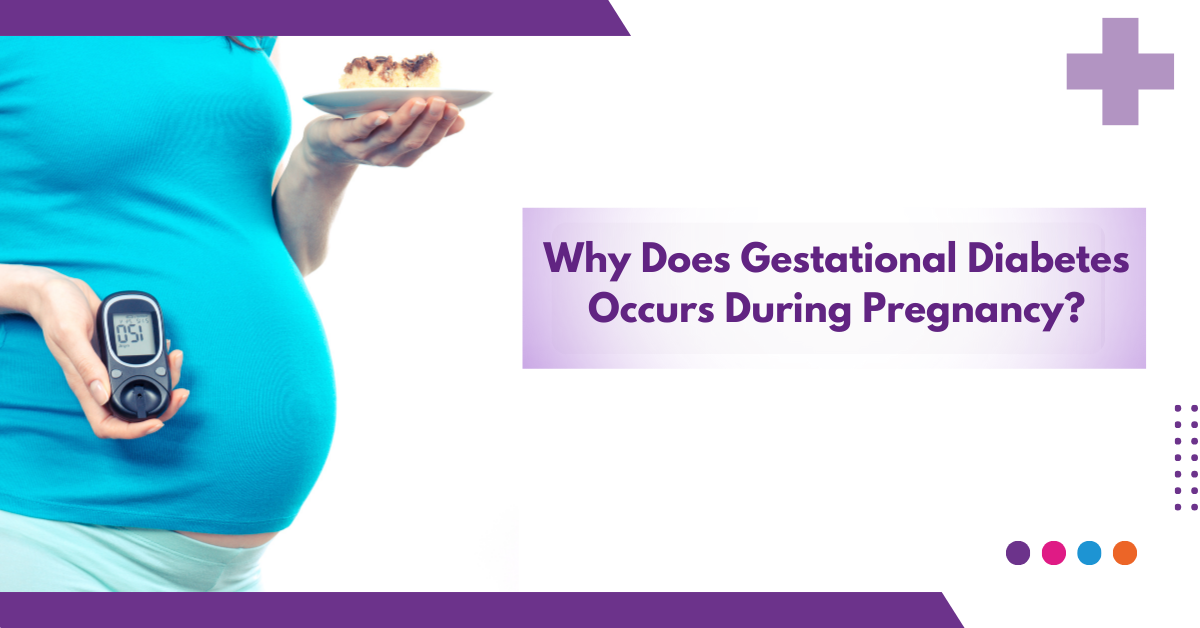
Pregnancy is a time of incredible change and growth, but for some women, it also brings unexpected challenges. One such challenge is the sudden and often unbelievable spikes in blood sugar levels that can occur during pregnancy. These dramatic fluctuations can lead to gestational diabetes, a condition that affects both mother and baby if not managed properly. Understanding the causes, risks, and ways to control these sugar spikes is essential for a healthy pregnancy journey. what triggers these blood sugar surges and how to keep them in check.
You’re pregnant and doing “everything right” — eating well, walking daily, and excited for your baby. But what if sudden sugar spikes are silently threatening your health and your baby’s future, without you even feeling a thing?
That’s the uncomfortable reality many expectant mothers discover too late.
: Why Sugar Spikes in Pregnancy Matter
Gestational diabetes is a form of diabetes first diagnosed during pregnancy. It develops when your body cannot make enough insulin — the hormone that moves sugar (glucose) from your blood into your cells. During pregnancy, hormone changes increase insulin resistance, making sugar more likely to build up in the blood.(Mayo Clinic)
The most frightening part? Many women have no symptoms before their glucose spikes place them into high-risk territory. Even if you feel fine, hidden sugar surges in your blood can be affecting your developing baby.
Let’s break down exactly how these spikes happen, why they’re dangerous, and what you can do about them.
What Is Gestational Diabetes and How Do Sugar Spikes Occur?
Gestational diabetes (often called GDM) affects approximately 5–9% of pregnant women, typically appearing around the 24th to 28th week. Because it doesn’t always cause symptoms, routine screening is essential.(CDC)
How Sugar Spikes Happen
Pregnancy hormones — especially human placental lactogen — can make cells less responsive to insulin. As a result:
- Glucose stays in the bloodstream instead of entering cells.
- Blood sugar levels rise quickly after meals.
- Sudden sugar surges (spikes) may go unnoticed without monitoring
These spikes don’t need to be extreme to matter — even moderately high post-meal sugar can strain your system and increase risk.
Real Risks of Unchecked Sugar Spikes
Uncontrolled gestational diabetes can affect both mother and baby. Here are key concerns backed by expert sources:
For the Mother:
- Higher risk of preeclampsia (dangerous high blood pressure).
- Increased likelihood of cesarean delivery.
- Greater chance of developing type 2 diabetes later in life.
For the Baby:
- Excessive birth weight (macrosomia).
- Hypoglycemia (low blood sugar after birth).
- Future risk of obesity and metabolic disease
These complications don’t just affect birth — they can have lifelong implications.
Shocking Triggers of Sugar Spikes in Pregnancy
Some triggers are obvious, but others are surprising and easily overlooked:
1. Sugary Beverages and Fruit Juices
Sugary drinks can significantly raise the risk of gestational diabetes, even when consumed only a few times per week. A large observational study found that consuming sugar-sweetened beverages increased GDM risk dramatically. (Specific data available in news reporting on relevant research).
2. Refined Carbohydrates
White bread, pasta, and pastries break down quickly into glucose, causing rapid post-meal spikes.
3. Hidden Sugars in “Healthy” Foods
Yogurts, granola, dressings, smoothies, and fruit juices can be deceptively high in sugar.
4. Stress and Inflammation
Stress hormones can raise blood sugar, making spikes more severe.
5. Lack of Physical Activity
Physical activity helps muscles use glucose — without it, sugar stays in circulation longer.
6. Pregnancy Weight Gain Beyond Recommendations
Excessive weight gain increases insulin resistance and worsens sugar regulation.
Recognizing Sugar Spikes — Even Without Symptoms
You may not feel a spike. Many pregnant women with gestational diabetes report being completely asymptomatic — even when blood sugar readings are high.
Common Myths vs. Facts
| Myth | Reality |
|---|---|
| Only sweet desserts cause sugar spikes | Many carbohydrates (including “healthy” ones) raise blood sugar rapidly |
| I’d feel high sugar if I had it | Many women have no noticeable symptoms |
| If I eat “light”, I won’t spike | Composition and timing of meals matter more than calories |
How Sugar Spikes Are Diagnosed
Routine screening for gestational diabetes usually occurs between 24–28 weeks, but the first warning signs can appear earlier.
Tests Used
- Glucose Challenge Test (GCT)
- Oral Glucose Tolerance Test (OGTT)
These tests measure how your body handles sugar after a controlled dose of glucose.
Practical Ways to Prevent and Manage Sugar Surges
The good news? There are proactive steps you can take every day to stabilize your blood sugar.
1. Focus on Balanced Meals
Pair carbohydrates with protein and fiber to slow digestion and reduce spikes.
2. Choose Low-Glycemic Foods
Vegetables, legumes, whole grains, and lean proteins help keep blood sugar steadier.
3. Stay Hydrated
Water helps your cells absorb glucose more efficiently.
4. Engage in Regular Activity
Daily walks after meals can help muscles process glucose.
5. Monitor Your Blood Sugar if Recommended
Early detection empowers you to make real changes.
6. Consult With Specialists
Working with a dietitian or endocrinologist can customize your approach.
The Importance of Early Detection
Emerging research suggests that testing for gestational diabetes earlier than the traditional 24–28 week timeline could prevent many complications. A recent study advocated for screening before 14 weeks, especially in high-risk women.
Earlier detection enables earlier dietary and medical interventions, protecting both mother and child.
What to Do If You Experience Sugar Spikes
If you’ve been diagnosed with gestational diabetes or suspect sugar spikes:
- Don’t panic — many women manage GDM successfully.
- Follow your care team’s guidance on dietary changes and glucose monitoring.
- Stay proactive; even small improvements in diet and movement have measurable effects on sugar control.
Conclusion: You Are Not Alone — But Knowledge Is Power
Learning about unbelievable sugar spikes in pregnancy isn’t meant to scare you — it’s meant to empower you. Hidden blood sugar surges can happen without warning, but with informed choices, early detection, and consistent care, you can protect your health and your baby’s future.
Remember: No two pregnancies are identical, and what works for one woman may not work for another. Use this information as a guide to ask informed questions, advocate for yourself in healthcare settings, and build a support plan that makes sense for you.
Call to Action
Interested in deeper guidance on managing pregnancy blood sugar and healthy nutrition plans? Share this article, save it to your prenatal “second trimester checklist,” or consult your healthcare provider to make a personalized care plan.