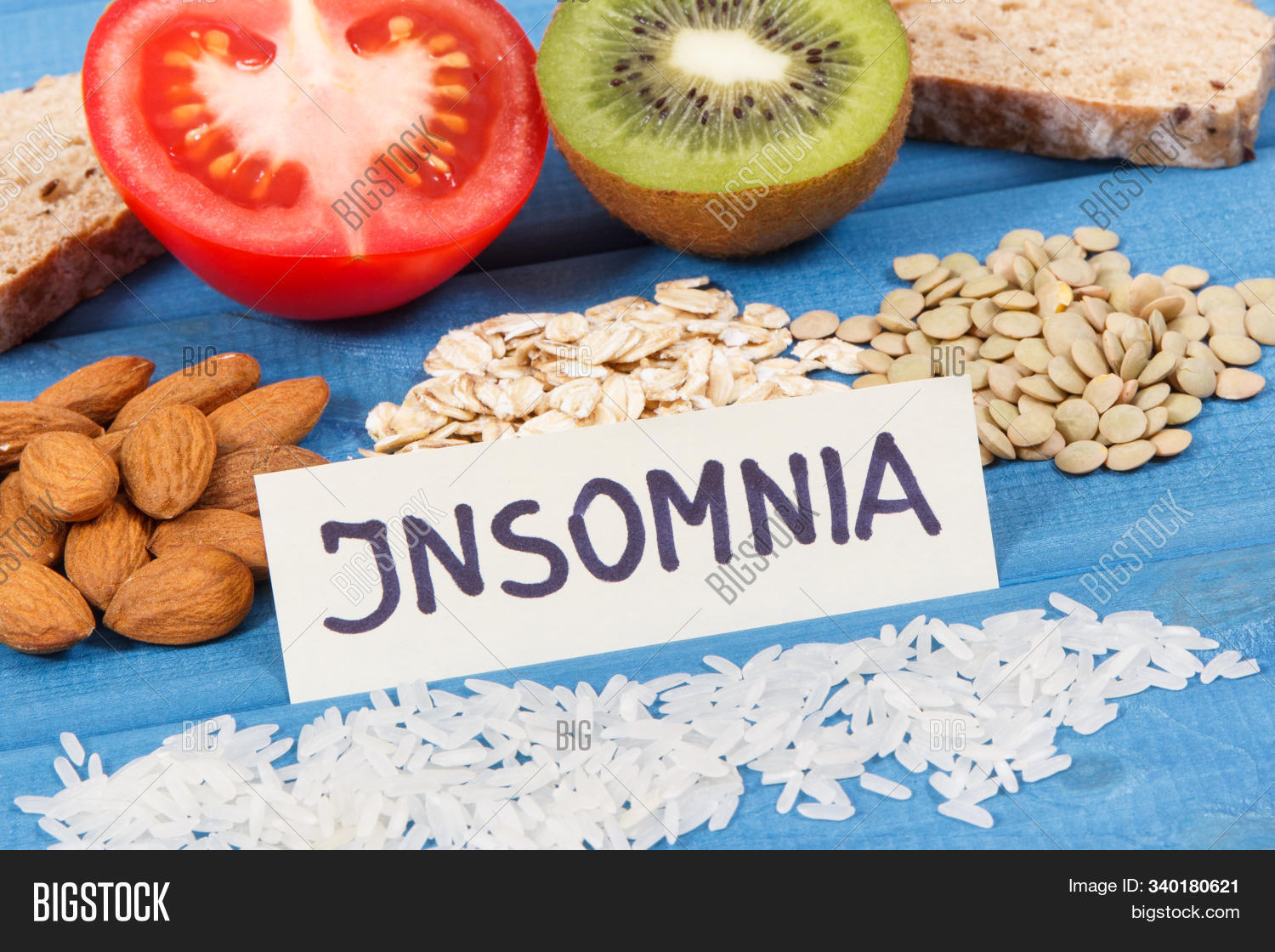
Are you struggling to fall asleep at night despite feeling tired? The answer to your restless nights might be closer than you think—right on your dinner plate. Recent studies suggest that what you eat in the evening could be disrupting your sleep patterns and contributing to insomnia. Discover how your evening diet might be sabotaging your sleep and learn simple changes that can help you finally get the restful night you deserve.
You eat dinner, feel fine, then lie down at night… and suddenly your mind is racing. The frustrating truth is that your evening diet may be sabotaging your sleep — without causing obvious symptoms. What looks harmless on your plate could be quietly triggering insomnia.
Understanding how foods affect your sleep can be the missing link to finally getting the rest you crave.
Why Your Evening Diet Matters for Sleep
Many people assume sleeplessness is caused by stress or thoughts alone, but growing research shows that what and when you eat plays a critical role in how well you sleep.^1 That means evening dietary choices — not just late-night scrolling — may interfere with sleep patterns.
Food affects:
- Blood sugar levels
- Digestive comfort
- Sleep-hormone production
- Circadian rhythms (your body clock)
And when these systems get pushed off balance, sleep can suffer — even if you don’t feel the discomfort during dinner or immediately after.^2
Unbelievable: Your Evening Diet May Be Causing Insomnia-How Certain Foods Quietly Disrupt Sleep
When it comes to sleep, it’s not just about feeling full — it’s about how your body responds afterward.
According to research, certain types of evening foods and eating patterns are linked to shorter or poorer quality sleep:
- High-Glycemic Foods – Foods that spike blood sugar rapidly (white bread, sugary snacks) can affect sleep later at night by triggering hormonal responses that disturb your sleep cycle.^3
- High Fat or Heavy Meals – Large, fatty meals can slow digestion and cause discomfort or acid reflux once you lie down, even if you don’t experience symptoms until later.^4
- Spicy Foods – These can increase body temperature and acid reflux, both of which can interrupt deep sleep.^5
- Caffeine and Sugary Drinks After Dinner – These stimulants may remain active in your system for hours and interfere with sleep onset.^6
- Late Eating Overall – Eating close to bedtime compresses digestion into your sleep period, which can disrupt circadian rhythm and shortens total sleep time.^1
This means that even a dinner that felt fine can still push your body into wakeful metabolic states while you try to sleep.
Unbelievable: Your Evening Diet May Be Causing Insomnia-The Hidden Power of Timing: When You Eat Matters More Than You Think
It’s not just what you eat — when you eat it — that can make a difference.
A large national study found that eating dinner later in the evening — especially meals high in refined sugars or caffeine after 6 p.m. — was linked with higher odds of short sleep duration and insomnia.^1
This connects with what nutrition experts call chrono-nutrition — the idea that meal timing influences your internal clock. Proper timing can support good sleep, while late, heavy, or sugary meals can confuse your circadian rhythm.^6
Foods That Help or Hurt Your Night’s Rest
Below is a simple comparison to help you understand how different food types can influence sleep quality:
| Food Type | How It Affects Sleep | Why |
|---|---|---|
| High-glycemic sugars | May disrupt sleep hormone balance | Causes rapid blood sugar spikes and crashes |
| Heavy, high-fat meals | Can delay sleep onset and fragment sleep | Slower digestion and possible acid reflux |
| Caffeine & stimulants | Blocks sleep signals | Keeps the nervous system alert |
| Light, balanced meals | Supports sleep onset | Easier digestion and steady blood glucose |
| Foods rich in tryptophan & melatonin | May improve sleep quality | Helps support your body’s sleep hormones |
Little-Known Ways Diet Can Affect Sleep — Even With No Pain
Many people think sleep disruption only happens if they feel discomfort, like heartburn or fullness. But sleep physiology doesn’t require symptoms to be affected.
Here’s why:
- Blood Sugar Swings: Even if dinner left you feeling fine, a rapid blood sugar spike can later activate stress-related hormones, like cortisol, which delay sleep.^3
- Inflammation and Digestive Load: Your body works on digestion for hours after meals. If the meal was heavy or processed, this ongoing workload can interrupt your brain’s ability to shift into deep sleep mode.
- Circadian Misalignment: Eating late compresses your metabolic processes into what should be your resting window, confusing your internal clock.
This explains why many people report that changing what and when they eat improves sleep — even without obvious evening discomfort.
Smart Evening Diet Choices for Better Sleep
The good news is that small changes in your evening eating routine can make a big difference.
Eat Balanced Meals Earlier
Aim to finish dinner at least 2–3 hours before bedtime to allow digestion to wind down before you sleep.^1
Choose Foods That Support Sleep
Include nutrient-rich foods that support sleep hormone production:
- Foods with tryptophan (turkey, eggs, dairy)
- Complex carbs (whole grains, legumes)
- Fruits and vegetables
These foods can help your body produce serotonin and melatonin naturally.^3
Limit Sugars and Processed Foods
Cut back on added sugars, refined grains, and ultra-processed foods, especially later in the day. These foods are linked to poorer sleep quality and can trigger blood sugar fluctuations that impact sleep cycles.^8
Lifestyle Patterns That Boost Sleep Along With Diet
Beyond food choices, some lifestyle habits work hand-in-hand with a good evening diet:
- Regular sleep schedule
- Reducing caffeine consumption in the afternoon
- Light evening activity
- A calming bedtime routine
Because sleep and diet are interconnected systems, improving both can create a positive feedback loop for better rest and overall health.^9
Conclusion: Why Your Evening Diet Could Be the Invisible Sleep Saboteur
It’s understandable to overlook dinner as a contributor to sleepless nights — especially when you feel fine afterward.
But the science is clear: your food choices in the evening influence your hormones, digestion, blood sugar, and circadian rhythm — all of which can quietly trigger insomnia without obvious symptoms.
By eating balanced meals earlier, choosing whole foods, limiting sugar and heavy fats, and paying attention to meal timing, you can give your body a better chance to rest deeply at night.
Sleep well isn’t just about sleep time. It begins at the dinner table.
Call-to-Action:
If you found this eye-opening, share this article with someone who struggles with sleep — sometimes the key to better rest is on your plate before you even hit the pillow.