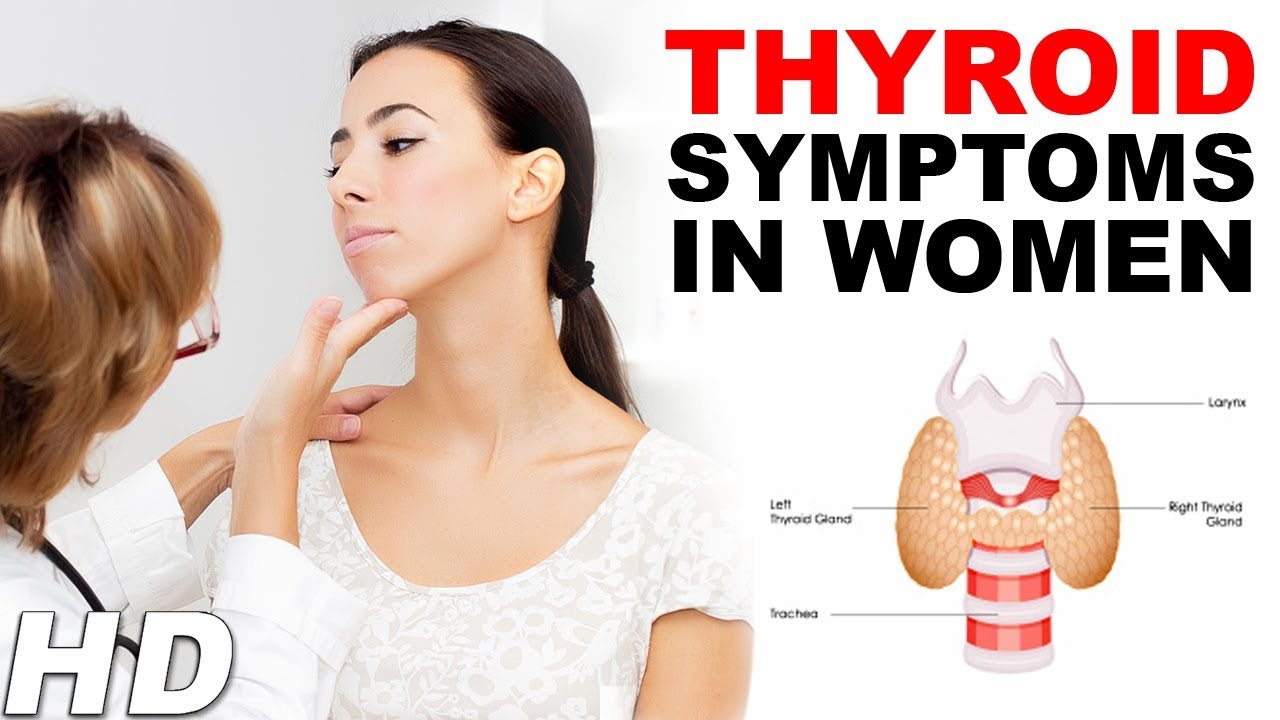
Thyroid Disease health plays a crucial role in overall well-being, yet many women over 30 often overlook the early signs of thyroid issues. Detecting these subtle symptoms early can make a significant difference in managing and treating thyroid conditions effectively. the shocking early thyroid signs that every woman over 30 should be aware of to take control of their health before problems escalate.
You’ve been feeling off for months—exhausted, gaining weight, or noticing mood swings—and you tell yourself it’s just stress or another sign of aging. But what if the real issue isn’t stress at all? What if a silent gland at the base of your neck is whispering warnings you’ve been tuned out?
Unfortunately, many women over 30 dismiss early signs of thyroid disease as normal life frustrations, only to discover later that those symptoms were anything but ordinary.
In this article, we’ll explore the most overlooked early signs of thyroid disease in women over 30, explain why they happen, and help you understand what to watch for before it’s too late.
Why Thyroid Disease Is So Often Missed in Women Over 30
Women are significantly more likely than men to develop thyroid issues, and risk increases with age—especially after 30. Thyroid disease can mimic stress, menopause, sleep problems, or mood disorders, leading many women to dismiss warning signs as just part of life. (Office on Women’s Health)
This gland controls metabolism, mood, energy, reproductive health, and even body temperature. When it’s out of balance, the effects ripple through nearly every system in your body.
Early Signs of Thyroid Disease in Women Over 30
Below, we break down the most common subtle symptoms that often go ignored or misunderstood.
1. Unexplained Fatigue That Just Won’t Quit
Most women expect fatigue when life gets busy—but persistent exhaustion even after a full night’s sleep is a red flag.
- Hard to wake up in the morning
- Nap cravings mid-day
- Feeling drained after minimal exertion
This is one of the earliest and most common signs of hypothyroidism (underactive thyroid).
2. Strange Weight Changes Without Lifestyle Shifts
Sudden weight gain—or sometimes weight loss—without changes in diet or exercise is another alarm bell.
| Symptom | Possible Thyroid Cause |
|---|---|
| Unexplained weight gain | Underactive thyroid slows metabolism |
| Sudden weight loss | Overactive thyroid speeds up metabolism |
| Trouble losing weight | Metabolic imbalance despite diet/exercise |
Weight changes this dramatic often occur without diet or exercise being the cause.
3. Mood Swings, Anxiety, and Mental Fog
Are you feeling moody, anxious, or like your brain isn’t firing on all cylinders?
Thyroid hormones influence neurotransmitters and brain function—so disruptions often show up emotionally long before physical symptoms.
- Irritability
- Anxiety spikes
- Difficulty concentrating
- “Brain fog” that feels like clouded thinking
Many women dismiss these as stress or burnout, but they can be tied directly to thyroid imbalance.
4. Changes in Hair, Skin, and Nails
Your thyroid affects cell regeneration, so changes in appearance can be early signals.
- Dry, brittle hair
- Hair thinning (especially eyebrows)
- Dry, flaky skin
- Brittle nails
These changes can feel cosmetic but are often biological in origin.
5. Irregular Menstrual Cycles
Your thyroid interacts with reproductive hormones, so changes to your period could be more than just stress.
- Heavy or prolonged bleeding
- Lighter or missed periods
- Fertility struggles
Thyroid dysfunction can disrupt ovulation and menstrual rhythms, and women often misattribute these issues to contraceptives or stress.
6. Temperature Sensitivity
Do you feel cold when others don’t, or find yourself sweating while everyone else is comfortable?
Both extremes—cold intolerance with hypothyroidism and heat intolerance with hyperthyroidism—can be early indicators of thyroid imbalance.
7. Changes in Sleep Patterns
Thyroid imbalances can disrupt your sleep cycle in surprising ways.
- Difficulty falling asleep
- Frequent nighttime awakenings
- Daytime sleepiness
Sleep trouble is often written off as stress, but when it persists, it’s worth considering underlying thyroid causes.
8. Neck Swelling or Discomfort
A visibly enlarged thyroid gland (goiter) or neck pressure isn’t always obvious—but when present, it’s a strong indicator of malfunction.
This signal should prompt immediate medical evaluation.
Types of Thyroid Disease and What They Mean for You
Understanding a few basic types can help you interpret symptoms more accurately.
Hypothyroidism (Underactive Thyroid)
- Slow metabolism
- Weight gain
- Fatigue
- Cold intolerance
- Depression
This is the most common form, often linked to autoimmune Hashimoto’s disease.
Hyperthyroidism (Overactive Thyroid)
- Rapid heartbeat
- Weight loss
- Heat intolerance
- Anxiety
- Tremors
This condition speeds up your body functions, and symptoms often appear suddenly.
Why Early Detection Matters
When thyroid disease goes undiagnosed, symptoms can escalate over time:
- Long-term fatigue
- Heart health issues
- Fertility problems
- Metabolic diseases
More importantly, catching thyroid dysfunction early can significantly improve quality of life through treatment ranging from hormone replacement to lifestyle adjustments.
What To Do If You Notice These Signs
If you recognize multiple symptoms:
- Track your symptoms in a health journal
- Request a thyroid panel from your healthcare provider
- Consider asking for TSH, Free T3, Free T4, and antibody tests
- Discuss referral to an endocrinologist if tests are inconclusive
Don’t dismiss early whispers of imbalance—your body is sending signals for a reason.
Conclusion: Listen Before It’s Too Late
Thyroid disease is a master of disguise. Its symptoms often mirror stress, aging, or lifestyle fluctuations—especially in women over 30. But dismissing unexplained fatigue, mood changes, weight shifts, or irregular periods risks letting a treatable condition worsen over years.
Recognizing these shocking early signs of thyroid disease in women over 30 is your first step toward health, clarity, and reclaiming your energy.
Share this article with someone who might be wondering, “Why am I feeling like this?”
Call to Action
Read More: Explore our deeper guide on thyroid tests and diagnosis.
Share Now: Help raise awareness—tag a friend who needs to read this.