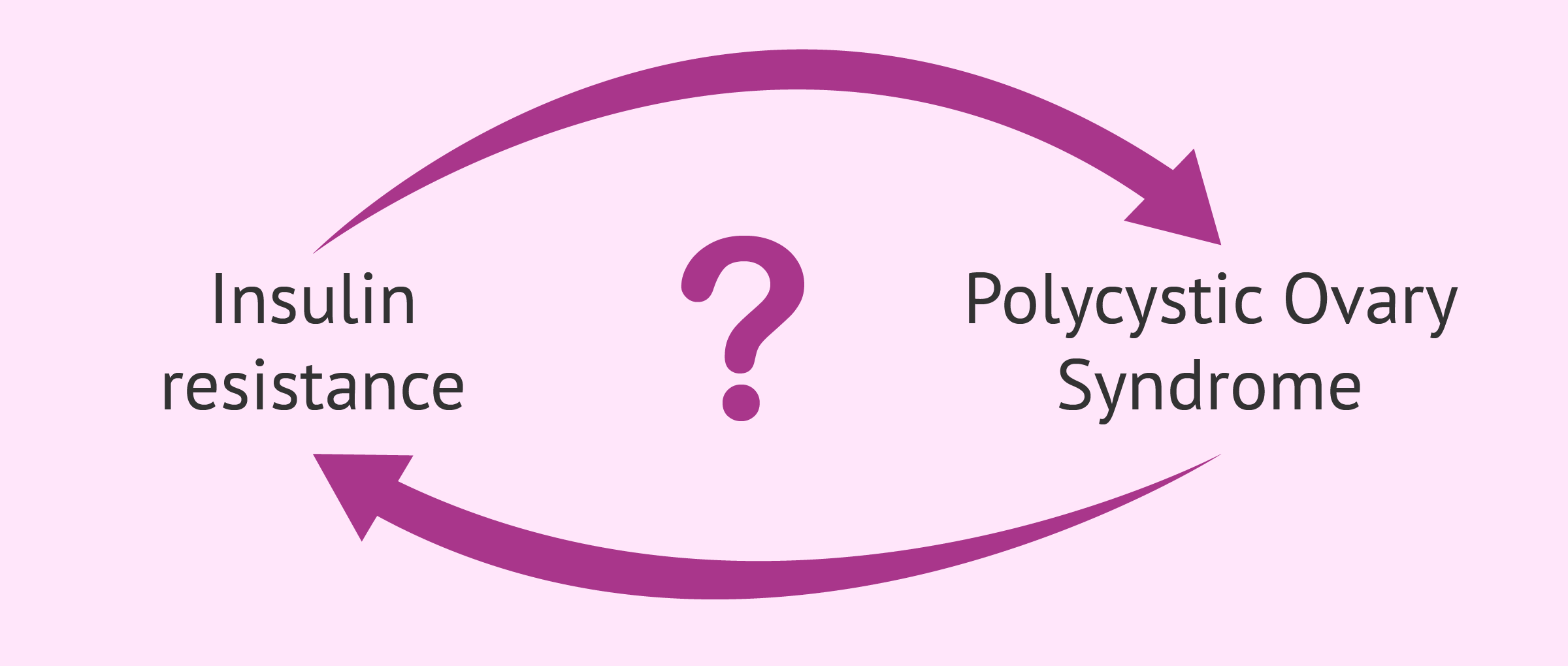
Polycystic Ovary Syndrome (PCOS) is a common hormonal disorder affecting many women of reproductive age. While symptoms like irregular periods, weight gain, and excessive hair growth are well-known, one critical aspect often goes unnoticed: hidden insulin resistance. Insulin resistance plays a significant role in the development and progression of PCOS, yet it can remain undetected due to subtle or absent symptoms. Understanding these hidden signs is essential for early diagnosis and effective management, helping to reduce long-term health risks associated with the condition. the less obvious indicators of insulin resistance in women with PCOS and why recognizing them matters.
You might think insulin resistance is just about high blood sugar — but in ovarian syndrome (PCOS) it hides in plain sight. Many women go years without realizing they’re living with metabolic disruption that quietly worsens symptoms and long-term health risks.
Beyond the usual signs, there are subtle, overlooked clues that insulin resistance is at play — and understanding them could make all the difference for your health and fertility.
Understanding Insulin Resistance in Ovarian Syndrome
Insulin resistance is when your cells don’t respond effectively to insulin — the hormone that helps move sugar from your bloodstream into your cells. In PCOS, this condition is extremely common, affecting roughly 50–70% of women with the condition, regardless of weight. (SpringerLink)
Rather than obvious blood sugar spikes, many symptoms hide beneath the surface, quietly disrupting hormones and metabolism.
Why These Hidden Symptoms Matter
Because insulin resistance isn’t always obvious, it often goes undiagnosed until:
- You develop prediabetes or type 2 diabetes
- Fertility challenges persist despite treatment
- Weight loss feels impossible
- Other PCOS symptoms worsen
Recognizing these subtle clues early can help you take control of your metabolic health before it leads to more serious complications.
How Insulin Resistance Hides in Ovarian Syndrome
Some PCOS symptoms overlap with insulin resistance — so let’s break down which signs are especially telling.
Classic and Hidden Insulin Resistance PCOS Symptoms (with Quick Notes)
| Symptom | What It Reflects | Why It’s Often Missed |
|---|---|---|
| Dark, velvety skin patches (Acanthosis nigricans) | Elevated insulin affecting skin cells | Often mistaken for benign skin tone variation |
| Skin Tags | Insulin stimulation of skin growth | Dismissed as cosmetic rather than metabolic |
| Persistent cravings for sugar or carbs | Body can’t use glucose properly, triggering hunger | Seen as poor diet choices instead of a symptom |
| Fatigue or “brain fog” after meals | Fluctuating blood sugar and inefficient energy use | Written off as stress or busy life |
| Difficulty losing weight despite efforts | Insulin promotes fat storage, especially belly fat | Frustration tends to get blamed on willpower |
| Unusual hunger soon after eating | Reactive blood sugar swings | Misunderstood as not eating enough |
| Abnormal fat distribution (apple shape) | Visceral fat linked to metabolic disruption | Normal weight doesn’t rule out IR |
Early Warning Signs Most Women Overlook
1. Dark Patches of Skin
Dark, velvety patches of skin — especially around the neck, armpits, or groin — are a classic sign of insulin resistance, yet many women think it’s just pigmentation or sun damage. This condition is called acanthosis nigricans and is strongly linked to insulin levels that are too high. (dcforms.dc.gov)
2. Skin Tags in Unusual Places
Tiny flaps of skin, especially around folds or creases, can actually reflect elevated insulin prompting extra skin growth. Most people assume skin tags are harmless or cosmetic — but in PCOS they’re often metabolic.
3. Persistent Sugar & Carb Cravings
After meals, your iron-clad willpower might still be no match for cravings. That’s because cells still starve for energy even when blood sugar is high. The brain responds by demanding more sugar — a powerful, often hidden signal of insulin resistance.
4. “After Meal” Fatigue & Brain Fog
If you feel tired or mentally sluggish after eating, it could be a sign your body isn’t handling glucose well. Instead of fueling your cells, sugar lingers, and your brain gets less energy — leading to the all-too-common “post-meal crash.”
5. Difficulty Losing Weight (Especially Belly Fat)
Insulin doesn’t just regulate blood sugar — it drives fat storage. If you follow a healthy diet and exercise but still see stubborn midsection weight, insulin resistance may be the invisible culprit.
When Blood Tests Can Be Misleading
One of the most frustrating aspects is that standard blood sugar measurements — like fasting glucose or A1c — can appear normal even when insulin resistance is present. That’s because insulin resistance often starts with compensatory high insulin rather than high glucose.
Many women with PCOS have normal glucose readings but elevated insulin levels that remain unnoticed without specific testing.
What Medical Experts Say
Medical research emphasizes that insulin resistance is not just a cosmetic or weight problem — it’s a core metabolic issue in PCOS. Studies show insulin resistance can occur even in women who aren’t visibly overweight, and it contributes directly to hormonal imbalance and ovulatory dysfunction.
In fact, PCOS is strongly linked with elevated insulin and metabolic dysfunction more than many clinicians realize — which is why spotting subtle signs early is crucial.
Lifestyle Factors That Worsen Hidden Symptoms
Insulin resistance doesn’t develop overnight — it’s fueled by lifestyle, stress, diet, and activity patterns that most women don’t associate with PCOS.
Common environmental contributors include:
- Diets high in sugar and processed carbs
- Sedentary lifestyle or low physical activity
- Stress and elevated cortisol
- Disrupted sleep cycles
These factors don’t just affect weight — they impact how insulin signals cells, hormones fluctuate, and metabolism works.
When to See a Doctor
If you notice several of the symptoms above, it’s worth talking to your clinician about:
- Measuring fasting insulin levels
- Doing an oral glucose tolerance test (OGTT)
- Checking lipid levels and triglycerides
- Discussing metabolic health, not just weight
Early action on insulin resistance may improve:
- Fertility and ovulation
- Hormonal balance
- Energy levels
- Weight control
- Long-term metabolic risk
Hidden Signs Checklist
Do you have any of these?
✅ Dark skin patches
✅ Skin tags
✅ Constant hunger after meals
✅ Sugar cravings
✅ Fatigue/brain fog
✅ Belly weight that won’t budge
✅ Frequent thirst or urination
If yes, it’s time to look deeper than a standard panel — and never ignore these signals again.
👩⚕️ Final Thoughts
Insulin resistance in ovarian syndrome is far more than a lab value — it’s a silent disruptor that can undermine your well-being long before diabetes or obvious symptoms appear.
Recognizing hidden signs, understanding their link to metabolic health, and acting early can dramatically change your PCOS journey.
Call to Action:
👉 Share this with someone who needs to know these hidden signs.