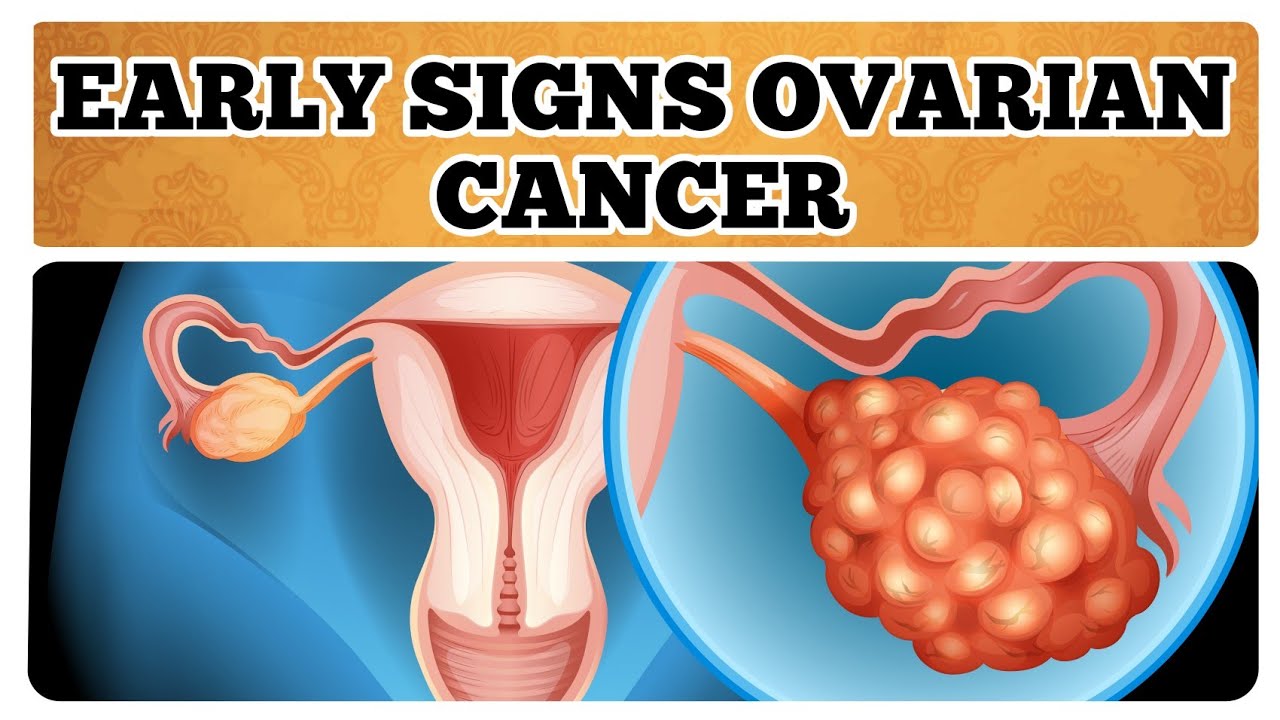
Ovarian cancer is often called the “silent killer” because its early symptoms can be subtle and easily mistaken for common everyday issues. Many women tend to ignore these warning signs, attributing them to stress, aging, or other less serious conditions. However, recognizing these early symptoms is crucial for timely diagnosis and treatment. In this article, we’ll uncover the most common early signs of ovarian cancer that many women overlook, empowering you to take charge of your health and seek medical advice when necessary.
What Your Body Might Be Trying to Tell You (Before It’s Too Late)
Have you ever brushed off bloating, unexplained fatigue, or a persistent tummy ache as “just stress” or “just aging”?
You’re not alone — and that’s exactly why ovarian cancer is often diagnosed far too late.
Most women hear about ovarian cancer in its late stages — when symptoms are unmistakable. But what if the very first whispers of this disease are happening inside your body right now, and you’re ignoring them?
Today, doctors finally speak out about the unbelievable early ovarian cancer signs most women ignore, because awareness — early awareness — saves lives.
Why Early Signs Are So Easy to Miss
Unlike breast cancer or cervical cancer, ovarian cancer doesn’t have a widely recommended routine screening test. That means women often experience symptoms that are:
- Vague
- Easily attributed to everyday life
- Dismissed as digestive issues or stress
This “silent” nature is why only about 20–25% of ovarian cancers are found early, when treatment success is highest.
Early detection can drastically improve five-year survival rates — up to 94% when caught in stage I. (Medicine.com)
What Doctors Mean by “Early Ovarian Cancer Signs”
Broadly, experts say early ovarian cancer signs are not dramatic — they’re subtle shifts. According to the latest medical sources, these signs include:
- Persistent bloating or swelling
- Abdominal or pelvic discomfort
- Changes in eating patterns
- Urinary frequency or urgency
Let’s unpack them one by one.
Table: Early Ovarian Cancer Signs Most Women Ignore
| Symptom Category | How it Feels | Why It’s Easy to Ignore |
|---|---|---|
| Persistent Bloating | Constant fullness, pressure | Often mistaken for gas or food intolerance (Healthline) |
| Abdominal Pain | Dull ache, cramps | Similar to menstrual pain or IBS |
| Feeling Full Quickly | Hard to finish meals | Blamed on diet changes or stress |
| Urinary Changes | Frequent urge, urgency | Often misread as bladder infection |
| Fatigue & Back Pain | Persistent tiredness | Attributed to lifestyle, not disease |
1. Persistent Bloating — Not Just “Gas”
Most women experience bloating now and then — but ovarian cancer bloating feels different.
- It doesn’t go away
- It feels like pressure or fullness
- Your belly may actually look bigger
This happens because fluid can build up around the abdomen as cancer cells spread. It’s one of the most commonly reported early symptoms, yet easily ignored because it mimics everyday digestive discomfort.
2. Abdominal or Pelvic Pain — Harder Than “Normal Cramping”
Discomfort or pain in the lower abdomen or pelvis is another early sign that often gets dismissed. For many women, the sensation might feel like:
- A deep ache
- Pressure
- Menstrual-like cramps
But ovarian cancer pain won’t go away after a few days — and it shouldn’t be ignored.
3. You Get Full Fast — Even With Small Meals
This is one of the sneakiest warning signs.
Have you ever felt unusually full after just a few bites?
If so, that’s called early satiety — and it’s linked to abdominal changes from ovarian cancer tumors or fluid buildup.
This symptom is so subtle many women chalk it up to:
- Old age
- Stress
- Diet changes
But persistent early satiety over weeks deserves a doctor visit.
4. Frequent Urination or Urgency — More than a Bladder Issue
Do you suddenly feel the need to pee more often than usual?
That could be unrelated to hydration — and it could be connected to ovarian cancer. If a growing mass presses on your bladder, you’ll feel it.
These urinary changes are so easy to misinterpret that many women think they have a urinary tract infection, not cancer.
5. Other Sneaky Signs to Watch For
These early signals may not make headlines — but they’re worth listening to:
- Unexplained fatigue — feeling wiped out without reason
- Back pain — especially low back pain that won’t quit
- Changes in bowel habits — unexpected constipation or diarrhoea
None of these individually means cancer — but in combination, especially if persistent, they should raise red flags.
Why Women Miss These Signs (And What Experts Recommend)
Doctors suggest women often overlook symptoms because:
- They resemble common conditions (IBS, bloating, stress)
- Symptoms are subtle early on
- Women are taught to “tough it out”
But research indicates that awareness is crucial — and that self-advocacy matters.
Here’s what every woman can do:
Track symptoms: Write down what changes and how often
Note persistence: If symptoms occur more than 12 times a month, it’s significant
Talk to your doctor: Don’t be afraid to specifically mention ovarian cancer concerns
Know your baseline: What’s normal for you matters
Real Life — Why These Signs Aren’t “Just Normal”
These symptoms are unfortunately the reason many women don’t get diagnosed until cancer has spread. According to Mayo Clinic researchers:
Most ovarian cancers are diagnosed at a later stage precisely because early symptoms look like everyday annoyances.
That’s why listening to your body could be the difference between early detection and advanced disease.
When to Seek Medical Help
Make an appointment if you notice:
- Persistent bloating lasting more than a few weeks
- Abdominal or pelvic discomfort that doesn’t go away
- Multiple subtle symptoms occurring together
- Symptoms worsening over time
Your doctor can examine, order imaging, and determine if further tests like ultrasound or blood markers are needed.
Understanding the Hard Truth — But There’s Hope
Ovarian cancer can be confusing — and the early signs sneaky — but awareness is increasing, and new research looks promising.
For instance, scientists are developing blood tests that detect ovarian cancer earlier and more accurately than before, a breakthrough that could change detection in the future.
Conclusion — Don’t Ignore What Your Body Tells You
If something feels off and persistent, take it seriously.
Early ovarian cancer signs are often unbelievable because they’re so human — bloating, fullness, bathroom changes. But those “minor inconveniences” can be early warnings that something major is happening underneath.
Listen closely. Advocate for yourself. Talk to your doctor if these symptoms are new, unusual, or ongoing.
Your life — and your health — may depend on it.
Call to Action
Liked this article? Share it with the women you care about — because awareness saves lives.
Read More: Get our Ultimate Guide to Women’s Cancer Symptom Awareness.