Stroke remains one of the leading causes of death and long-term disability worldwide. Each year, millions of people suffer from strokes, which can have devastating impacts on their health, independence, and quality of life. While some risk factors for stroke, such as age and genetics, are beyond our control, many others are directly influenced by our lifestyle choices. By adopting healthier habits, you can significantly reduce your risk of stroke and improve your chances of recovery if one occurs. In this comprehensive blog post, we explore ten essential lifestyle changes that can help prevent stroke and support rehabilitation.
Maintain a Healthy Diet
A balanced, nutrient-rich diet is fundamental to stroke prevention. Diets high in saturated fats, trans fats, cholesterol, and sodium increase the risk of high blood pressure and atherosclerosis, both of which contribute to stroke. Emphasize the following dietary habits:
- Increase intake of fruits and vegetables, which provide antioxidants, fiber, and essential vitamins.
- Choose whole grains over refined grains to stabilize blood sugar and improve heart health.
- Opt for lean protein sources such as fish, poultry, legumes, and nuts.
- Limit consumption of processed foods, sugary beverages, and excessive salt.
- Incorporate healthy fats, such as those found in olive oil, avocados, and fatty fish rich in omega-3 fatty acids.
The Mediterranean diet is an excellent model for stroke prevention, as it focuses on plant-based foods, healthy fats, and moderate protein intake.
Engage in Regular Physical Activity
Physical inactivity is a significant risk factor for stroke. Regular exercise helps control weight, lower blood pressure, reduce cholesterol levels, and improve insulin sensitivity. Aim for at least 150 minutes of moderate-intensity aerobic exercise per week, such as brisk walking, swimming, or cycling.
In addition to cardiovascular benefits, exercise improves circulation and promotes brain health by enhancing neuroplasticity—the brain’s ability to reorganize and heal after injury. For stroke survivors, tailored rehabilitation exercises can restore mobility and function.
Control Blood Pressure
High blood pressure (hypertension) is the leading cause of stroke. Even slightly elevated readings increase stroke risk significantly. Regular monitoring and management of blood pressure are crucial for prevention.
Lifestyle modifications such as reducing salt intake, maintaining a healthy weight, limiting alcohol, managing stress, and exercising regularly can help lower blood pressure. In some cases, medications prescribed by healthcare providers are necessary to keep hypertension under control.
Manage Diabetes Effectively
Diabetes increases the risk of stroke by contributing to blood vessel damage and promoting atherosclerosis. Maintaining good blood sugar control through diet, medication, and lifestyle changes is essential.
Regular monitoring of blood glucose levels, adherence to prescribed treatments, and adopting healthy habits—such as physical activity and balanced nutrition—can reduce complications and protect vascular health.
Avoid Tobacco Use
Smoking is a powerful risk factor for stroke because it damages blood vessels, raises blood pressure, and accelerates clot formation. Quitting smoking dramatically lowers stroke risk, even for long-term smokers.
Support is available through counseling, medication, and support groups to help individuals quit smoking successfully. Avoiding secondhand smoke exposure is also important for reducing risk.
Limit Alcohol Consumption
Excessive alcohol intake increases blood pressure and the risk of stroke. While moderate alcohol consumption may have some cardiovascular benefits, drinking in excess is harmful.
The American Heart Association recommends limiting alcohol to no more than one drink per day for women and two drinks per day for men. Abstaining from alcohol altogether may be advisable for individuals with other stroke risk factors.
Maintain a Healthy Weight
Obesity and overweight raise the risk of stroke by increasing blood pressure, cholesterol, and diabetes risk. Achieving and maintaining a healthy weight through diet and exercise reduces these risk factors.
Focus on gradual, sustainable weight loss by adopting healthy eating patterns and increasing physical activity. Avoid fad diets or extreme measures that are difficult to maintain long-term.
Manage Stress and Mental Health
Chronic stress, anxiety, and depression can contribute to stroke risk through physiological effects such as elevated blood pressure and unhealthy behaviors like smoking or overeating.
Incorporate stress management techniques into daily life, such as mindfulness meditation, deep breathing exercises, yoga, or engaging in hobbies. Seeking professional help for mental health concerns is important for overall well-being and stroke prevention.
Get Regular Medical Checkups
Routine health screenings help identify and manage risk factors like hypertension, high cholesterol, and diabetes before they lead to stroke. Regular checkups provide opportunities to discuss lifestyle habits and adjust treatment plans as needed.
For those with a history of stroke or transient ischemic attacks (TIAs), following up with healthcare providers ensures optimal secondary prevention strategies and rehabilitation support.
Participate in Rehabilitation After Stroke
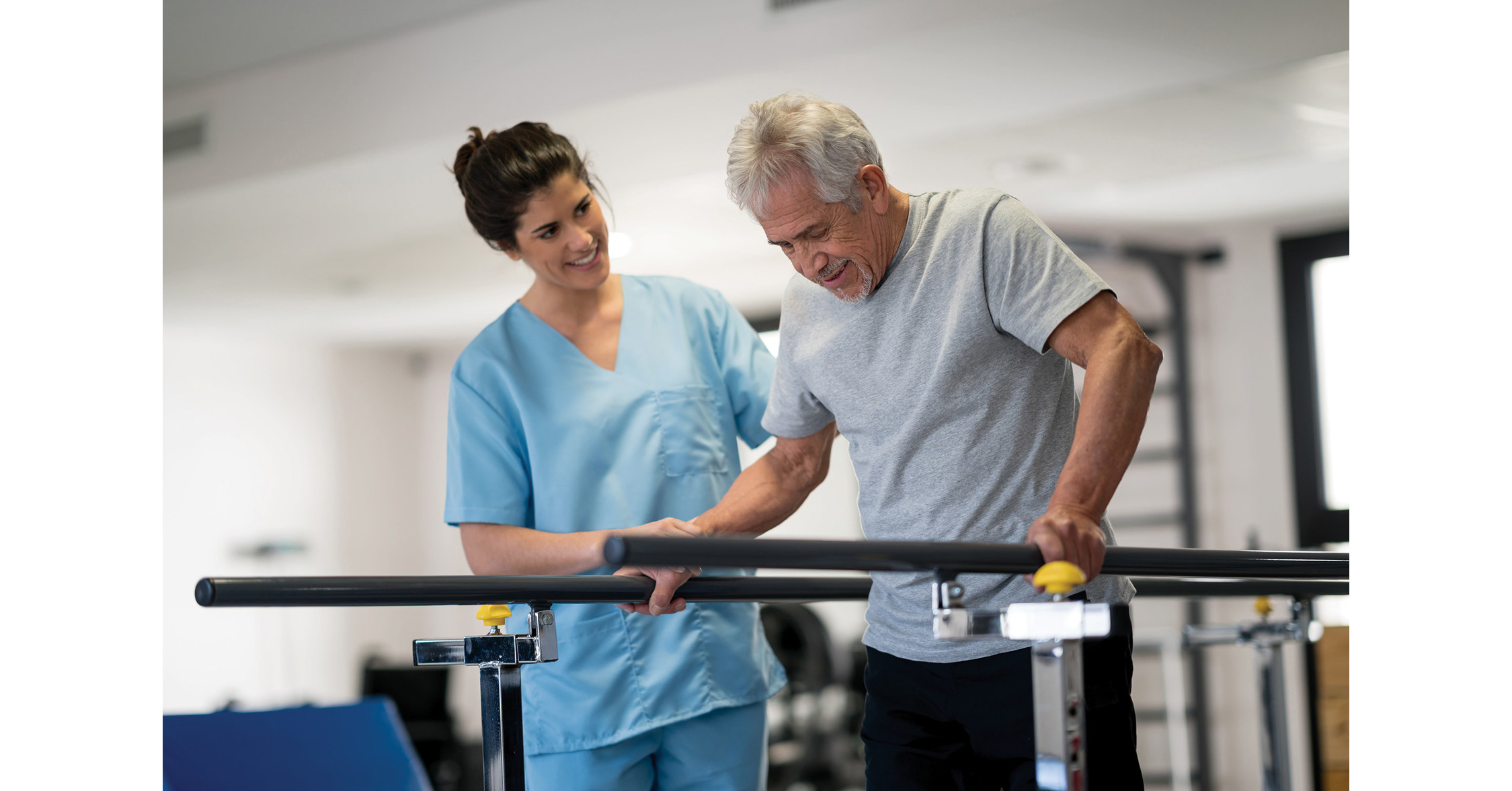
For individuals who have experienced a stroke, rehabilitation is critical for recovery and preventing recurrence. Rehabilitation focuses on regaining physical abilities, speech, cognitive skills, and emotional well-being.
A multidisciplinary team—including physical therapists, occupational therapists, speech-language pathologists, and psychologists—works together to create personalized recovery plans. Incorporating the lifestyle changes mentioned above into rehabilitation maximizes recovery potential and reduces the chance of another stroke.
Conclusion
Stroke prevention and rehabilitation are achievable goals through deliberate lifestyle choices. By adopting a healthy diet, engaging in regular exercise, controlling blood pressure and diabetes, avoiding tobacco and excessive alcohol, maintaining a healthy weight, managing stress, and staying connected with healthcare providers, you can significantly reduce your stroke risk.
If a stroke does occur, timely and comprehensive rehabilitation is essential for regaining independence and improving quality of life. Remember, prevention is always better than cure, and small changes can lead to profound health benefits.
Take charge of your health today by implementing these ten lifestyle changes—your brain and body will thank you for years to come.