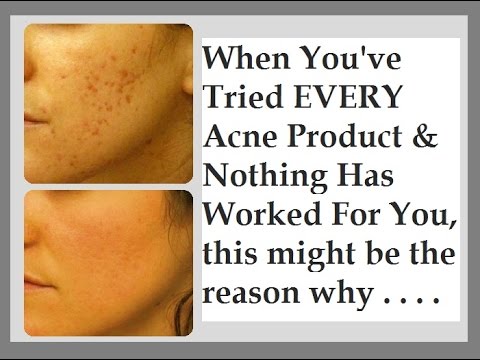
The Shocking Reason Your Acne Won’t Clear No Matter What You Try If you’ve tried countless creams, cleansers, and treatments but your acne stubbornly refuses to clear up, you’re not alone. Many people face this frustrating battle, often feeling like they’ve exhausted every option. But what if the reason your acne won’t budge isn’t just about what you’re putting on your skin? The truth might be more surprising—and more fixable—than you think. the shocking underlying cause that could be sabotaging your efforts and reveal effective strategies to finally achieve the clear skin you deserve.
You’ve washed, exfoliated, tried every “miracle” product on TikTok, and even switched cleansers twice this week — yet those stubborn pimples keep marching back like uninvited guests. What if the reason your acne won’t clear isn’t what you think? What if every product you’ve relied on has been attacking the symptoms — not the real cause?
For millions of acne sufferers, this hidden trigger is the invisible force that keeps flare-ups alive even after months (or years) of dedicated skincare routines.
Why Your Acne Still Lingers
If you’ve ever wondered “Why is my acne not going away?”, you’re not alone. Not clearing acne isn’t a sign of personal failure — it’s often a sign that you’re fighting the wrong problem. Most over-the-counter treatments focus on killing bacteria, unclogging pores, or reducing oil, but that’s only part of the story. When these methods fail, the acne persists — and leaves you frustrated, confused, and desperate for answers.
Dermatologists stress that acne is a multifactorial disease — but one hidden trigger often gets overlooked in mainstream advice: internal imbalances that never get addressed with topical products alone. (Setu Nutrition)
The Hidden Trigger: Not Just Skin Deep
Let’s be clear: acne is influenced by external factors like cleansers and products, but for many people — especially adults — the breakthrough starts inside the body.
Most acne treatments on shelves aim at:
- Reducing bacteria
- Unclogging pores
- Reducing oil production
- Calming surface inflammation
But what if your acne is being driven by something deeper that these products don’t touch at all?
The Internal Imbalance That Changes Everything
The real shock? A growing body of research links persistent acne to internal systemic triggers — including:
- Hormonal imbalances
- Gut health disruption
- Blood sugar and insulin resistance
- Chronic inflammation
These factors create an environment where acne can’t resolve, no matter what you apply to your skin.
Doctors are finally acknowledging that acne is rarely just a surface problem.
Hidden Trigger #1 — Hormonal Imbalance: The Invisible Acne Driver
Many people still assume acne is a teenage problem — tied strictly to puberty. That’s no longer true.
Adult acne — particularly around the jawline and chin — is strongly linked to hormonal fluctuations. And this isn’t just about teenage hormones.
Key hormonal factors linked to stubborn acne include:
- Androgens (male-type hormones)
- Monthly menstrual fluctuations
- Polycystic Ovary Syndrome (PCOS)
- Cortisol from stress
- Insulin spikes linked to diet
These hormones significantly impact sebum production — the oily substance that feeds acne bacteria and blocks pores. Why Hormones Cause Long-Term Breakouts
When hormones are imbalanced:
- Oil glands may go into overdrive
- Pores become clogged more easily
- Inflammation increases
- Acne becomes cyclical and resistant to surface treatments
Even the best topical products can’t fully control these deep biological triggers. That’s why many people keep breaking out despite treatments that should work. This dynamic isn’t taught in every skincare blog — but it’s a real medical reason dermatologists see again and again.
Hidden Trigger #2 — Your Gut and Skin Are Talking (Even if You Can’t Hear It)
This might seem strange at first: what does your gut have to do with acne?
The answer: everything.
Emerging clinical research now recognizes a powerful gut-skin axis, meaning the digestive tract and skin influence each other through inflammatory pathways. When the gut is out of balance, systemic inflammation increases — and acne worsens.
How Poor Gut Health Fuels Acne
Poor gut health can:
- Increase systemic inflammation
- Disrupt hormone regulation
- Reduce nutrient absorption
- Promote insulin resistance
In other words, acne isn’t just happening on the skin. It’s happening because of imbalance inside the body.
This is why two people with similar skin types can use the exact same products — and one clears up while the other’s acne persists.
Hidden Trigger #3 — Insulin, Sugar Spikes, and Acne
Here’s another shocker: acne isn’t always caused by oil or bacteria alone. Blood sugar and insulin levels play a huge role in acne formation.
When you eat foods that spike your blood sugar:
- Insulin increases
- Androgens increase
- Sebum production rises
- Acne worsens
This cycle is one reason why some people see noticeable changes when they adjust their diet.
Table: How Internal Factors Drive Acne (Compared to Surface Causes)
| Trigger Category | How It Affects Acne | Why Topical Treatments Often Fail |
|---|---|---|
| Hormones | Drives sebum production & inflammation | Surface products can’t regulate hormones |
| Gut Health | Increases systemic inflammation | Surface treatments don’t address internal inflammation |
| Insulin/Sugar | Raises androgen levels & oil production | Topicals don’t influence blood sugar levels |
| Lifestyle Stress | Increased cortisol worsens acne | Skincare products don’t reduce stress hormones |
This table highlights why so many people feel stuck — they’re treating the surface but not the cause.
Common Mistakes That Make Acne Worse (Even If You’re Trying Hard)
You may be unintentionally sabotaging your results without realizing it.
1. Changing Products Too Often
Dermatologists warn that switching products constantly can irritate sensitive skin more than help it. Acne treatment often takes 4–6 weeks to show improvement — and sometimes up to three months.
2. Over-Washing or Scrubbing
Trying to “cleanse better” by washing or scrubbing harder actually strips your skin and forces it to produce more oil.
3. Popping and Picking Pimples
This spreads bacteria and inflammation, delaying healing and increasing scarring risk.
4. Product Overload
Using too many actives (like benzoyl peroxide, salicylic acid, retinoids) at once can overwhelm your skin and damage your barrier. This paradoxically worsens acne.
What Dermatologists Say About Persistent Acne
If your acne hasn’t cleared despite a careful routine, professional guidance can make a huge difference.
When to See a Dermatologist:
- Acne hasn’t improved after 3 months of consistent treatment
- You experience painful cysts or scarring
- OTC products irritate or don’t work
A dermatologist may recommend:
- Prescription topical treatments
- Oral medications
- Hormone-balancing therapies
- Targeted treatments like isotretinoin for severe acne
Dermatology care isn’t just about stronger products — it’s about diagnosing the right cause.
Acne Won’t Clear How to Address the Hidden Causes and Finally See Change
If traditional acne treatments have disappointed you, consider integrating these deeper strategies:
1. Get a Hormone Check
Especially if you’re an adult woman experiencing cyclical acne — hormonal assessments can identify imbalances that topical products won’t fix.
2. Support Gut Health
Improve your microbiome with:
- Probiotic-rich foods
- Anti-inflammatory diet
- Reduced refined sugars
3. Balance Blood Sugar
Avoid high-glycemic foods that spike insulin and drive acne-related hormones.
4. Manage Stress Naturally
Stress increases cortisol, which worsens acne and slows healing. Stress reduction — even simple meditation or sleep improvement — can help.
Conclusion: Acne Won’t Clear Until You Treat the Whole Person
The most shocking truth? Acne isn’t just about what you put on your face — it’s about who you are on the inside. When you only target surface causes, you limit your results. But when you finally address the hidden triggers beneath the skin — hormones, gut balance, lifestyle factors — you open the door to lasting, visible improvement.
You don’t have to live with stubborn acne — but you may need a different approach than you’ve tried so far.
Call-to-Action
If this article helped you understand your acne better, share it with someone who needs to read it. For more science-backed skincare insights and real solutions, read more posts on our blog