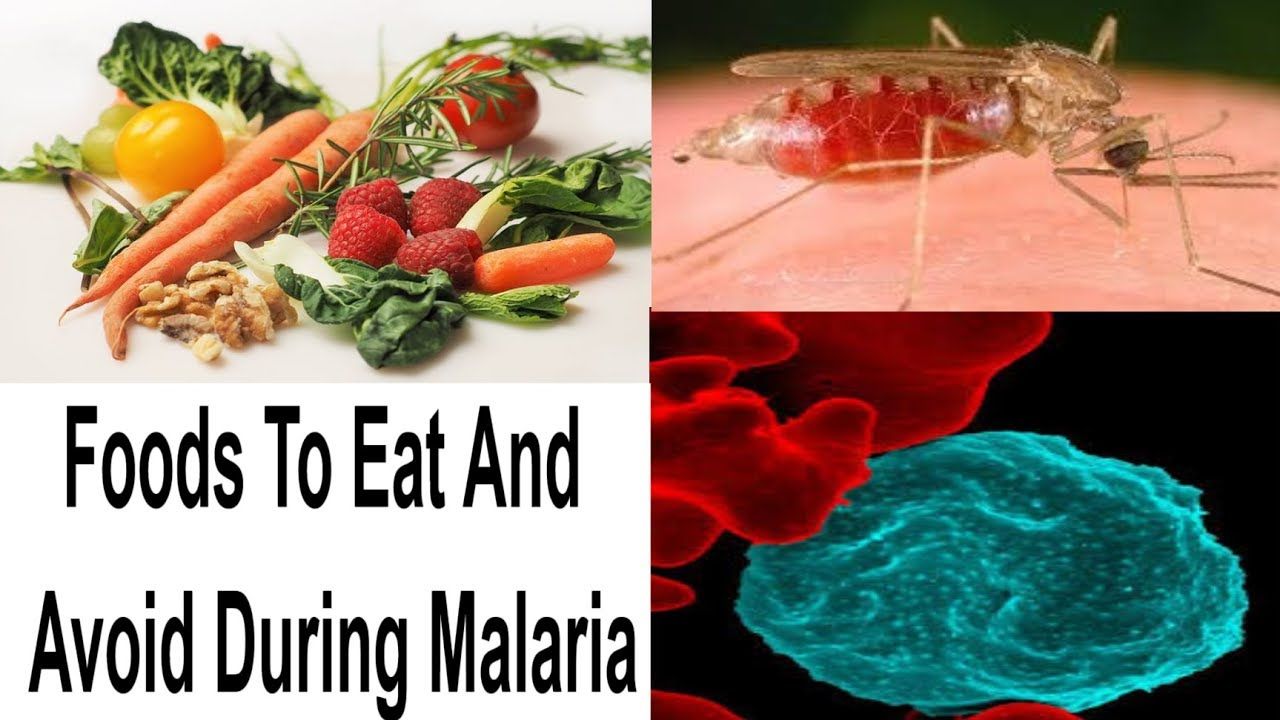
best foods to eat during malaria recovery is a serious illness caused by Plasmodium parasites transmitted through the bites of infected Anopheles mosquitoes. The disease can cause high fever, chills, fatigue, and other debilitating symptoms. Recovery from malaria can take time, and during this period, proper nutrition plays a crucial role in helping the body regain strength, repair tissues, and restore immune function. Eating the right foods can accelerate recovery, reduce complications, and improve overall well-being.
In this blog post, we will explore the best foods to eat during malaria recovery, why they are beneficial, and some practical tips for nourishing your body as you heal.
Understanding Malaria and Its Impact on Nutrition
Malaria affects the body in several ways that can impact nutritional status:
- Loss of appetite and nausea: Many people with malaria experience a reduced desire to eat, making it harder to meet nutritional needs.
- Increased metabolic demands: Fighting infection requires more energy and nutrients.
- Destruction of red blood cells: Malaria causes hemolysis (breaking down of red blood cells), leading to anemia and depletion of iron and other nutrients.
- Immune system strain: The immune response to infection uses vitamins and minerals, which need to be replenished.
- Dehydration: High fever and sweating can cause fluid and electrolyte loss.
Because of these effects, it is important to focus on nutrient-dense, easily digestible foods that support immune function, replenish lost nutrients, and provide adequate energy.
Key Nutrients Needed During Malaria Recovery
Before diving into specific foods, let’s highlight some key nutrients essential for recovery:
- Protein: Helps repair damaged tissues and supports immune cells.
- Iron: Crucial to rebuild red blood cells and combat anemia.
- Vitamin C: Enhances iron absorption and boosts immunity.
- Vitamin A: Supports immune health and tissue repair.
- Zinc: Important for immune function and wound healing.
- B vitamins: Support energy metabolism and red blood cell production.
- Fluids and electrolytes: Prevent dehydration and maintain body functions.
- Complex carbohydrates: Provide sustained energy.
Best Foods to Eat During Malaria Recovery
1. Lean Proteins
Protein is vital for tissue repair and immune system recovery. During malaria, the body’s protein needs increase.
- Sources: Chicken, turkey, fish, eggs, legumes (beans, lentils), tofu, and dairy products.
- Benefits: Protein helps rebuild damaged cells and produces antibodies to fight infection.
- Tips: Include a moderate portion of protein with every meal. For those with nausea, try lighter options like boiled eggs, yogurt, or soups with shredded chicken.
2. Iron-Rich Foods
Malaria causes destruction of red blood cells, leading to anemia. Replenishing iron stores is critical to restore healthy blood.
- Sources: Red meat (in moderation), liver, spinach, kale, beans, lentils, fortified cereals.
- Benefits: Iron is a key component of hemoglobin, which carries oxygen in the blood.
- Tips: Combine iron-rich plant foods with vitamin C sources (like citrus fruits or tomatoes) to enhance absorption. Avoid drinking tea or coffee with meals as they inhibit iron absorption.
3. Vitamin C-Rich Foods
Vitamin C boosts the immune system and helps increase iron absorption from plant foods.
- Sources: Oranges, lemons, strawberries, kiwi, guava, bell peppers, tomatoes.
- Benefits: Antioxidant properties help reduce inflammation and oxidative stress from infection.
- Tips: Include fresh fruits and vegetables daily. A glass of freshly squeezed orange juice can be soothing and nourishing.
4. Complex Carbohydrates
Energy is essential for recovery, and complex carbs provide a steady supply.
- Sources: Whole grains like brown rice, oats, quinoa, whole wheat bread, sweet potatoes.
- Benefits: These foods provide fiber, vitamins, and minerals along with energy.
- Tips: Avoid refined sugars and processed foods that offer empty calories and can undermine immune health.
5. Hydrating Fluids
Dehydration is common with malaria due to fever and sweating.
- Sources: Water, coconut water, herbal teas, broths.
- Benefits: Fluids help regulate body temperature, flush toxins, and maintain electrolyte balance.
- Tips: Sip fluids frequently throughout the day. Avoid caffeinated or sugary drinks.
6. Foods Rich in Vitamin A
Vitamin A supports immune function and helps maintain healthy skin and mucous membranes.
- Sources: Carrots, sweet potatoes, pumpkin, spinach, kale, mangoes.
- Benefits: Enhances the body’s ability to fight infections and repair tissues.
- Tips: Include a variety of colorful vegetables and fruits in your diet.
7. Zinc-Rich Foods
Zinc is essential for immune cell function and wound healing.
- Sources: Meat, shellfish, dairy, nuts, seeds, whole grains.
- Benefits: Supports immune response and helps reduce duration of illness.
- Tips: Include a small handful of nuts or seeds daily, or incorporate seafood if available.
8. Probiotic Foods
Malaria and its treatment can disrupt gut health. Probiotics help restore beneficial gut bacteria.
- Sources: Yogurt, kefir, fermented foods like sauerkraut or kimchi.
- Benefits: Supports digestion and immune function.
- Tips: Choose plain yogurt with live cultures and no added sugars.
Sample Meal Plan for Malaria Recovery
- Breakfast: Oatmeal topped with fresh berries and a spoonful of yogurt; a glass of orange juice.
- Snack: A small handful of nuts and a banana.
- Lunch: Grilled chicken breast with steamed spinach and brown rice; a side of tomato salad.
- Snack: Carrot sticks with hummus.
- Dinner: Lentil soup with sweet potatoes and kale; a glass of coconut water.
- Before bed: Warm herbal tea and a boiled egg.(learn more about malaria recovery nutrition).
Additional Tips for Nutrition During Malaria Recovery
- Eat small, frequent meals: This helps manage nausea and maintains energy levels.
- Rest and hydrate: Proper rest is as important as food for recovery.
- Avoid alcohol and caffeine: These can dehydrate and impair healing.
- Consult a healthcare provider: For severe anemia or nutritional deficiencies, medical supplements may be necessary.
- Focus on food hygiene: Malaria weakens the immune system, so avoid foods that can cause infections.
Conclusion
Recovering from malaria requires patience, rest, and proper nutrition. Incorporating protein-rich foods, iron sources, vitamins A and C, zinc, complex carbohydrates, and plenty of fluids can significantly support the healing process. Prioritizing nutrient-dense, easy-to-digest meals will help rebuild strength, restore immune defenses, and reduce the risk of complications.
Remember, while food is a powerful ally in recovery, it should complement medical treatment prescribed by your healthcare provider. With the right nutrition and care, your body can overcome malaria and regain full health more quickly and effectively.