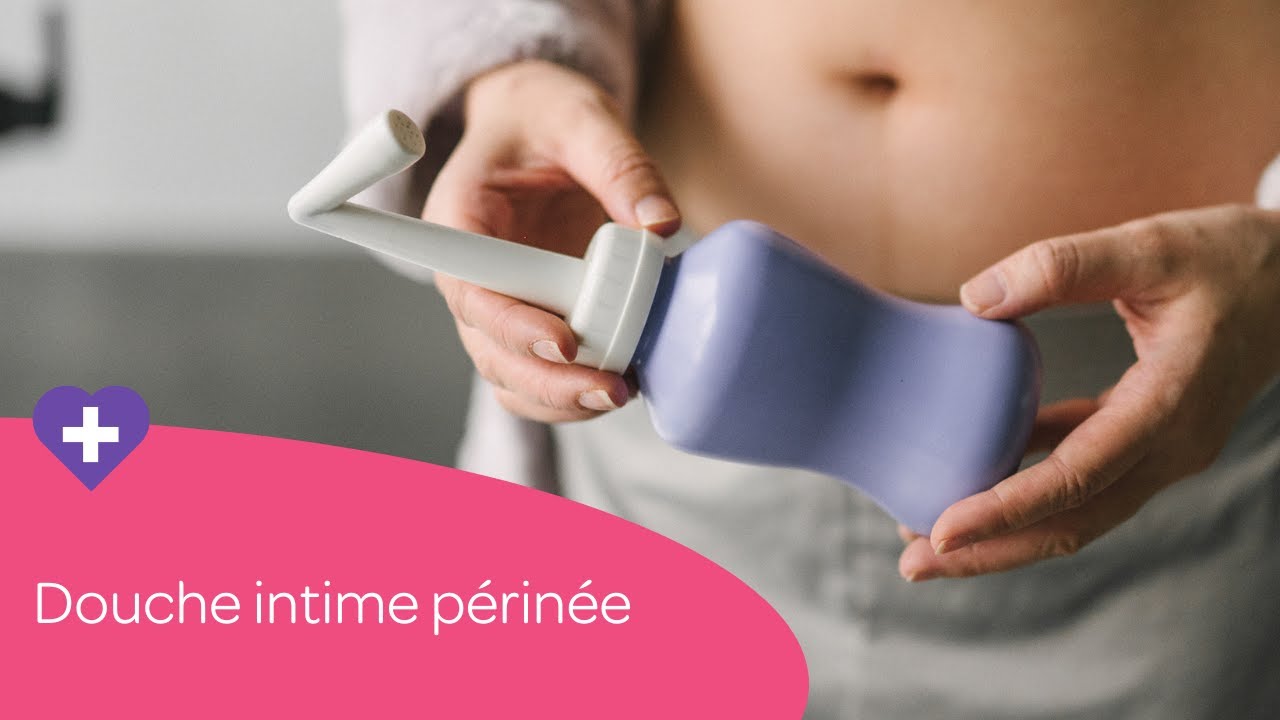
Douching is often marketed as a quick fix for feminine hygiene, but the reality is far more complicated—and concerning—when it comes to your reproductive health. Many women are unaware of the potential risks douching poses to fertility, yet it remains a common practice. the dirty truth about douching, exploring how it can disrupt your natural balance and impact your ability to conceive. It’s time to separate fact from myth and empower yourself with the knowledge you deserve.
What if a hygiene habit you thought was harmless — maybe even helpful — is quietly sabotaging your ability to get pregnant? Most women have never heard this, yet growing evidence suggests it’s true.
If you’ve ever wondered whether douching could affect fertility, this article will reveal the real risks and why doctors urge caution.
Short Answer: Can Douching Really Damage Fertility?
Yes. Multiple medical studies show that women who douche regularly have a lower chance of conceiving naturally compared with women who do not. (MedicineNet)
Why This Topic Matters
Many women douche thinking it helps with:
- Vaginal cleanliness
- Eliminating odor
- Feeling “fresh”
- Post-sex hygiene
Unfortunately, what feels like hygiene can actually disrupt the delicate balance inside the vagina and reproductive tract — with consequences many don’t see until it’s too late.
What Is Douching?
Douching is the practice of flushing the inside of the vagina with a liquid solution. It can involve:
- Plain water
- Water mixed with vinegar, baking soda, or antiseptics
- Commercial feminine hygiene products
Despite what marketing may suggest, doctors generally do not recommend douching for routine hygiene or pregnancy prevention=
The Hidden Link Between Douching and Fertility
Medical research has found a consistent association between douching and reduced fertility:
Evidence from Clinical Studies
- Women who douche were 30% less likely to achieve pregnancy each month compared with non-douchers.
- Regular douching may damage the fallopian tubes or lead to an increased risk of ectopic pregnancy. (MedicineNet)
- Disruption of the vaginal microbiome can allow harmful bacteria to travel up into the uterus, increasing the risk of pelvic inflammatory disease (PID), which is a major contributor to infertility.
How Douching Disrupts Your Body’s Defense
Your vagina naturally cleans itself through secretions and a healthy balance of bacteria — mainly lactobacilli — that help maintain an acidic environment hostile to harmful microbes.
When you douche:
- You wash away good bacteria
- You alter pH balance
- You can allow pathogens to grow unchecked
- You create conditions for infection
These changes increase the risk of:
- Bacterial vaginosis (BV)
- Yeast infections
- Sexually transmitted infections (STIs)
- Pelvic inflammatory disease (PID)
Each of these can interfere with fertility.
Comparison: Natural Vaginal Balance Versus Douching Impact
| Factor | Healthy Natural Environment | After Douching |
|---|---|---|
| Beneficial bacteria | Preserved | Reduced or washed away |
| pH balance | Slightly acidic | Disrupted |
| Infection risk | Lower | Higher |
| Fertility potential | Intact | Compromised |
| Protective mucus | Maintained | Disturbed |
This table highlights how much change douching can cause to internal reproductive defenses.
Surprising Risks You May Not Know
1. Ectopic Pregnancy
Studies show women who douche regularly may have higher odds of ectopic pregnancy, where a fertilized egg implants outside the uterus.
2. Pelvic Infections
Pelvic inflammatory disease (PID) not only causes pain but is a major cause of infertility worldwide.
3. Misleading Masking of Symptoms
Douching can temporarily mask symptoms of an actual infection, delaying diagnosis and treatment — potentially letting a condition worsen.
What Experts Recommend Instead
Doctors and women’s health experts recommend:
- Avoid douching entirely unless directed by a healthcare provider.
- Wash only the external genitalia with mild soap and warm water.
- Monitor unusual discharge or odor and consult a clinician promptly.
- Seek safe fertility evaluation if you have concerns.
Your body’s design already cleans the vagina naturally — no internal flushing required.
Common Myths Debunked
Myth: “Douching Prevents Odor”
Fact: Changing pH and bacteria increases risk of infections, which can cause odor, not prevent it.
Myth: “Douching Helps You Conceive”
Fact: Evidence suggests the opposite — it may delay conception.
Myth: “Water Douching Is Safe”
Fact: Even plain water can disrupt microbiome balance and harm beneficial bacteria.
When Douching Might Be Medically Directed
There are rare clinical situations where internal irrigation is used under medical supervision (e.g., specific surgical prep). These are not the same as at-home douching and should only be done on professional advice.
Final Thoughts
The idea that douching improves hygiene sticks around due to tradition, marketing, and misunderstanding — but science tells a different story. As women strive to protect their reproductive health and fertility, ditching the douche might be one of the best steps you take.
If you are trying to get pregnant, or even just care about your long-term reproductive health, consider leaving this practice behind and focusing on proven strategies for fertility support instead.
Call to Action
If this information surprised you or helped you rethink your routine, please share this post with someone who might benefit. Want more science-backed women’s health insights delivered weekly?