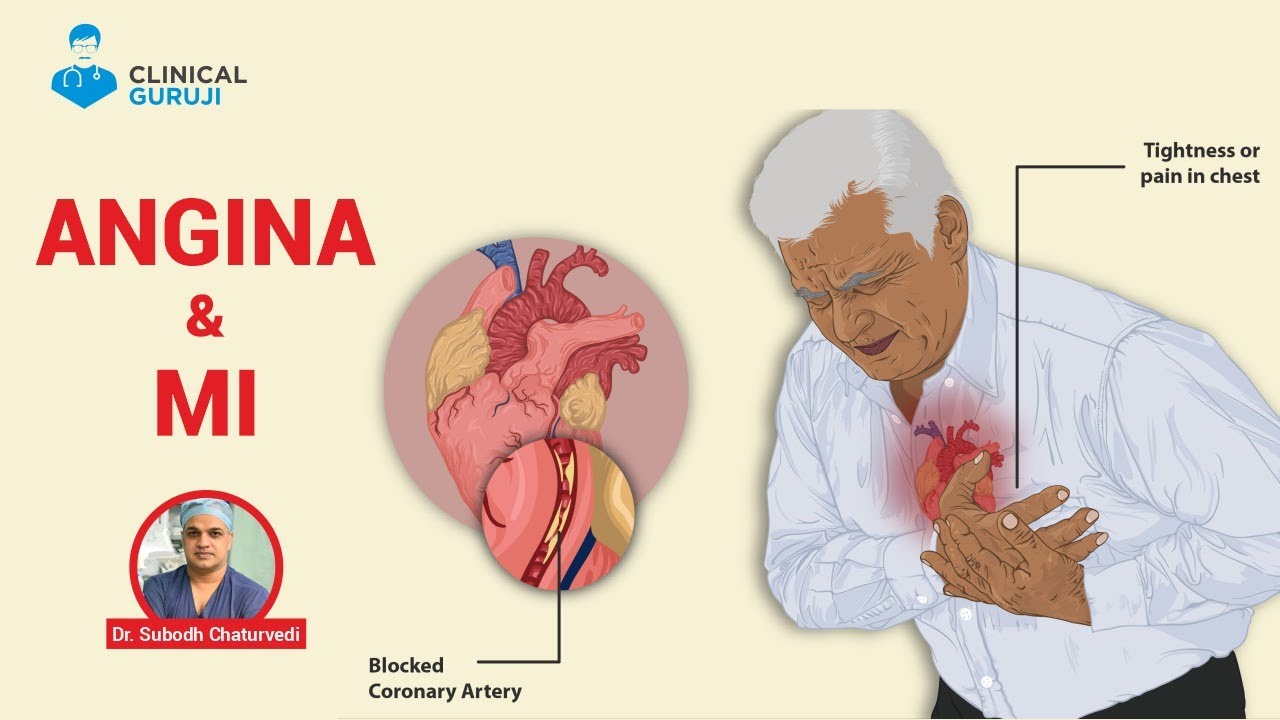
Angina is a common yet often misunderstood warning sign of underlying heart problems. Many people experience early symptoms but tend to ignore or dismiss them, putting their health at serious risk. Recognizing these early angina warning signs can be life-saving, as timely action and medical intervention can prevent more severe heart conditions. the most common early angina symptoms that many overlook, helping you stay informed and proactive about your heart health.
Chest discomfort is easy to dismiss — stress, gas, fatigue, “just one of those days.” But what if that small signal is your heart asking for help?
Many people who later suffer major cardiac events admit the same thing: the warning signs were there — they just didn’t recognize them. Understanding early angina warning signs can be the difference between prevention and emergency.
What Is Angina and Why Early Angina Warning Signs Matter
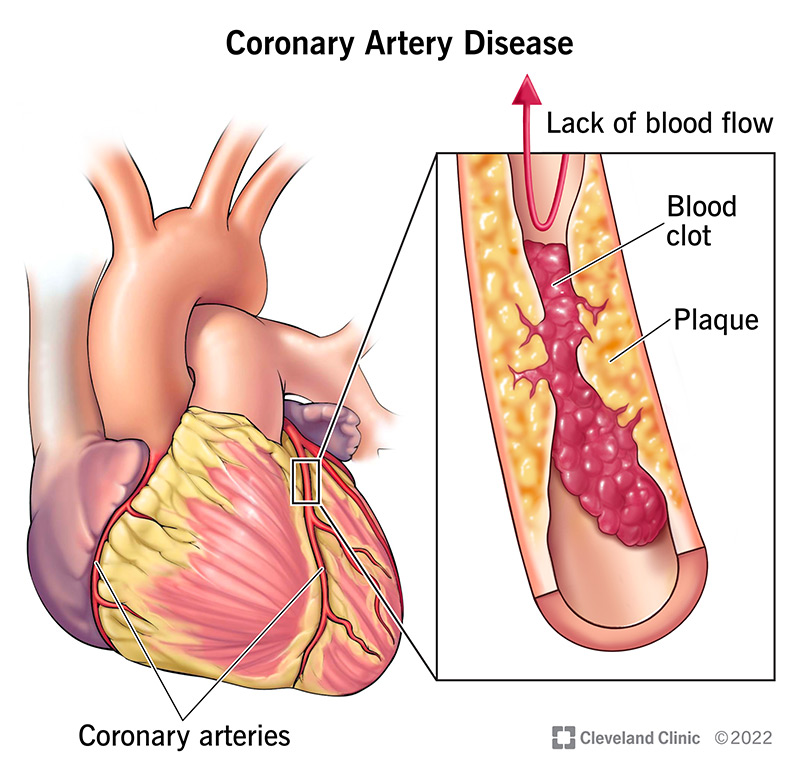
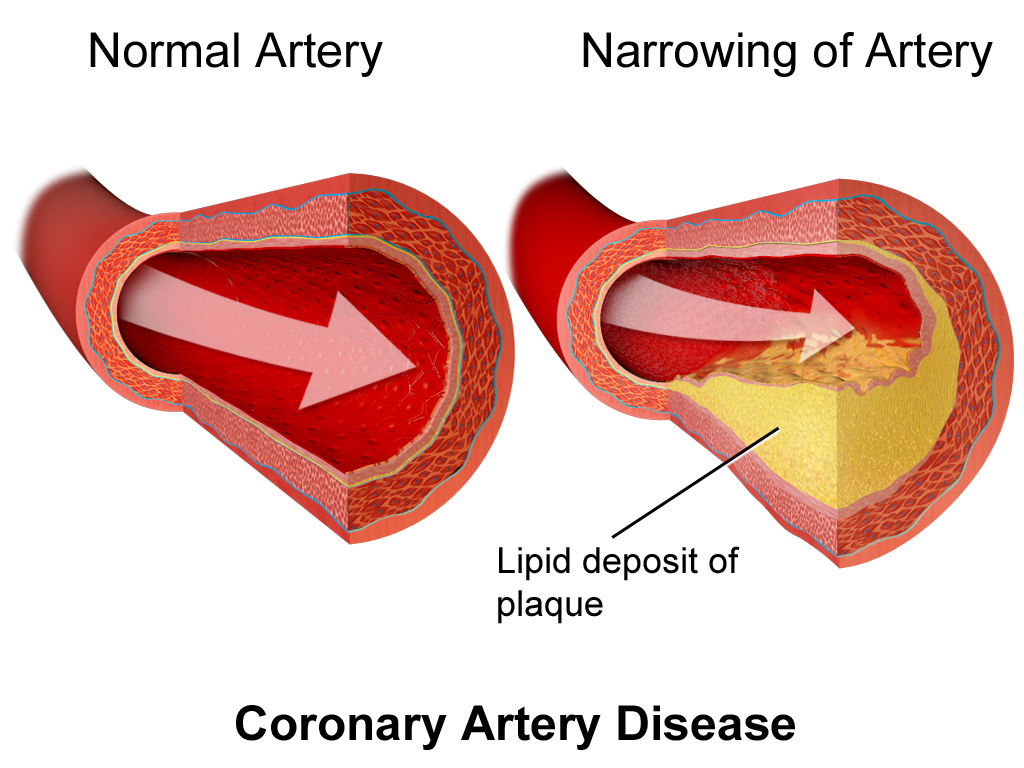
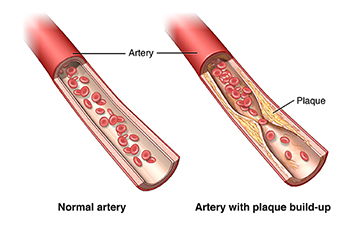
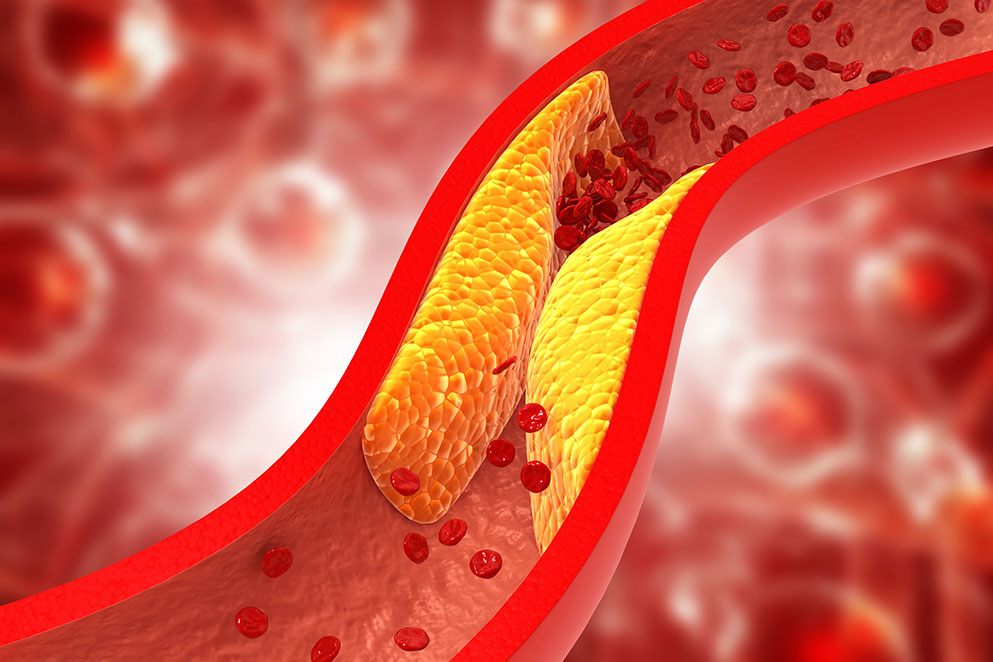
Angina is not a disease itself — it’s a symptom of reduced blood flow to the heart muscle. It often shows up as chest discomfort, pressure, tightness, or burning. The danger is not just the pain — it’s what the pain represents: oxygen deprivation to heart tissue.
The most credible clinical overview of angina symptoms and mechanisms is outlined by the American Heart Association in this detailed resource on shocking angina chest pain warning signs, which explains how early signals often appear subtly before escalation.
What makes this dangerous is simple:
- Early angina warning signs are often mild
- They come and go
- They mimic harmless conditions
- People self-diagnose incorrectly
- Delayed care increases cardiac risk
Angina Warning Signs Doctors Say People Ignore
The classic movie version of heart trouble — crushing chest pain — is not how early angina warning signs usually begin.
Doctors repeatedly observe these overlooked patterns:
- Chest pressure during routine activity
- Tightness when walking uphill
- Burning sensation mistaken for acid reflux
- Shoulder or arm heaviness
- Jaw or neck discomfort
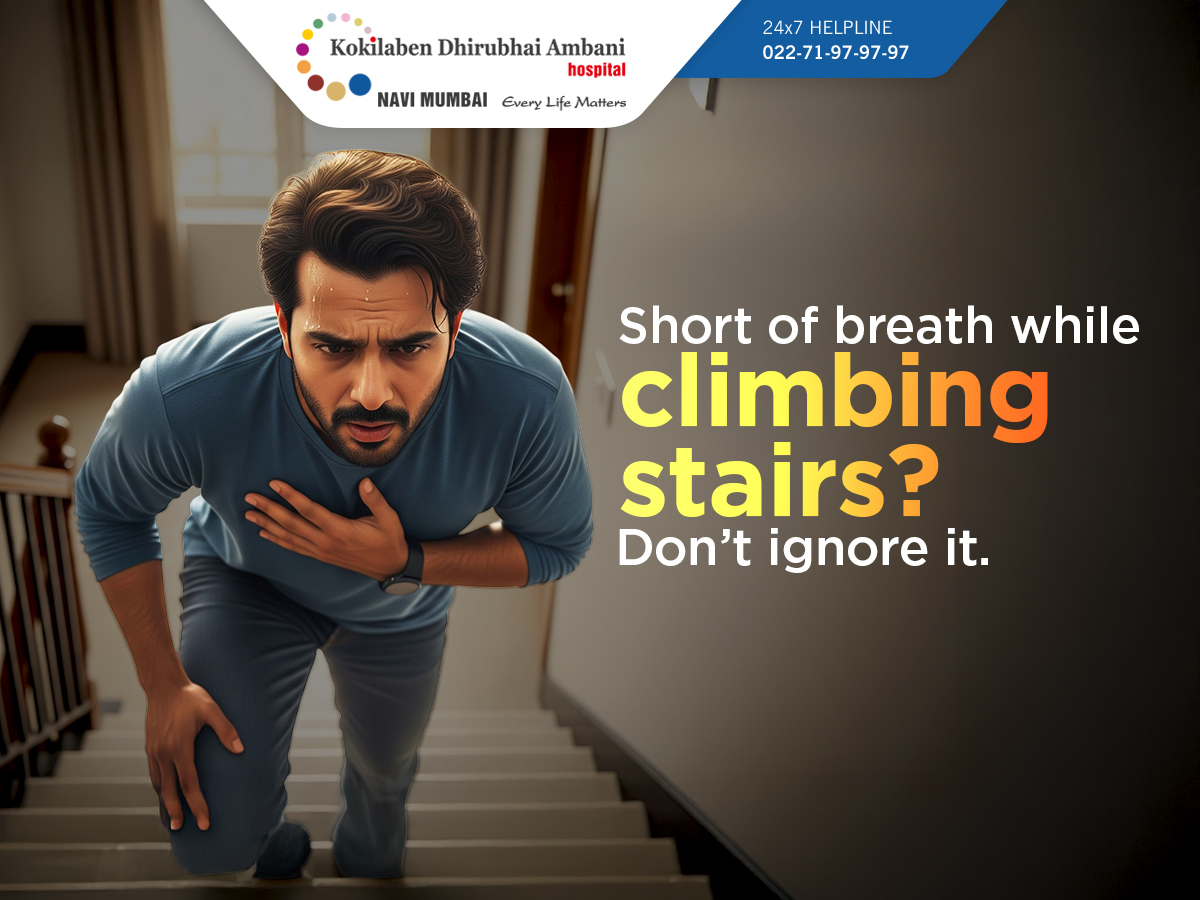
- Breathlessness without clear cause
- Sudden fatigue after light effort
Many patients delay evaluation because:
- “It goes away after I rest”
- “It’s not severe enough”
- “I’m too young”
- “My last checkup was fine”
That delay is the danger zone.
Early Angina Warning Signs vs Normal Chest Discomfort
Understanding the difference helps prevent false reassurance.
| Feature | Early Angina Warning Signs | Common Non-Cardiac Chest Pain |
|---|---|---|
| Trigger | Physical or emotional stress | Random or position-related |
| Relief | Improves with rest | Often unchanged |
| Sensation | Pressure, squeezing | Sharp or stabbing |
| Duration | Minutes | Seconds or hours |
| Spread | Arm, jaw, neck, back | Usually localized |
| Pattern | Reproducible with exertion | Inconsistent |
When symptoms follow a repeatable exertion pattern, doctors become more concerned.
During Everyday Activities
Many people expect danger during intense workouts. In reality, early angina warning signs often appear during ordinary routines:
- Walking fast to catch transport
- Climbing stairs
- Carrying groceries
- Emotional arguments
- Cold weather exposure
- Heavy meals
That’s because the heart suddenly needs more oxygen — and narrowed arteries cannot keep up.
Hidden Early Angina Warning Signs Without Chest Pain
Here’s what surprises many readers: not all early angina warning signs include chest pain.
Clinicians often see these atypical presentations:
- Unexplained nausea
- Sudden sweating
- Lightheadedness
- Indigestion-like discomfort
- Back pressure
- Arm weakness
- Throat tightness
- Extreme fatigue
This is especially common in:
- Women
- Older adults
- People with diabetes
A well-structured clinical breakdown appears in this surprising angina symptoms guide, which highlights non-classic symptom patterns doctors watch for.
Signs in Women (Frequently Missed)
Women are more likely to experience non-classic early angina warning signs, which leads to misdiagnosis.
Common female-pattern symptoms include:
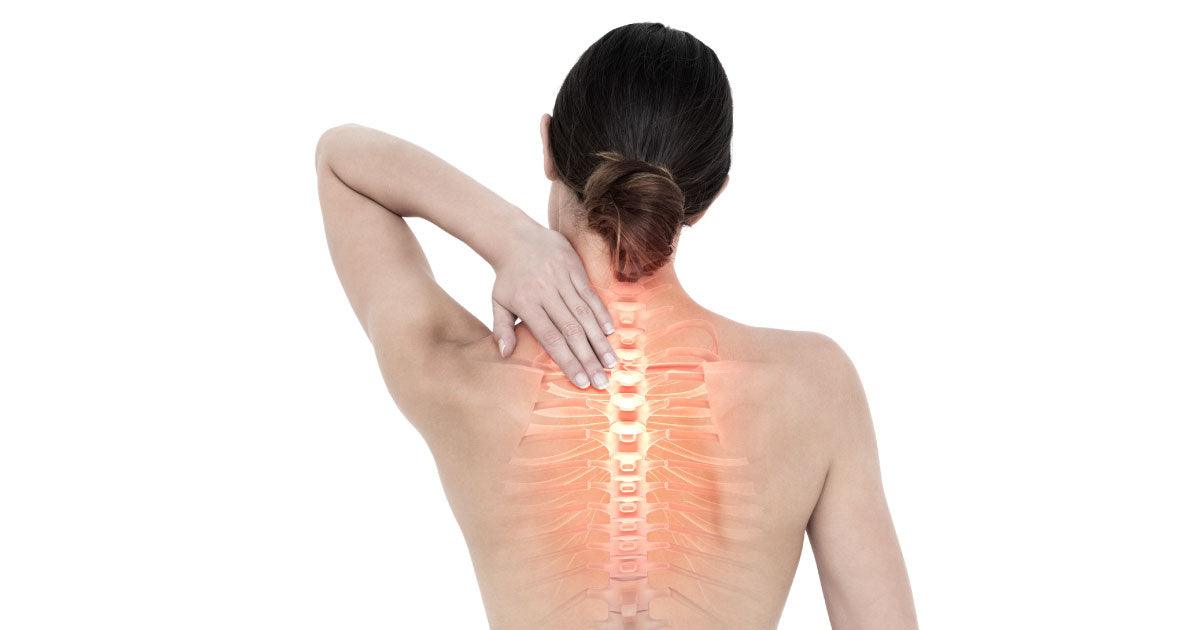
- Upper back pressure
- Jaw ache
- Shortness of breath first
- Sleep disturbance
- Unusual exhaustion
- Mild chest discomfort instead of pain
Because these do not match the stereotypical “heart attack pain,” they’re often labeled anxiety or gastric issues.
That mislabeling can delay lifesaving testing.
Signs at Night — A Dangerous Pattern
Nighttime or rest-related symptoms can signal unstable angina, which carries higher risk.
Watch for:
- Chest pressure that wakes you
- Breathlessness lying flat
- Sudden sweating at night
- Repeated discomfort episodes without exertion
Doctors consider this more serious because it suggests reduced coronary blood flow even at rest.
Do not ignore nighttime cardiac-type discomfort.
Risk Factors That Make Early Angina Warning Signs More Likely
Certain profiles dramatically increase probability:
- High blood pressure
- Diabetes
- Smoking history
- High cholesterol
- Obesity
- Family history of heart disease
- Chronic stress
- Sedentary lifestyle
- Age over 45 (men) / 55 (women)
But one trend is rising fast: younger adults with metabolic syndrome are increasingly showing early angina warning signs.
How Doctors Evaluate Early Angina Warning Signs
Evaluation usually includes:
- Detailed symptom history
- Exertion pattern analysis
- ECG testing
- Stress testing
- Cardiac imaging
- Blood markers
- Coronary CT or angiography (if needed)
Doctors don’t rely on pain intensity — they rely on pattern recognition.
Key diagnostic questions include:
- What triggers it?
- How long does it last?
- Does rest relieve it?
- Does it radiate?
Pattern matters more than severity.
When Early Angina Warning Signs Become an Emergency
Call emergency services immediately if symptoms:
- Last more than 5–10 minutes
- Occur at rest
- Worsen rapidly
- Come with sweating + nausea
- Include fainting
- Feel different from past episodes
Do not self-drive during severe chest symptoms.
Time = heart muscle. Reduce Risk After Early Angina Warning Signs Appear
Early action often prevents progression.
Doctors typically recommend:
Lifestyle Adjustments
- Stop smoking
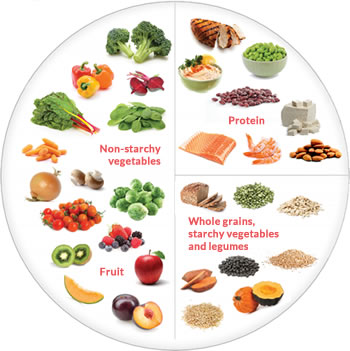
- Improve diet quality
- Control blood pressure
- Lower LDL cholesterol
- Manage blood sugar
- Increase supervised activity
- Reduce stress load
Medical Options
- Nitrates
- Beta blockers
- Calcium channel blockers
- Antiplatelet therapy
- Statins
- Revascularization when needed
Treatment plans are individualized — no one-size protocol.

The Most Dangerous Mistakes People Make About
Patients commonly:
- Wait for “severe” pain
- Assume youth protects them
- Blame digestion
- Ignore repeat patterns
- Self-medicate with antacids
- Avoid testing due to fear
- Search symptoms instead of seeing a doctor
Early angina warning signs are a prevention window — not a nuisance symptom.
Final Thoughts on Early Angina Warning Signs
The unbelievable truth is this: most serious heart events are preceded by warning signs people dismiss.
Early angina warning signs are often:
- Mild
- Repetitive
- Activity-linked
- Relieved by rest
- Easy to rationalize away
Listen to the pattern, not just the pain level.
Your heart rarely whispers without a reason.
Quick Self-Check Summary — Early Angina Warning Signs
- Does discomfort appear with exertion?
- Does it ease with rest?
- Does it feel like pressure or tightness?
- Does it repeat under similar conditions?
- Does it spread to arm, jaw, or back?
- Is breathlessness involved?
If yes — get evaluated.
📣 CTA
If this guide helped you understand early angina warning signs, share it with someone who might ignore these symptoms.
Read more heart safety guides. Share now. Prevention starts with awareness.