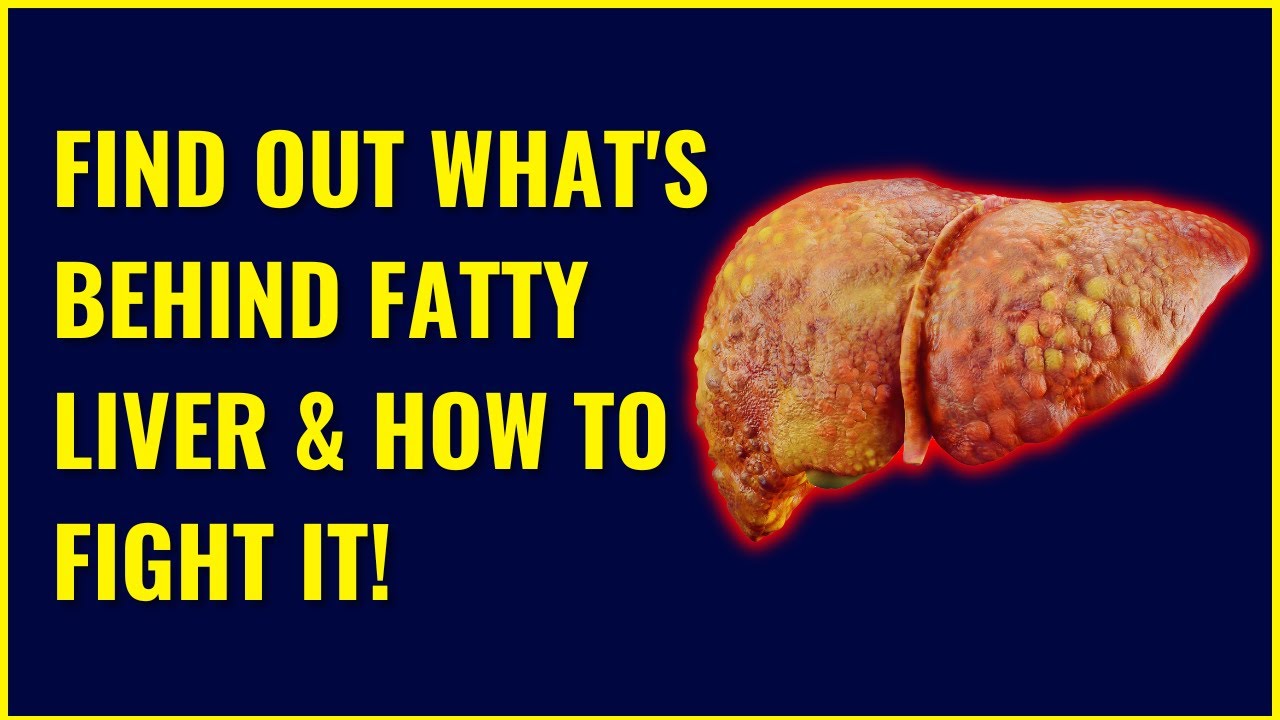
Fatty liver disease often begins silently, with little to no obvious symptoms, making it easy to overlook until significant damage has occurred. This condition, characterized by the accumulation of excess fat in liver cells, can quietly impair liver function and lead to serious health complications if left unchecked. Understanding the early stages of fatty liver damage is crucial for timely intervention and prevention of further harm. In this article, we’ll explore what happens inside your body when fatty liver disease starts, the hidden signs to watch for, and the steps you can take to protect your liver health.
Fatty liver damage doesn’t begin with pain or panic.
It begins silently—while most people feel perfectly fine.
Inside your body, however, a slow and dangerous process may already be underway.
Why Fatty Liver Damage Starts Quietly
Fatty liver disease is no longer rare. It has quietly become one of the most common chronic health conditions worldwide, affecting people who often believe they are “not the type” to develop liver problems.
What makes this condition especially dangerous is how fatty liver damage starts quietly, without dramatic symptoms or obvious warning signs. The liver adapts. It compensates. It keeps working—until it can’t.
By the time many people realize something is wrong, inflammation and scarring may already be advanced. Understanding what’s really happening inside your body during the early stages of fatty liver is critical, because this is the window when damage is still reversible.
How Fatty Liver Damage Starts Quietly Inside the Liver
Fatty liver disease begins when excess fat accumulates inside liver cells. This process is gradual and often invisible.
Here’s what happens step by step:
- Excess calories, sugar, or alcohol increase fat delivery to the liver
- The liver stores this fat inside its cells
- Over time, fat interferes with normal liver function
- Inflammation begins at a microscopic level
This early stage is known as simple fatty liver, and it rarely causes pain. Yet even at this point, fatty liver damage starts quietly, laying the foundation for more serious disease.
According to clinical guidance from the Mayo Clinic, many people with non-alcoholic fatty liver disease have no symptoms at all during early stages, which explains why diagnosis is often delayed. Their overview of fatty liver disease progression explains this silent phase in detail:
how fatty liver disease develops silently
Fatty Liver Damage Starts Quietly by Disrupting Metabolism
One of the first systems affected is metabolism.
When fat builds up in the liver:
- Insulin signaling becomes impaired
- Blood sugar regulation worsens
- Fat burning slows
This creates a vicious cycle. Insulin resistance causes more fat to be stored in the liver, accelerating damage even when weight gain is minimal.
This explains why fatty liver damage starts quietly in people who may not appear overweight or unhealthy on the surface.
Through Chronic Inflammation
Inflammation is the turning point.
As fat accumulates, liver cells release inflammatory chemicals. This inflammation is subtle at first—too mild to cause pain—but powerful enough to damage tissue over time.
At this stage:
- Liver enzymes may rise slightly
- Fatty liver can progress to steatohepatitis
- Scarring begins forming between healthy cells
This is where fatty liver becomes dangerous, yet still silent.
Why Fatty Liver Damage Starts Quietly Without Pain
Unlike other organs, the liver has very few pain receptors.
This means:
- Damage can progress without discomfort
- Inflammation can worsen unnoticed
- Scarring develops without symptoms
Pain typically appears only when the liver becomes significantly enlarged or cirrhosis develops—far later than most people realize.
Fatty Liver Damage Starts Quietly by Affecting Hormones
The liver plays a major role in hormone balance.
As liver function declines:
- Estrogen clearance slows
- Cortisol levels rise
- Thyroid hormone activation decreases
These hormonal shifts can cause fatigue, mood changes, weight gain, and sleep disturbances—symptoms rarely linked back to liver health.
This is another reason fatty liver damage starts quietly while affecting the entire body.
Early Internal Changes When Fatty Liver Damage Starts Quietly
Internally, several subtle changes occur long before diagnosis:
- Reduced bile production
- Slower toxin clearance
- Increased oxidative stress
- Altered cholesterol metabolism
These changes do not cause immediate illness, but they gradually undermine the body’s balance.
Table: What’s Happening as Fatty Liver Damage Starts Quietly
| Stage | What’s Happening Inside | What You Feel |
|---|---|---|
| Early fat buildup | Fat stored in liver cells | Often nothing |
| Inflammation | Immune response activated | Mild fatigue |
| Fibrosis | Scar tissue forms | Subtle discomfort |
| Advanced damage | Liver structure altered | Serious symptoms |
Fatty Liver Damage Starts Quietly — Then Speeds Up
Once inflammation becomes chronic, progression accelerates.
Scar tissue:
- Blocks blood flow
- Reduces oxygen delivery
- Limits nutrient exchange
This pushes the liver closer to cirrhosis, where regeneration becomes difficult.
Harvard Health notes that non-alcoholic fatty liver disease often advances unnoticed for years before complications arise. Their evidence-based explanation of why fatty liver worsens silently highlights the importance of early detection:
Who Is Most at Risk When Fatty Liver Damage Starts Quietly
Certain factors increase risk even without obvious symptoms:
- Sedentary lifestyle
- High-sugar or processed diets
- Chronic stress and poor sleep
- Insulin resistance or prediabetes
- Family history of metabolic disease
Many people with these risk factors feel “mostly fine,” which allows fatty liver damage to continue unnoticed.
Fatty Liver Damage Starts Quietly — But It Doesn’t Have to End Badly
The encouraging truth is that the liver can heal.
At early stages:
- Fat accumulation is reversible
- Inflammation can decrease
- Liver cells can regenerate
The key is recognizing that fatty liver damage starts quietly and acting before scarring becomes advanced.
What to Do When You Suspect Fatty Liver Damage Is Starting Quietly
Awareness is the first step.
Practical actions include:
- Requesting liver enzyme tests
- Considering imaging if enzymes are elevated
- Adjusting diet and physical activity
- Prioritizing sleep and stress management
These steps can significantly slow—or reverse—early damage.
Conclusion: Fatty Liver Damage Starts Quietly, But Awareness Changes Everything
Fatty liver disease is not sudden.
It begins quietly.
It progresses patiently.
And it relies on being ignored.
Understanding what’s really happening inside your body gives you back control. When caught early, fatty liver damage is not a life sentence—it is a warning.
And warnings exist to be acted on.
Call to Action (CTA)
Share Now with someone who thinks liver disease has symptoms
Read More about early signs of fatty liver