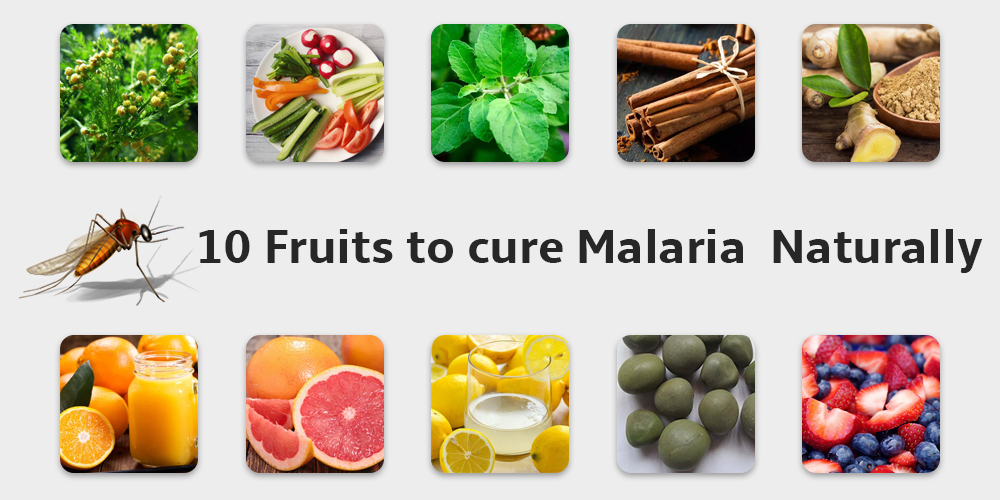
Malaria is a life-threatening disease caused by Plasmodium parasites, transmitted to humans through the bites of infected female Anopheles mosquitoes. Despite advancements in medicine, malaria remains a significant health challenge in many tropical and subtropical regions. While conventional antimalarial drugs are essential for treatment, traditional remedies, particularly certain fruits, have been valued for their natural healing properties. This blog post explores 10 fruits that have shown potential in supporting malaria treatment and boosting overall health during infection.
Understanding Malaria and Its Symptoms
Before diving into the fruits, it’s crucial to understand malaria’s symptoms. Common signs include high fever, chills, sweating, headache, nausea, and fatigue. If untreated, malaria can lead to severe complications and even death. Therefore, natural remedies should complement, not replace, standard medical treatment.
Why Fruits?
Fruits are rich in vitamins, antioxidants, and phytochemicals that strengthen the immune system and may help combat infections. Certain fruits contain compounds with anti-parasitic, anti-inflammatory, and fever-reducing properties, making them beneficial allies in the fight against malaria.
1. Papaya (Carica papaya)
Papaya leaves and fruit have been traditionally used in many cultures to treat malaria. Papaya is packed with vitamin C, which boosts immunity and helps the body fight infections. Moreover, papaya leaf extract has shown antimalarial properties in some studies by reducing parasite levels in the blood.
How to use: Consuming fresh papaya fruit regularly or drinking papaya leaf juice (prepared by crushing fresh leaves) may support recovery.
2. Mango (Mangifera indica)
Mangoes are rich in vitamins A, C, and E, antioxidants that help reduce oxidative stress caused by malaria. The fruit’s high nutrient content supports the immune system and aids in faster recovery.
How to use: Eating ripe mangoes during malaria treatment can provide essential nutrients and energy.
3. Guava (Psidium guajava)
Guava is an excellent source of vitamin C and has antimicrobial properties. It can help reduce fever and inflammation associated with malaria. Guava leaves also contain compounds that may inhibit parasite growth.
How to use: Drink guava leaf tea or consume fresh guava fruit to benefit from its medicinal properties.
4. Orange (Citrus sinensis)
Oranges provide a rich dose of vitamin C, essential for immune function. Vitamin C also helps increase the absorption of iron, which can be depleted during malaria infection.
How to use: Fresh orange juice is a tasty way to stay hydrated and boost immunity during malaria.
5. Lemon (Citrus limon)
Lemon’s high vitamin C content and natural detoxifying properties make it a powerful fruit to combat malaria symptoms. Lemon juice can help reduce fever and support liver function, crucial for detoxifying the body.
How to use: Drinking warm lemon water with honey can soothe symptoms and provide hydration.
6. Pomegranate (Punica granatum)
Pomegranate is loaded with antioxidants and has anti-inflammatory properties. Research suggests that pomegranate extracts may inhibit the growth of malaria parasites in experimental settings.(learn more about malaria recovery nutrition).
How to use: Consuming fresh pomegranate seeds or juice can support overall health and immune response.
7. Banana (Musa spp.)
Bananas are a great source of energy and contain potassium, which helps regulate fluids and electrolyte balance, often disturbed during malaria. Their soothing texture makes them easy to digest when feeling weak.
How to use: Eat ripe bananas to maintain energy and electrolyte balance during infection.
8. Bitter Gourd (Momordica charantia)
Though technically a fruit, bitter gourd is known for its medicinal properties, including antimalarial effects. It contains compounds that may reduce the parasite load and improve blood sugar regulation.
How to use: Bitter gourd juice or cooked preparations can be integrated into the diet under guidance.
9. Cranberry (Vaccinium macrocarpon)
Cranberries contain antioxidants and vitamin C, supporting immune health. While direct antimalarial effects need more research, their anti-inflammatory properties can help alleviate symptoms.
How to use: Cranberry juice or fresh cranberries can be consumed as part of a balanced diet.
10. Jackfruit (Artocarpus heterophyllus)
Jackfruit is rich in vitamin C and antioxidants. Its leaves and seeds have been used traditionally for their medicinal properties, including fever reduction and parasite control.
How to use: Eating ripe jackfruit and using leaf decoctions may provide supportive benefits during malaria.
Integrating Fruits into Malaria Care
While these fruits offer valuable nutritional and medicinal benefits, they should be seen as complementary to prescribed antimalarial treatments. Here are some tips for integrating these fruits into your care plan:
- Hydrate well: Malaria causes dehydration; fruits with high water content like oranges, guavas, and papaya help maintain hydration.
- Boost immunity: Regular intake of vitamin C-rich fruits enhances the body’s defenses.
- Support detoxification: Lemon and pomegranate aid liver function and toxin elimination.
- Balance electrolytes: Bananas help restore potassium lost during fever and sweating.
Precautions
- Always seek medical advice if malaria is suspected.
- Use fruits as supportive therapy, not as a substitute for antimalarial drugs.
- Some fruits, like bitter gourd, may interact with medications; consult a healthcare provider.
- Monitor symptoms closely and seek immediate care if severe signs develop.
Conclusion
Nature offers a wealth of resources to support health during illnesses like malaria. Incorporating fruits such as papaya, mango, guava, and others can provide essential nutrients and natural compounds that aid recovery and boost immunity. While these fruits are not cures on their own, they play a valuable role alongside conventional treatments. Embracing a balanced diet rich in these fruits can help the body fight malaria more effectively and restore health naturally.
Stay informed, eat well, and always prioritize professional medical care for malaria treatment. Nature and science together provide the best path to wellness.