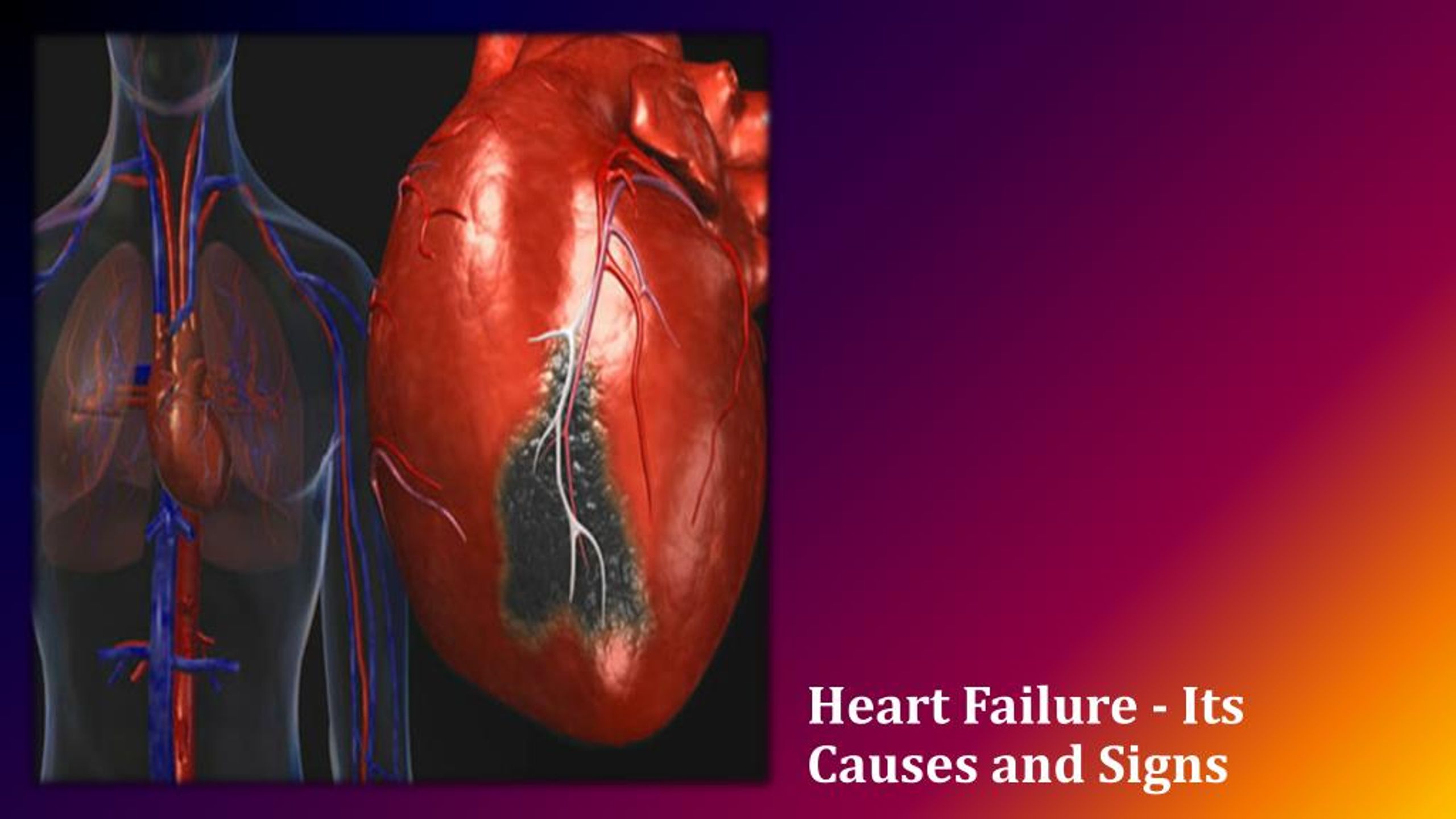
Understanding Heart failure is a chronic condition that affects millions of people worldwide. Despite its name, heart failure does not mean that the heart has stopped working completely. Instead, it refers to the heart’s inability to pump blood efficiently to meet the body’s needs. This can lead to a range of symptoms and complications that impact daily life and overall health. For more information, please click here.
What Causes Heart Failure?
Heart failure can result from various underlying conditions that damage or weaken the heart muscle. Some common causes include:
- Coronary artery disease: Narrowed or blocked arteries reduce blood flow to the heart.
- High blood pressure: Forces the heart to work harder than normal.
- Heart attacks: Damage heart muscle tissue.
- Cardiomyopathy: Diseases of the heart muscle itself.
- Heart valve problems: Affect the flow of blood through the heart.
- Arrhythmias: Irregular heartbeats that impair heart function.
In some cases, lifestyle factors such as obesity, diabetes, smoking, and excessive alcohol consumption can contribute to the development of heart failure.
Recognizing the Symptoms
Heart failure symptoms can vary depending on the severity and type of heart dysfunction. Common signs include:
- Shortness of breath, especially during physical activity or when lying down
- Fatigue and weakness
- Swelling in the legs, ankles, and feet due to fluid buildup
- Rapid or irregular heartbeat
- Persistent cough or wheezing
- Increased need to urinate at night
- Difficulty concentrating or decreased alertness
If you experience these symptoms, it’s important to seek medical evaluation promptly.
Diagnosis and Treatment
Diagnosing heart failure typically involves a combination of medical history review, physical examination, and diagnostic tests such as:
- Electrocardiogram (ECG)
- Echocardiogram (ultrasound of the heart)
- Chest X-ray
- Blood tests, including B-type natriuretic peptide (BNP) levels
Treatment aims to manage symptoms, improve quality of life, and address the underlying causes. This may include:
- Medications: Such as ACE inhibitors, beta-blockers, diuretics, and others to support heart function and reduce fluid retention.
- Lifestyle changes: Including a heart-healthy diet, regular exercise, quitting smoking, and limiting alcohol intake.
- Monitoring and managing other health conditions: Like diabetes and hypertension.
- Advanced therapies: In severe cases, devices like pacemakers or implantable defibrillators, and even heart transplantation may be considered.
Living with Heart Failure
While heart failure is a serious condition, many people live full and active lives with proper treatment and lifestyle adjustments. Regular follow-up with healthcare providers, adherence to treatment plans, and awareness of symptom changes are crucial.
Support from family, friends, and support groups can also make a significant difference in coping with the emotional and physical challenges of heart failure.
Conclusion
Heart failure is a manageable condition when diagnosed early and treated appropriately. Understanding its causes, recognizing symptoms, and committing to a healthy lifestyle can help patients maintain their quality of life and reduce complications. If you or a loved one experience signs of heart failure, consult a healthcare professional without delay.
Stay informed, stay proactive, and take heart health seriously.
Understanding Heart Failure: Symptoms, Causes, and Treatment Options