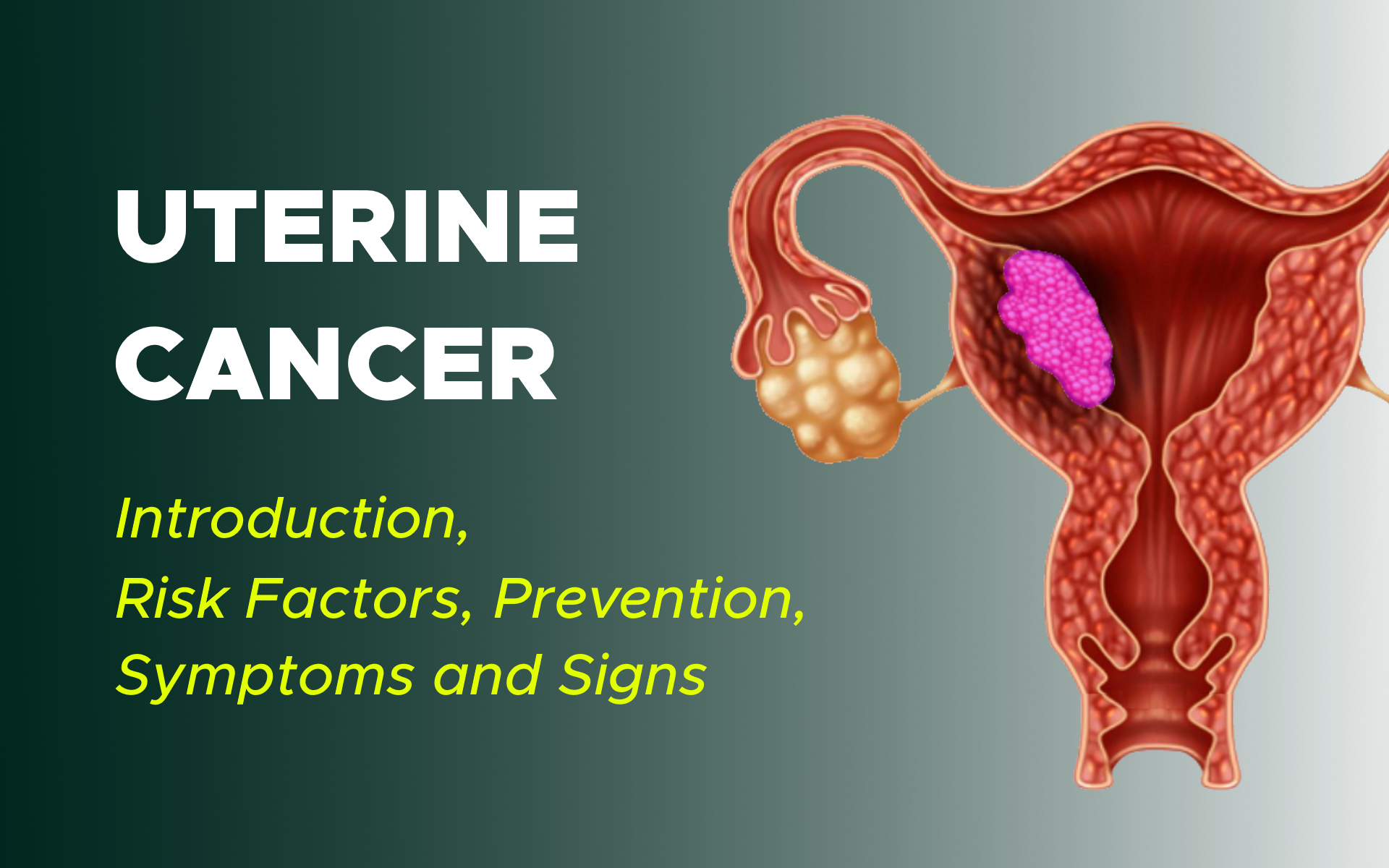
Hidden Uterine Cancer Warning Signals That Look Normal is often associated with noticeable symptoms, but some warning signs can be subtle and easily mistaken for normal bodily changes. Recognizing these hidden signals early on is crucial for timely diagnosis and treatment. the less obvious symptoms of uterine cancer that may go unnoticed, helping you stay informed and proactive about your health.
Most uterine cancer cases don’t start with dramatic symptoms.
They begin with small, “normal-looking” changes women explain away every day.
A slightly heavier period. Spotting between cycles. A watery discharge. Mild pelvic pressure. These are easy to dismiss — and that’s exactly why uterine cancer is sometimes caught later than it should be.
This guide breaks down the hidden uterine cancer warning signals that often look harmless at first glance — but shouldn’t be ignored. You’ll learn what’s normal, what’s suspicious, what patterns matter most, and when to get checked.
This is not fear-based hype. It’s pattern-based awareness.
Why Hidden Uterine Cancer Warning Signals Are So Easy to Miss
Uterine cancer — most commonly endometrial cancer — often develops quietly. Early symptoms are rarely extreme. They tend to overlap with:
- Hormonal changes
- Perimenopause
- Fibroids
- Cycle irregularity
- Stress-related changes
Because of this overlap, many women normalize the signs.
The clinical reality is simple: pattern change matters more than symptom severity.
Medical references describing these early patterns emphasize abnormal bleeding as the most frequent early clue in uterine cancer warning signs:
https://www.cancer.gov/types/uterine/patient/uterine-treatment-warning-signs
Hidden Uterine Cancer Warning Signals #1 — “Just a Slight Change” in Bleeding
Bleeding changes are the most common early uterine cancer symptoms — but they rarely arrive as a dramatic event.
They often appear as:
- Slightly heavier periods than usual
- Cycles getting closer together
- Light spotting after sex
- Brown discharge between periods
- Bleeding lasting a few extra days
Individually, each may look harmless. Together, they form a pattern shift.
What makes it suspicious:
- Change after years of predictable cycles
- Progressively worsening pattern
- Bleeding unrelated to ovulation
- Bleeding after menopause
Hidden Uterine Cancer Warning Signals #2 — Post-Menopause Spotting That Seems Minor
This is one of the most important uterine cancer warning signals.
Even a few drops of blood after menopause is medically significant.
Not heavy bleeding.
pain.
Not repeated episodes.
Just spotting is enough to justify evaluation.
Clinical gynecology guidelines stress that post-menopausal bleeding always needs assessment because it can be an early endometrial cancer sign, as explained in this expert symptom breakdown:
https://www.mayoclinic.org/diseases-conditions/endometrial-cancer/symptoms-causes-secret-guide
#3 — Watery or Pink Vaginal Discharge
Many women expect cancer symptoms to involve pain or heavy bleeding. In reality, one overlooked early sign is discharge.
Watch for:
- Watery discharge
- Pink-tinged fluid
- Thin, persistent discharge
- Discharge with mild odor but no infection
This happens because abnormal cells irritate the uterine lining.
It is often mistaken for:
- Yeast imbalance
- Hormonal discharge
- Mild infection
Hidden Uterine Cancer Warning Signals #4 — Pelvic Pressure Without Sharp Pain
Pain is not usually the first symptom.
Instead, women report:
- Pelvic heaviness
- Lower abdominal fullness
- Subtle pressure
- Bloating that feels different
- A “something feels off” sensation
Because it isn’t sharp, it gets ignored.
But persistent pelvic pressure — especially with bleeding change — deserves investigation.
Hidden Uterine Cancer Warning Signals #5 — Periods That “Suddenly” Get Worse After 40
Perimenopause can cause irregular cycles — that’s true.
But hidden uterine cancer warning signals can hide inside perimenopausal changes.
Concerning pattern:
- Sudden heavy bleeding after years of moderate flow
- Clotting that is new
- Periods lasting more than 8–10 days
- Needing double protection routinely
The keyword is sudden change, not gradual transition.
Hidden Uterine Cancer Warning Signals — Pattern vs Normal Variation Table
| Change Type | Often Normal | Potential Warning |
|---|---|---|
| Gradual cycle shift | Yes | — |
| Sudden heavy bleeding | — | Yes |
| Spotting after menopause | — | Yes |
| One irregular cycle | Yes | — |
| Repeated inter-cycle spotting | — | Yes |
| Mild cramps | Yes | — |
| New watery discharge | — | Yes |
Hidden Uterine Cancer Warning Signals #6 — Fatigue From “Unexplained” Anemia
When bleeding is heavier than recognized, anemia develops quietly.
Symptoms include:
- Ongoing fatigue
- Shortness of breath
- Lightheadedness
- Pale skin
- Low energy despite rest
Many women treat this as lifestyle burnout — but the root cause may be chronic abnormal bleeding.
Hidden Uterine Cancer Warning Signals #7 — Back Pain That Doesn’t Match Activity
Lower back discomfort is common — but unexplained pelvic-linked back pain can be part of the pattern.
Especially when combined with:
- Bleeding change
- Pelvic pressure
- Discharge
- Fatigue
Isolated back pain is rarely the clue. Pattern clusters are.
Why Women Normalize Hidden Uterine Cancer Warning Signals
There are predictable psychological reasons:
- Symptoms look familiar
- Friends report similar issues
- Internet searches normalize everything
- Hormones are blamed
- Busy schedules delay care
- Fear delays confirmation
Normalization is understandable — but dangerous when patterns persist.
Who Should Pay Extra Attention to Hidden Uterine Cancer Warning Signals
Risk is higher if you have:
- Obesity
- Diabetes
- PCOS
- Hypertension
- Never been pregnant
- Late menopause
- Estrogen-only hormone therapy
- Family history of uterine or colon cancer
Risk does not guarantee disease — but it lowers the threshold for testing.
Tests That Detect Hidden Uterine Cancer Warning Signals Early
Doctors may use:
- Transvaginal ultrasound
- Endometrial thickness measurement
- Endometrial biopsy
- Hysteroscopy
- D&C sampling
Important truth:
Imaging suggests — biopsy confirms.
The Most Misleading Myth About Hidden Uterine Cancer Warning Signals
Myth: If it were cancer, the pain would be severe.
Reality: Early uterine cancer often causes minimal pain.
Pain is a late feature — not an early screening tool.
When to See a Doctor Immediately for Hidden Uterine Cancer Warning Signals
Do not delay evaluation if you notice:
- Any post-menopausal bleeding
- Repeated spotting between periods
- Sudden heavy cycles
- Watery pink discharge
- Bleeding after sex
- Rapid symptom change after 45
Practical Self-Monitoring Checklist
Track monthly:
- Cycle dates
- Flow intensity
- Spotting episodes
- Discharge changes
- Pain pattern
- Fatigue level
Patterns become visible when written down.
How Doctors Differentiate Normal Changes From Hidden Uterine Cancer Warning Signals
They evaluate:
- Age and menopause status
- Risk factors
- Pattern duration
- Bleeding timing
- Ultrasound lining thickness
- Biopsy results
It’s not guesswork — it’s pattern plus pathology.
Prevention and Risk Reduction Basics
While not all cases are preventable, risk can be reduced by:
- Weight control
- Blood sugar management
- Treating PCOS
- Balanced hormone therapy
- Regular gynecologic visits
- Reporting bleeding early
Metabolic health and uterine health are closely linked.
The Quiet Truth About Hidden Uterine Cancer Warning Signals
Most missed cases share one feature:
The early signs were present — but minimized.
Not ignored out of negligence — ignored out of familiarity.
Small symptoms feel safe.
Pattern change is the real alarm.
Final Takeaway — Awareness Beats Fear
You don’t need panic.
You need pattern awareness.
Hidden uterine cancer warning signals usually appear as:
- Bleeding pattern change
- Post-menopause spotting
- Watery discharge
- Subtle pelvic pressure
When evaluated early:
- Treatment is simpler
- Outcomes improve
- Survival rates are high
Delay — not disease — is the bigger threat.
CTA — Share This With Someone Who Needs It
If this clarified what “normal” should and shouldn’t look like:
Share now.
Read more women’s health guides next.
Early attention saves lives.