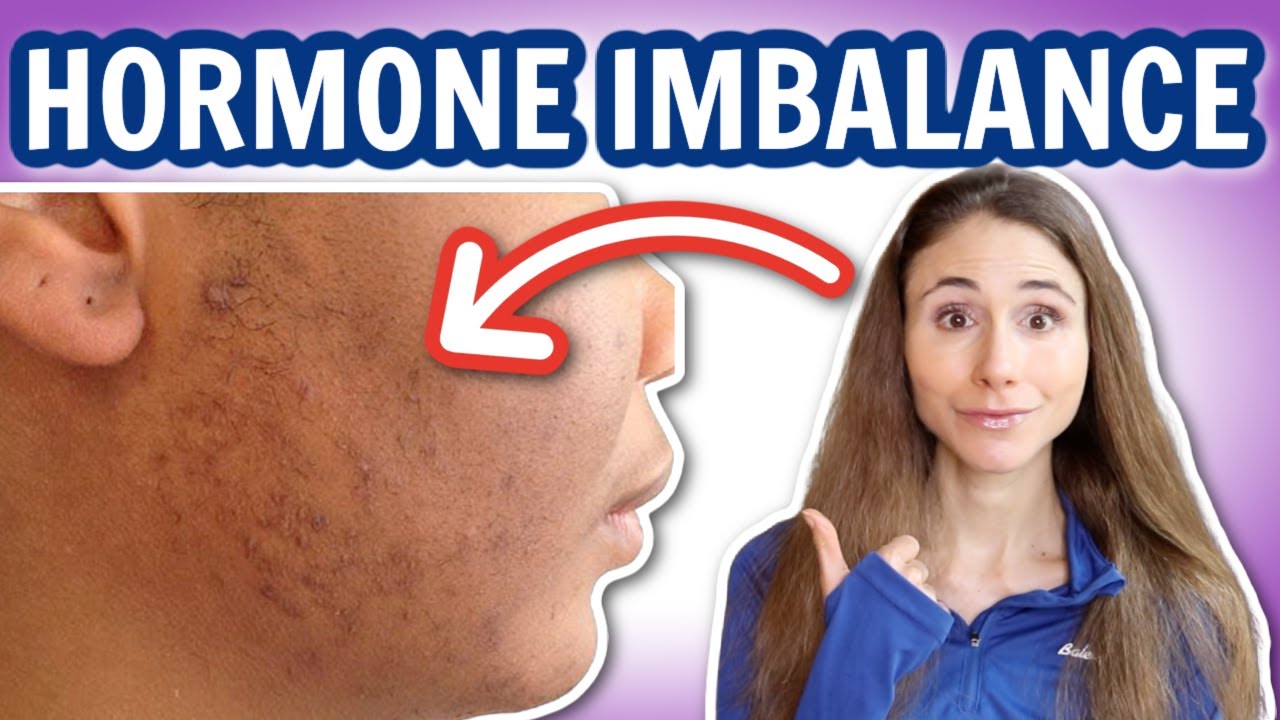
Hormones play a crucial role in maintaining the balance and health of our bodies, and their effects often become visible on our skin. When hormone levels fluctuate or become imbalanced, it can manifest in surprising ways right on your face. From unexpected breakouts to changes in skin texture and color, these signs can be subtle or quite pronounced. Understanding these facial indicators can help you recognize when your hormones might be out of sync and guide you towards seeking the right treatment. the most unbelievable hormone imbalance signs showing up on your face and what they could mean for your overall health.
You cleanse religiously. avoid chocolate. You cycle through every “anti-acne” product on the shelf — yet those pimples just won’t quit. What if the reason isn’t your skincare routine, but something far deeper inside your body?
For millions of adults — especially women — persistent acne is more than a skin problem. It’s a sign your hormones are whispering (or screaming) for help in a language your face can’t ignore.
What Is Hormonal Acne and Why It Matters
When most people hear “acne,” they think teenagers and greasy skin. But in adults, especially those in their 20s, 30s and beyond, acne is frequently driven by internal hormonal imbalances — not just clogged pores or bacteria.
Hundreds of clinical studies show that hormonal acne is associated with fluctuations in androgen hormones (like testosterone), insulin resistance, and reproductive cycle changes — especially in women. (PubMed)
In simple terms: hormones act like traffic controllers for your oil glands. When they miscommunicate, your skin pays the price.
Why Your Face Is a Mirror for Hormone Imbalance
Your face doesn’t lie. Acne patterns often follow hormone-related cues, and while not every breakout is hormonally driven, the location and behavior of pimples can be a powerful clue.
Dermatologists and clinical research both agree that acne on certain areas of the face — particularly the lower face — is often linked with hormone fluctuations, especially when traditional treatments repeatedly fail. (aurorahealthcare.org)
Let’s break down the most telling signs.
Hormone Imbalance Signs Acne Patterns You Should Know
Here are the most recognizable hormonal acne patterns and what they often indicate:
1. Repeated Breakouts on the Chin and Jawline
This is the most classic sign that hormones play a role. Acne here often shows up:
- Before or during your period
- After stressful weeks
- During perimenopause or changes in contraceptive use
Why here? The lower face has a high density of androgen receptors, meaning hormonal fluctuations (especially excess androgens) trigger excess oil and inflammation in this zone. (Acibadem Health Point)
2. Cysts That Stick Around
Hormonal acne tends to produce deep, painful bumps — not just surface whiteheads.
Unlike typical teen acne, these cystic lesions can linger for weeks and often resist conventional topical treatments.
3. Acne That Flares at Predictable Times
If your breakouts spike a few days before your menstrual cycle or during periods of stress, hormones are likely involved. Many women notice this pattern every month — almost like clockwork.
4. Acne That Doesn’t Respond to Traditional Products
When benzoyl peroxide, salicylic acid, and retinoids fail to make a lasting difference, it’s often because you’re targeting surface issues rather than the internal trigger. Hormonal acne requires a different approach.
Table: Hormonal Acne vs. Common Acne
| Feature / Sign | Hormonal Acne | Common Acne |
|---|---|---|
| Typical Location | Chin, jawline, lower cheeks | Forehead, nose, entire face |
| Timing Pattern | Flares with cycle, stress | Random or occasional |
| Depth of Blemishes | Deep, cystic, painful | Surface whiteheads/blackheads |
| Response to OTC Treatments | Often poor | Usually good |
| Hormone Link | Strong | Weak |
This comparison makes it easier to differentiate between acne patterns and focus your treatment effectively.
Unbelievable Hormone Imbalance Signs What Causes Hormone Imbalance Acne?
Hormonal acne isn’t random. These internal forces play a significant role:
Excess Androgens
Male-type hormones like testosterone and DHEAS can stimulate oil glands to produce more sebum, clogging pores and leading to acne. Adult acne patients often have elevated androgen activity.
Insulin Resistance
Evidence shows that insulin resistance — when your body struggles to regulate blood sugar — is closely linked with acne severity, especially in adults.
PCOS and Other Endocrine Disorders
Conditions like polycystic ovary syndrome (PCOS), which involve significant hormonal imbalance, are strongly associated with persistent acne.
Stress Hormones
Cortisol, the stress hormone, doesn’t directly cause acne but exacerbates sebum production and inflammation, making hormonal acne worse.
Each of these triggers reflects a deeper imbalance, which topical products cannot address alone.
The Unbelievable Science Behind Acne Patterns
For decades dermatologists have recognized patterns in acne distribution — but only recent research has helped distinguish which patterns are meaningful and which are misleading.
For example:
- Acne on the chin and jawline is reliably linked to hormonal influences because of local hormone receptor density.
- Acne on the forehead or cheeks might be influenced by lifestyle and external factors more than hormones.
In other words: your body may be giving you a roadmap — if you know how to read it.
What Most People Ignore About Hormonal Acne
Here are surprising realities many people overlook:
Breakouts Can Persist Even With “Normal” Hormone Tests
You can have acne due to hormonal imbalance even if blood tests appear normal — standard lab ranges sometimes aren’t sensitive enough to catch issues affecting skin physiology. Many adult acne patients report this phenomenon in clinical reports and patient cases.
Acne Isn’t Always About Oil
Many people still think acne means greasy skin. But hormonal acne can occur in people with normal or even dry skin — the culprit is often imbalanced signaling, not just excess oil.
Diet and Lifestyle Still Matter
Stress, sleep disruption, and high glycemic foods influence hormones like insulin and cortisol — all of which contribute to acne flare patterns.
Unbelievable Hormone Imbalance Signs When to Suspect Hormonal Acne and What to Do
If you see these signs, it’s time to consider a hormone-focused approach:
- Acne on chin/jawline that won’t go away
- Acne that flares cyclically
- Persistent bumps despite good skincare
- Acne that appears in adulthood
Steps to Take
- Consult a dermatologist: A professional can assess your acne pattern and recommend targeted tests and treatments.
- Discuss hormone testing: Especially if you have irregular periods, PCOS symptoms, or other endocrine concerns.
- Adjust your routine: Gentle skincare combined with appropriate medical treatments (e.g., anti-androgen therapy) can dramatically improve outcomes.
Real Stories Behind the Acne
Many adults describe a cycle they can’t break:
“My acne always returns on my chin, especially around my period.”
“I’ve tried every product, but nothing works.”
These aren’t isolated complaints — they’re classic patterns of hormonally driven acne.
Understanding the pattern was the turning point for many people who finally found treatments that worked supportively with their hormones — not against them.
Unbelievable Hormone Imbalance Signs Conclusion: Your Face Tells a Story — If You Know How to Read It
Acne shouldn’t be dismissed as a surface problem. When it follows certain patterns — especially on the chin and jawline — it’s often signifying hormone imbalance that your body is struggling with.
Recognizing these unbelievable signs can transform how you approach treatment, shifting the focus from endless topical fixes to solutions that address the underlying hormonal causes.
It’s not just a breakout. It’s your body trying to communicate.
Call to Action
If you found this article eye-opening, share it with someone still struggling with acne. Follow our blog for more evidence-based skincare insights,