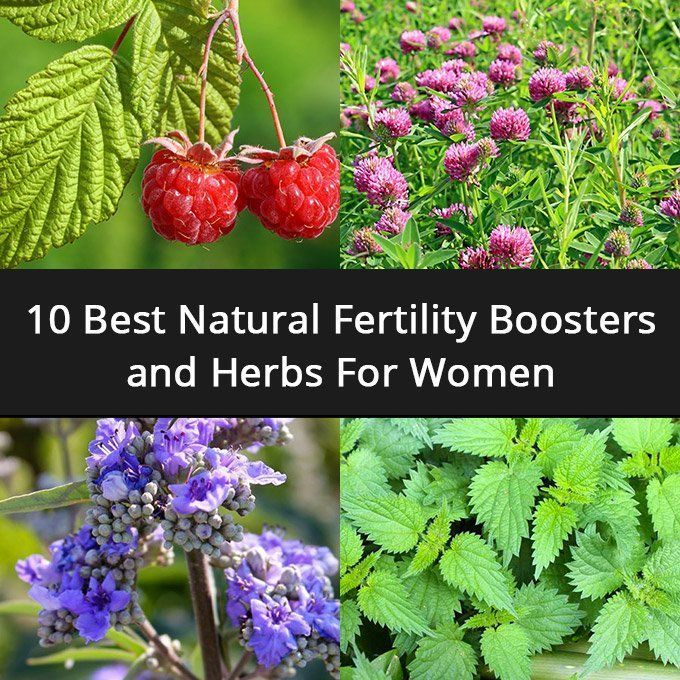
When trying to conceive, many couples turn to natural remedies to enhance fertility and support reproductive health. These remedies, which can include dietary changes, herbal supplements, lifestyle adjustments, and stress reduction techniques, often take time to show noticeable effects. Understanding how long natural remedies take to improve fertility is important for setting realistic expectations and maintaining patience throughout the journey. In this article, we will explore the typical timelines for various natural approaches and offer guidance on how to incorporate them effectively into your fertility plan.
If you’re trying to conceive naturally, the biggest question on your mind might be: How long will it really take for natural remedies to start working? Many couples make lifestyle adjustments and take supplements expecting immediate results — but there’s a realistic timeline backed by science that you need to understand.
Natural fertility improvement isn’t instant — it’s a process. And knowing exactly how long natural remedies take to improve fertility helps set expectations, reduce frustration, and boost your chances of conception.
Let’s unpack the honest timeline, what affects it, and what natural changes can realistically do for both partners.
What Does “Natural Fertility Improvement” Mean?
“Natural fertility improvement” refers to:
- lifestyle changes (diet, weight, stress management),
- fertility-friendly supplements,
- ovulation tracking and timing,
- herbal and complementary therapies.
These are approaches meant to support your body’s reproductive health without invasive medical interventions.
This is not about magic pills or overnight cures — and we’ll explore why below.
Understanding the Biological Timeline: Why It Takes Months
Before diving into specific timelines, you must understand how reproductive biology works:
- Egg maturation: Egg development is a gradual process taking about ~90 days before ovulation — meaning any change you make now won’t affect that cycle until later.
- Sperm regeneration: Spermatogenesis — the process of producing new sperm — generally takes around ~74 days.
Because of these biological processes, fertility changes aren’t instantaneous. Natural approaches work with your body’s cycles, not against them.
Realistic Timelines: How Long Natural Remedies Take to Improve Fertility
Here’s a practical breakdown of how long common natural fertility strategies typically take before results become noticeable:
| Natural Approach | Expected Time to Noticeable Change | Notes |
|---|---|---|
| Fertility Supplements | ~2–3 months | Some effects visible sooner; best results at ~3 months. |
| Diet & Lifestyle Changes | ~3–6 months | Diet quality influences hormones slowly but steadily. |
| Ovulation Tracking | Immediate | Helps optimize timing, but doesn’t change underlying biology. |
| Herbal Remedies (e.g., Vitex) | ~3–6 months | Herbs often take several cycles to show effect. |
| Comprehensive Natural Protocols | ~3–12 months | Integrated approaches take longer but can be more effective. |
Why 3 Months Is a Critical Benchmark
Most change tends to cluster around three months because:
- Egg cycles finalize: Eggs that will ovulate in the next 1–2 cycles start development ~90 days earlier.
- Sperm cycles renew: Sperm quality responds to nutrition and lifestyle within about 2–3 months.
- Hormonal shifts from diet, sleep, and stress management take sustained time to reflect in menstrual cycle patterns and sperm quality.
In short:
If you aren’t willing to give natural remedies at least 3–6 months of consistent effort, you’ll likely become frustrated before your body has had a chance to respond.
Common Natural Strategies — What They Do and When You’ll See Results
1. Fertility Supplements
Supplements like CoQ10, folate, vitamin D, and antioxidants help optimize egg quality and sperm health. But they’re not instant — they follow your body’s cycle timeline. Studies suggest most supplements take about 8–12 weeks to affect hormone balance and reproductive cells.
Tip: Start supplements 3–6 months before you want to conceive for best effects.
2. Weight & Diet Changes
A fertility-friendly diet — rich in whole foods, lean proteins, healthy fats, and antioxidants — supports hormone balance. But eating well today won’t change egg or sperm quality tomorrow. Impact tends to appear over several months as your body stabilizes hormones.
Best practice: Pair dietary shifts with tracking ovulation to catch fertile windows.
3. Stress Management & Sleep
Chronic stress and poor sleep disrupt reproductive hormones like cortisol, estrogen, and testosterone. Improvements in stress and sleep can appear quickly in mood and energy levels, but measurable fertility improvements typically take months of consistency. (HealthCentral)
4. Herbal Supplements
Herbs like vitex and maca root are popular, but they require consistent use for at least 3–6 months before noticeable changes in cycles or hormone balance.
5. Ovulation Awareness Methods
Ovulation trackers, basal body temperature monitoring, and fertility awareness methods don’t change fertility itself, but they maximize timing. These tools can help you identify your fertile window within the same cycle, which can immediately improve chances of conception if used correctly.
When to Evaluate Progress — And When to Seek Help
Natural remedies have limits.
Medical guidelines (e.g., American Society for Reproductive Medicine) suggest:
- If you’re under 35: Aim to try natural methods for up to 12 months before a medical evaluation.
- Over 35: Consider professional assessment after 6 months of trying without pregnancy.
This doesn’t mean you must give up on natural strategies — but combining them with clinical insight can speed progress and clarify when medical support is needed.
Why Patience Matters More Than You Think
Many people chase quick fixes, which leads to frustration and stress — ironically worsening fertility itself. Real progress comes from consistent changes over several cycles, not overnight promises.
Natural approaches work gently to rebalance your body — and that takes time.
Final Thoughts: Setting Realistic Expectations
Here’s the bottom line on how long natural remedies take to improve fertility:
- Expect noticeable improvements after about 3 months of consistent change.
- Understand that full effects may take 3–6 months or longer depending on underlying issues.
- Combine natural methods with proper ovulation tracking to make every cycle count.
If after 6–12 months of dedicated effort you haven’t seen improvement, reaching out to a reproductive specialist can help tailor your plan and eliminate hidden factors.
Call to Action:
If you’re ready to optimise your fertility the right way, start today by tracking your ovulation and building a sustainable nutrition plan. Share this article with someone who’s on their fertility journey — and read more about natural fertility enhancements .