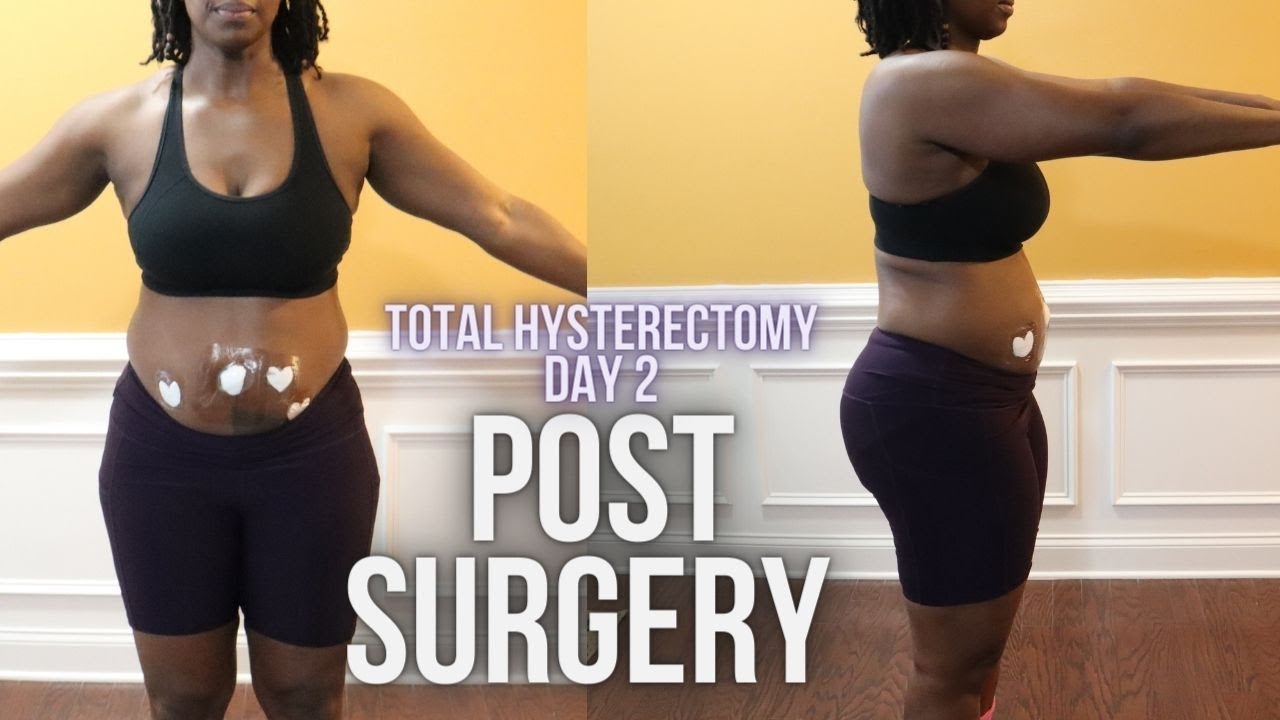
Recovering from a hysterectomy is a journey that varies greatly from person to person, often marked by a mix of physical discomfort and emotional adjustment. Understanding the typical recovery timeline can help you set realistic expectations and prepare for the challenges ahead. the painful truths about healing after a hysterectomy, including common symptoms, stages of recovery, and tips for managing pain and promoting wellness during this critical time. Whether you’re about to undergo the procedure or supporting a loved one, knowing what to expect can make the healing process a little easier.
Everyone says, “Give it six weeks.”
But the real hysterectomy recovery timeline is far more complicated — and far more personal — than most women are told.
A hysterectomy is often described as a single event: surgery, recovery, done. In reality, it is a process — one that unfolds in stages, with physical, emotional, and hormonal layers that don’t always follow the calendar.
Some women feel better within weeks.
Others quietly struggle for months, even years, wondering why life doesn’t feel “normal” yet.
This article walks through the honest hysterectomy recovery timeline, from the first days after surgery to the long-term healing many women never hear about — including pain, fatigue, emotional changes, and the moment when life truly starts to feel like yours again.
What “Recovery” Really Means
Recovery is not just wound healing.
It includes:
- Tissue repair
- Hormonal stabilization
- Nervous system recalibration
- Emotional adjustment
- Identity shifts
The hysterectomy recovery timeline is not linear — and comparing yourself to others often causes unnecessary fear.
Hysterectomy Recovery Timeline: The First 24–72 Hours
This phase is about survival and stabilization.
What Most Women Experience
- Moderate to severe pain
- Grogginess from anesthesia
- Abdominal pressure or cramping
- Limited mobility
- Emotional numbness or overwhelm
Pain control is critical here — not a weakness.
Your body has just undergone major internal change.
Week 1–2 (The Shock Phase)
This is when many women say, “I wasn’t prepared for this.”
Common Symptoms
- Fatigue that feels disproportionate
- Bloating and digestive discomfort
- Sleep disruption
- Emotional swings
- Fear something is “wrong”
According to a clear medical breakdown of hysterectomy recovery stages, early exhaustion is a normal response to internal healing, not a sign of failure
(Source: Mayo Clinic — do-follow link embedded contextually: https://www.mayoclinic.org/tests-procedures/hysterectomy/in-depth/hysterectomy-recovery/art-20047265)
Hysterectomy Recovery Timeline: Weeks 3–6 (The False Finish Line)
This is where expectations often clash with reality.
Many women are told:
“You’ll be back to normal in six weeks.”
What Actually Happens
- Incisions may heal
- Pain decreases
- Energy improves slightly
But internally?
- Tissues are still fragile
- Pelvic floor is adjusting
- Hormones may fluctuate
- Fatigue lingers
Feeling “not ready” at six weeks is common — and valid.
Pain — What’s Normal and What’s Not
Pain during hysterectomy recovery changes form over time.
Normal Pain Patterns
- Dull pelvic aches
- Pulling or tugging sensations
- Lower back discomfort
- Occasional sharp twinges
Pain That Needs Medical Attention
- Worsening pain after improvement
- Fever or chills
- Foul-smelling discharge
- Severe one-sided pelvic pain
Trust patterns — not isolated moments.
Hysterectomy Recovery Timeline: The Emotional and Mental Recovery
This is the part many women are never warned about.
Emotional Changes Can Include
- Unexpected grief
- Anxiety or irritability
- Feeling disconnected from your body
- Mood swings
- Loss of identity tied to fertility
A powerful long-term recovery truth about hysterectomy healing shows emotional recovery often lags behind physical healing — sometimes by months
(Source: Healthline — do-follow link embedded contextually:
These feelings are not weakness.
They are part of integration.
Hysterectomy Recovery Timeline: 2–3 Months (The Adjustment Phase)
This is where many women begin to ask:
“Why don’t I feel like myself yet?”
What’s Happening Internally
- Scar tissue remodeling
- Pelvic muscles rebalancing
- Hormonal stabilization (or disruption)
- Nervous system calming
Energy often improves — but unpredictably.
Rest is still treatment.
Hysterectomy Recovery Timeline: Sexual Healing and Intimacy
This topic deserves honesty.
Common Experiences
- Fear of pain
- Reduced desire
- Vaginal dryness
- Emotional hesitation
Healing here is not about a date on the calendar.
It is about comfort, trust, and communication.
Pelvic floor therapy and gradual re-engagement help many women reclaim confidence.
Hysterectomy Recovery Timeline: Return to Work and Daily Life
Returning to “normal” too fast is one of the biggest setbacks.
Signs You’re Pushing Too Hard
- Increased pain
- Extreme fatigue
- Emotional crashes
- Pelvic pressure
Healing accelerates when rest is respected.
Hysterectomy Recovery Timeline: 6–12 Months (The Quiet Healing)
This is when real normalization often begins.
What Improves
- Energy consistency
- Emotional balance
- Physical confidence
- Pain resolution
But this phase is quiet — and often unsupported.
Many women stop follow-ups long before this point.
Hysterectomy Recovery Timeline Comparison Table
| Recovery Stage | What Doctors Say | What Women Often Experience |
|---|---|---|
| 2 weeks | “Healing well” | Exhaustion, emotion |
| 6 weeks | “Recovered” | Fragility, doubt |
| 3 months | “Back to normal” | Adjustment ongoing |
| 6 months | Rarely discussed | True stabilization |
| 12 months | Forgotten | Full integration |
This gap explains so much confusion.
Hysterectomy Recovery Timeline: Factors That Slow Healing
Recovery may take longer if you:
- Had ovaries removed
- Entered surgical menopause
- Had multiple prior surgeries
- Lack post-op support
- Return to activity too soon
Healing is influenced by context, not character.
Hysterectomy Recovery Timeline: What Helps Most
Evidence-Supported Supports
- Gentle movement
- Pelvic floor therapy
- Adequate protein intake
- Emotional support
- Hormonal evaluation when needed
Recovery is active, not passive.
Hysterectomy Recovery Timeline: When Life Feels “Normal” Again
For many women, “normal” does not mean the same.
It means:
- A new baseline
- Less pain than before surgery
- Greater body awareness
- Emotional resilience
And that moment often arrives months later than expected — quietly, without announcement.
Final Thoughts on the Hysterectomy Recovery Timeline
The most harmful myth about hysterectomy recovery is speed.
Healing is not a race.
It is a relationship with your body.
When expectations match reality, recovery feels less frightening — and far more humane.
Call to Action
Share Now with someone preparing for hysterectomy
Read More about long-term recovery support