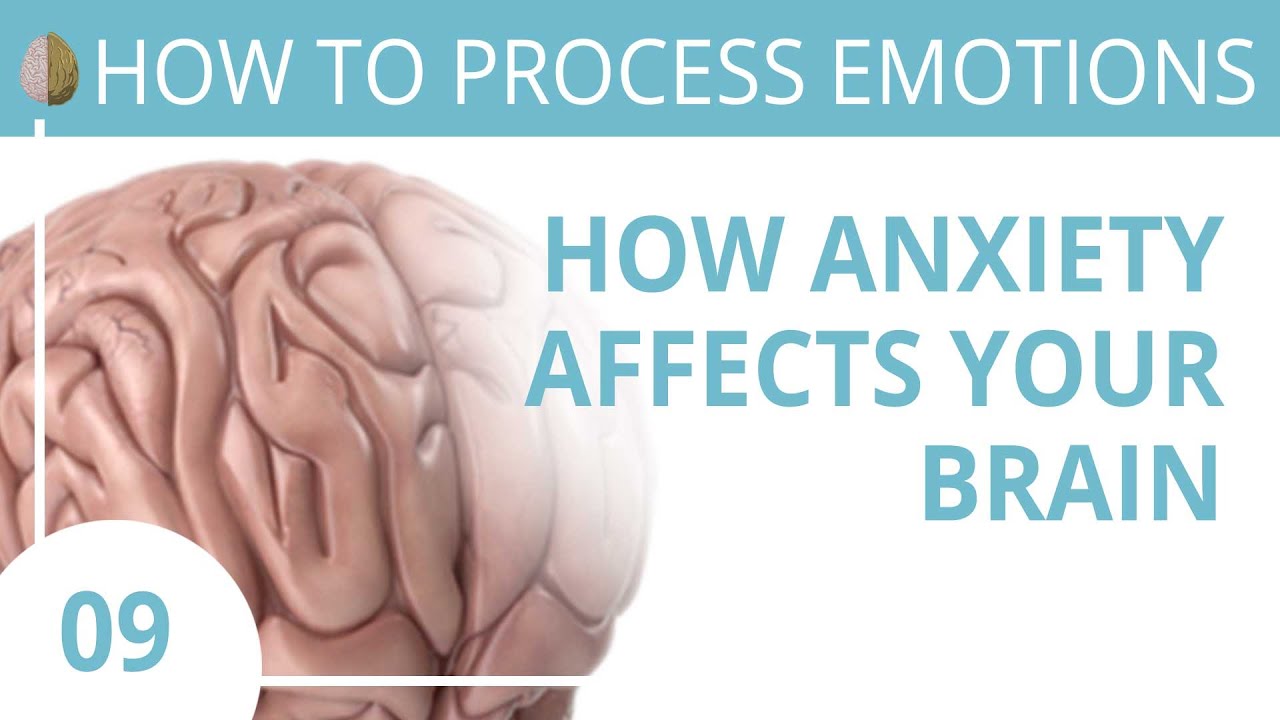
Long-term anxiety is more than just a fleeting feeling of worry; it’s a persistent state that can profoundly affect your brain’s structure and function. Recent scientific research has uncovered startling insights into how chronic anxiety reshapes neural pathways, impacts memory, and alters emotional regulation. Understanding these changes is crucial, as it sheds light on the invisible toll anxiety takes on mental health and offers pathways toward effective treatments and coping strategies. the shocking science behind long-term anxiety and its profound impact on the brain.
Anxiety doesn’t just live in your thoughts — it lives in your brain.
And when anxiety becomes long-term, the damage can quietly accumulate in ways most people never expect.
For years, anxiety has been dismissed as “just stress” or “something you need to manage better.” But modern neuroscience now paints a far more serious picture. Long-term anxiety can physically change the brain, affecting memory, emotional regulation, focus, and even long-term cognitive health.
This article explains the science clearly — without panic, without jargon — so you understand what’s really happening inside your brain and why early action matters.
Why Long-Term Anxiety Brain Damage Is Finally Being Taken Seriously
Anxiety is meant to be temporary. It evolved to protect us from danger.
The problem begins when anxiety becomes chronic.
When the brain stays in a constant state of alert, it never fully resets. Over months and years, this persistent stress response reshapes neural pathways, alters brain chemistry, and accelerates mental wear and tear.
According to the American Psychological Association, chronic anxiety keeps the body in a prolonged “fight-or-flight” state, which disrupts brain function and emotional balance over time
https://www.apa.org/topics/anxiety
This isn’t theoretical anymore. Brain imaging studies now confirm it.
How the Long-Term Anxiety Brain Changes Structurally
Long-term anxiety doesn’t just affect how you feel — it affects how your brain is built.
Key Brain Areas Impacted by Long-Term Anxiety
- Amygdala (fear center): becomes overactive and enlarged
- Hippocampus (memory center): can shrink over time
- Prefrontal cortex (decision-making): activity weakens
This combination explains why people with chronic anxiety often experience:
- Heightened fear responses
- Memory lapses
- Difficulty concentrating
- Emotional overreactions
Research summarized by Harvard Health Publishing shows that prolonged stress and anxiety are associated with measurable changes in these regions, particularly reduced hippocampal volume
What Cortisol Does to the Long-Term Anxiety Brain
Cortisol is the body’s primary stress hormone. In short bursts, it’s helpful.
In long-term anxiety, cortisol stays elevated — and that’s where damage begins.
Effects of Excess Cortisol on the Brain
- Interferes with memory formation
- Impairs learning and recall
- Disrupts sleep-wake cycles
- Increases brain inflammation
Over time, high cortisol exposure is linked to accelerated brain aging and reduced neuroplasticity — the brain’s ability to adapt and heal.
This explains why many people with long-term anxiety say:
“I feel mentally slower than I used to.”
They’re not imagining it.
Cognitive Symptoms of a Long-Term Anxiety Brain
Long-term anxiety often masquerades as everyday forgetfulness or “brain fog.”
Common cognitive symptoms include:
- Trouble recalling words or names
- Difficulty focusing on tasks
- Slower information processing
- Feeling mentally overwhelmed easily
These symptoms are not signs of weakness. They are signs of a brain operating under prolonged threat conditions.
Emotional Regulation and the Long-Term Anxiety Brain
One of the most overlooked effects of chronic anxiety is emotional dysregulation.
When anxiety is long-standing:
- Emotional reactions become more intense
- Small stressors feel unmanageable
- Recovery from emotional upset takes longer
This happens because the prefrontal cortex — responsible for emotional control — loses influence over the amygdala.
The result?
You know you’re overreacting, but your brain can’t stop it.
Sleep Disruption and the Long-Term Anxiety Brain
Sleep and anxiety feed each other in a damaging loop.
Long-term anxiety:
- Delays sleep onset
- Reduces deep sleep
- Increases nighttime awakenings
Poor sleep then worsens anxiety — and deprives the brain of repair time.
During deep sleep, the brain clears metabolic waste and strengthens memory networks. Chronic sleep disruption prevents this, accelerating mental fatigue and cognitive decline.
Comparison Table: Normal Stress vs Long-Term Anxiety Brain
| Factor | Short-Term Stress | Long-Term Anxiety Brain |
|---|---|---|
| Cortisol | Brief elevation | Chronically high |
| Amygdala | Temporary activation | Persistent overactivity |
| Memory | Intact | Gradual decline |
| Focus | Restores quickly | Chronic impairment |
| Brain Aging | Normal | Accelerated |
This comparison shows why duration — not intensity alone — determines damage.
Can Long-Term Anxiety Brain Changes Be Reversed?
This is the most hopeful part of the science.
The brain remains plastic — capable of change — well into adulthood.
When anxiety is addressed, studies show:
- Amygdala activity can normalize
- Hippocampal volume may recover
- Cognitive performance improves
Recovery is not instant, but it is possible.
What Helps Heal the Long-Term Anxiety Brain
The most effective approaches address both biology and behavior.
Evidence-Backed Supports
- Cognitive Behavioral Therapy (CBT)
- Consistent sleep schedules
- Regular aerobic exercise
- Mindfulness and nervous-system regulation
- Medication when appropriate
No single solution works for everyone — but reducing chronic anxiety allows the brain to begin repairing itself.
Why Ignoring Long-Term Anxiety Brain Damage Is Risky
Untreated chronic anxiety increases long-term risk for:
- Depression
- Cognitive decline
- Cardiovascular disease
- Burnout and emotional exhaustion
The earlier anxiety is addressed, the better the long-term brain outcome.
The Shocking Truth About the Long-Term Anxiety Brain
Anxiety is not “just in your head.”
It changes your head.
Understanding what long-term anxiety does to the brain removes shame and replaces it with clarity. Your symptoms are not personal failures — they are biological consequences of prolonged stress.
And the most important truth of all?
The brain can recover — when anxiety is taken seriously.
Call to Action
If this article helped you understand your experience, Share Now with someone who may be silently struggling.
For deeper science-based insights on mental health and brain resilience, Read More in our next feature.