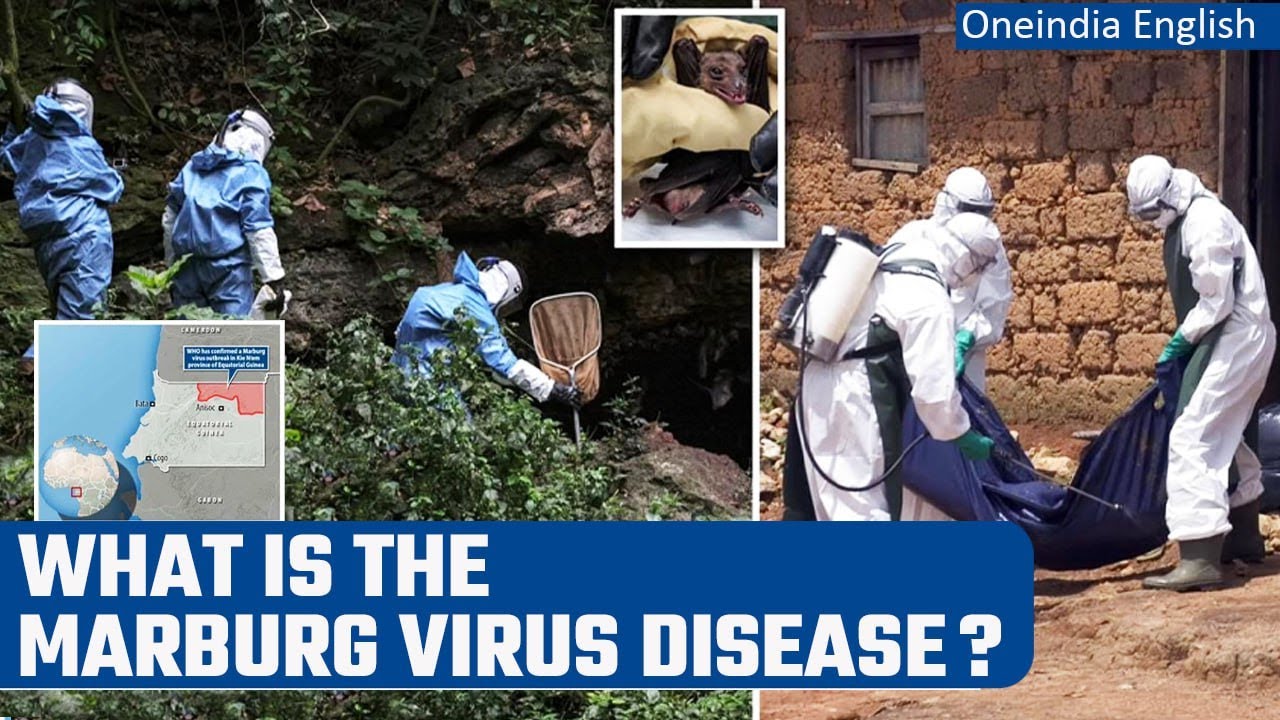
The Marburg virus is a highly dangerous pathogen that causes Marburg virus disease (MVD), a severe and often fatal hemorrhagic fever. Given its deadly nature, many people naturally worry about how it spreads and whether it is airborne. Understanding the transmission routes of the Marburg virus is crucial for preventing outbreaks and protecting public health. So, is the Marburg virus airborne? Let’s explore the facts.(see their comprehensive overview of Marburg virus disease here: https://www.who.int/news-room/fact-sheets/detail/marburg-virus-disease).
What Is the Marburg Virus?
The Marburg virus belongs to the same family as the Ebola virus—Filoviridae. It was first identified in 1967 after outbreaks in Marburg and Frankfurt, Germany, and Belgrade, Serbia. The virus causes symptoms such as fever, severe headache, muscle pain, vomiting, diarrhea, and bleeding both internally and externally. The fatality rate can be as high as 88%, making it one of the most lethal viruses known to humans.
Transmission of Marburg Virus
The primary reservoir for the Marburg virus is the African fruit bat, Rousettus aegyptiacus. Humans typically contract the virus through prolonged exposure to bat-inhabited caves or mines. Once a human is infected, the virus can spread from person to person.
How Does Marburg Virus Spread?
Marburg virus transmission occurs through direct contact with:
- Blood
- Body fluids (saliva, vomit, urine, feces, sweat, breast milk, semen)
- Tissues of infected individuals or animals
Transmission can happen through broken skin or mucous membranes, such as the eyes, nose, or mouth. Healthcare workers and family members caring for infected patients are particularly at risk if protective measures are not followed.
Is Marburg Virus Airborne?
This is the central question that causes much concern. The term “airborne” means that the virus can spread through tiny droplets or particles suspended in the air over long distances and time, infecting people who breathe in contaminated air.
What Does the Research Say?
Currently, there is no evidence that Marburg virus spreads through airborne transmission like measles or tuberculosis. The virus primarily spreads by direct contact with infected bodily fluids, not by inhaling airborne particles.
However, some laboratory studies have shown that close-range aerosol transmission (small droplets) may be possible in controlled environments, but this has not been documented in natural human outbreaks. The World Health Organization (WHO) and the Centers for Disease Control and Prevention (CDC) maintain that Marburg virus is not airborne under normal conditions.
Why Does This Matter?
Understanding that Marburg virus is not airborne informs how we approach infection control:
- Protective gear: Healthcare workers should use gloves, gowns, masks, and eye protection when caring for patients.
- Isolation: Infected patients should be isolated to prevent direct contact transmission.
- Hygiene: Proper handwashing and disinfection of surfaces are critical.
- Safe burial practices: Handling of bodies requires precautions to prevent virus spread.
The Bottom Line
While the Marburg virus is extremely dangerous and spreads via direct contact with infected fluids, it is not airborne in the way many respiratory viruses are. This means that casual contact or breathing the same air is unlikely to cause infection.
Awareness and adherence to safety protocols are essential to prevent outbreaks and protect communities. Scientists continue to study the virus to ensure we fully understand all possible transmission routes, but current evidence provides some reassurance regarding airborne spread.
Stay informed, stay safe, and always follow public health guidelines during outbreaks of hemorrhagic fevers like Marburg virus disease.