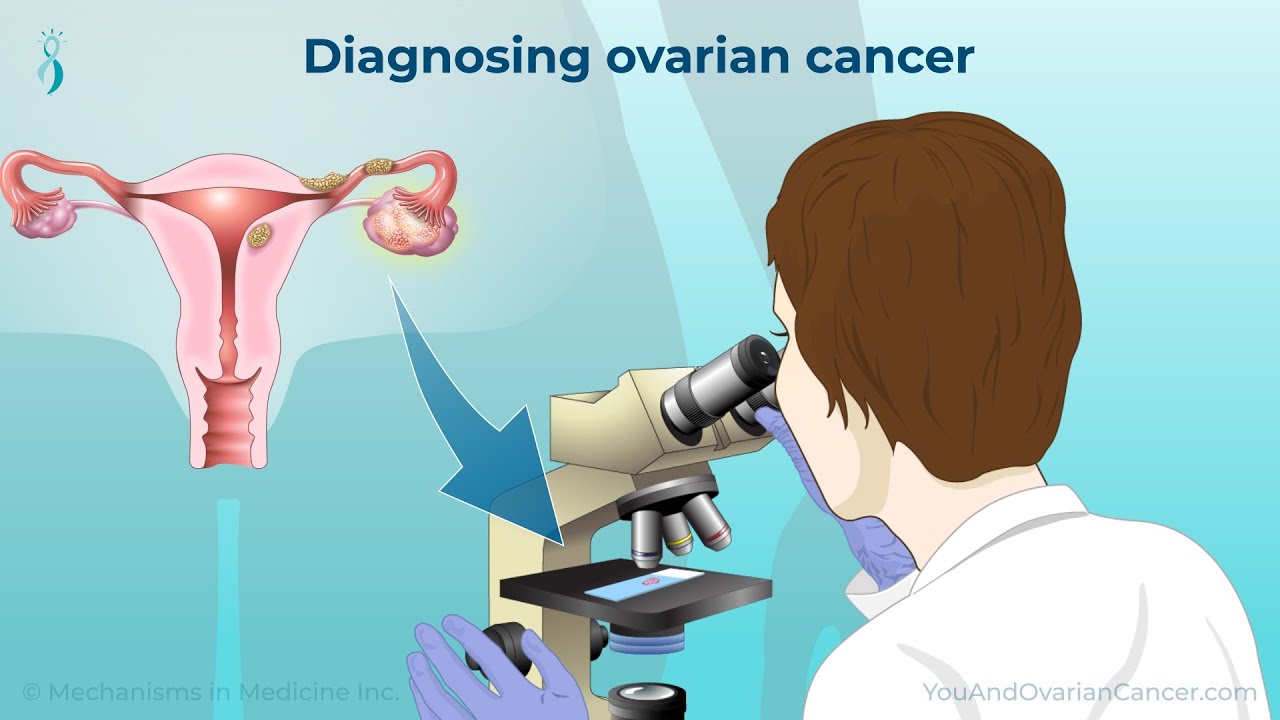
Ovarian cancer is often called the “silent killer” because its symptoms can be subtle and easily mistaken for less serious conditions. Despite routine checkups being a crucial opportunity for early detection, many women face shocking mistakes that delay diagnosis and treatment. Understanding these common errors can empower you to advocate for your health and potentially save your life. the most frequent ovarian cancer mistakes made during routine exams and what you can do to ensure you receive the best care possible.
This One Assumption at Your Checkup Could Cost You Years
Most women walk out of routine checkups feeling reassured.
But here’s the uncomfortable truth: many believe they were screened for ovarian cancer — when they were not.
That misunderstanding alone has delayed thousands of diagnoses. And doctors are finally speaking more openly about the common ovarian cancer checkup mistakes women keep making — often without realizing it.
This article breaks them down clearly, simply, and practically — so you don’t leave your next appointment with false reassurance.
Ovarian Cancer Checkup Mistakes Start With a Dangerous Myth
One of the biggest ovarian cancer checkup mistakes is believing:
“My annual pelvic exam checks for ovarian cancer.”
It usually does not.
A pelvic exam can sometimes detect abnormalities — but it is not a reliable ovarian cancer screening test, especially in early stages. Ovaries are deep in the pelvis. Small tumors are rarely felt.
According to this expert clinical overview on early detection limits, routine pelvic exams alone are not sufficient for early ovarian cancer detection:
hidden ovarian cancer warning signs doctors reveal
Yet many women assume they’re covered — and stop asking questions.
Why Ovarian Cancer Is Often Missed During Routine Checkups
Ovarian cancer is medically known for three challenges:
- Symptoms are vague
- No universal screening test exists
- Early tumors are difficult to detect physically
Unlike cervical cancer (Pap smear) or breast cancer (mammogram), ovarian cancer does not have a simple, widely used screening protocol for average-risk women.
That’s where routine checkup mistakes become dangerous.
Table — Ovarian Cancer Checkup Mistakes vs What Actually Works
| Common Checkup Assumption | Reality | Better Action |
|---|---|---|
| Pelvic exam = ovarian cancer screening | Not reliable for early tumors | Ask about symptom patterns |
| Pap smear checks ovaries | Pap smear checks cervix only | Know what Pap tests actually detect |
| No symptoms = no risk | Early symptoms are subtle | Track persistent changes |
| Blood tests always detect it | CA-125 is not a general screen | Use only when clinically indicated |
| One normal visit = all clear | Cancer can develop between visits | Monitor changes continuously |
#1 — Confusing Pap Smears With Ovarian Cancer Screening
This is one of the most widespread ovarian cancer routine checkup mistakes.
A Pap smear does NOT test for ovarian cancer.
It screens for:
- Cervical cancer
- Cervical cell abnormalities
- HPV-related changes
It does not evaluate ovarian tissue.
Many women believe a normal Pap result means their ovaries are healthy. That assumption creates false security.
#2 — Not Reporting “Small” Symptoms
Women frequently minimize symptoms during appointments.
They say things like:
- “It’s probably nothing”
- “Just bloating”
- “Just hormones”
- “Just stress”
Doctors rely heavily on symptom reporting. If you don’t mention it — it doesn’t enter the clinical decision process.
Symptoms that must be reported include:
- Persistent bloating
- Feeling full quickly
- Pelvic pressure
- New urinary urgency
- Unexplained fatigue
- Lower back discomfort
Consistency matters more than intensity.
#3 — Waiting for Severe Pain
Many women assume cancer must hurt early.
Ovarian cancer often does not.
Early signs are usually:
- Mild
- Repetitive
- Easy to rationalize
By the time pain becomes severe, disease stage is often advanced.
This detailed medical explainer on early detection failures shows how subtle symptom patterns are often missed:
shocking ovarian cancer symptoms doctors warn about
#4 — Not Asking Direct Screening Questions
Most appointments are time-limited. If you don’t ask — the topic may never come up.
Ask directly:
- “Was I screened for ovarian cancer today?”
- “What tests check ovarian cancer risk?”
- “Do my symptoms require imaging?”
- “Should I get an ultrasound?”
Direct questions change clinical attention.
#5 — Ignoring Family History Details
Family history is not just “someone had cancer.”
Doctors need specifics:
- Which cancer type?
- Which relative?
- What age diagnosed?
- Maternal or paternal side?
Genetic risk factors include:
- BRCA1 mutations
- BRCA2 mutations
- Lynch syndrome
Failing to share this information is one of the most critical ovarian cancer detection mistakes.
#6 — Over-Trusting Normal Blood Tests
Some women believe routine blood work would “show cancer.”
Not true.
Standard blood panels do not detect ovarian cancer.
The CA-125 blood marker:
- Can be elevated in ovarian cancer
- But also rises with benign conditions
- Is not used as a general screening tool
It is useful — but only in specific clinical contexts.
#7 — Skipping Follow-Up Imaging
Doctors may suggest:
- Transvaginal ultrasound
- Pelvic imaging
- Repeat testing
Some patients delay because:
- Symptoms feel minor
- Cost concerns
- Scheduling inconvenience
- Fear of results
Delay is one of the most dangerous ovarian cancer screening errors.
What Doctors Wish Women Would Do Differently at Checkups
If you ask clinicians what improves early ovarian cancer diagnosis, the list is surprisingly practical.
Bring a Symptom Timeline
Write down:
- When symptoms started
- Frequency per week
- Severity trend
- What makes them worse
Use Clear Language
Instead of:
“Sometimes uncomfortable”
Say:
“Pelvic pressure 4 days per week for 6 weeks”
Specificity triggers investigation.
Symptoms That Should Trigger Extra Checkup Attention
Report These Immediately
- Bloating lasting more than 2 weeks
- Eating less due to fullness
- New abdominal swelling
- Urinary urgency without infection
- Persistent pelvic discomfort
Pattern + persistence = clinical significance.
Why Smart, Health-Conscious Women Still Miss Ovarian Cancer Signs
Ironically, highly proactive women also make ovarian cancer routine checkup mistakes.
Reasons include:
- Assuming healthy lifestyle = low risk
- Trusting annual visits too much
- Over-attributing symptoms to diet or hormones
- Self-diagnosing digestive issues
Health awareness helps — but only when paired with targeted questioning.
How to Turn Your Next Routine Visit Into a Real Ovarian Cancer Checkup
Use This Simple Checkup Script
Say this:
- “I want to review ovarian cancer symptoms.”
- “Are my symptoms concerning?”
- “Do I need imaging?”
- “Should we monitor CA-125?”
- “Is genetic testing appropriate?”
Direct language gets direct answers.
The Emotional Barrier — Fear of “Overreacting”
Many women hesitate to push further because they don’t want to seem dramatic.
But early detection depends on assertiveness.
Doctors repeatedly emphasize:
- Report changes early
- Ask follow-up questions
- Request clarification
- Don’t minimize symptoms
You are not overreacting — you are advocating.
ovarian cancer routine checkups— Quick Self-Audit Checklist
Ask yourself:
- Did I assume Pap smear = ovarian screening?
- Did I skip symptom reporting?
- Did I avoid follow-up tests?
- Did I leave without clarity?
- Did I share family cancer history?
If yes — correct it next visit.
What Early Detection Changes
When ovarian cancer is found early:
- Treatment options expand
- Surgery outcomes improve
- Survival rates increase significantly
- Chemotherapy burden may decrease
Early stage detection changes the entire prognosis curve.
Final Thought — Routine Checkups Only Work When You Engage Fully
Routine visits are not magic shields.
They are tools — and tools only work when used correctly.
The shocking ovarian cancer mistakes women make during routine checkups are rarely about negligence — they’re about misunderstanding.
Ask more. Report more. Clarify more.
It could change everything.
Call To Action
If this opened your eyes, Share Now — another woman may be relying on assumptions that need correcting.
Read More: Early Symptom Guides and Women’s Cancer Prevention Series.