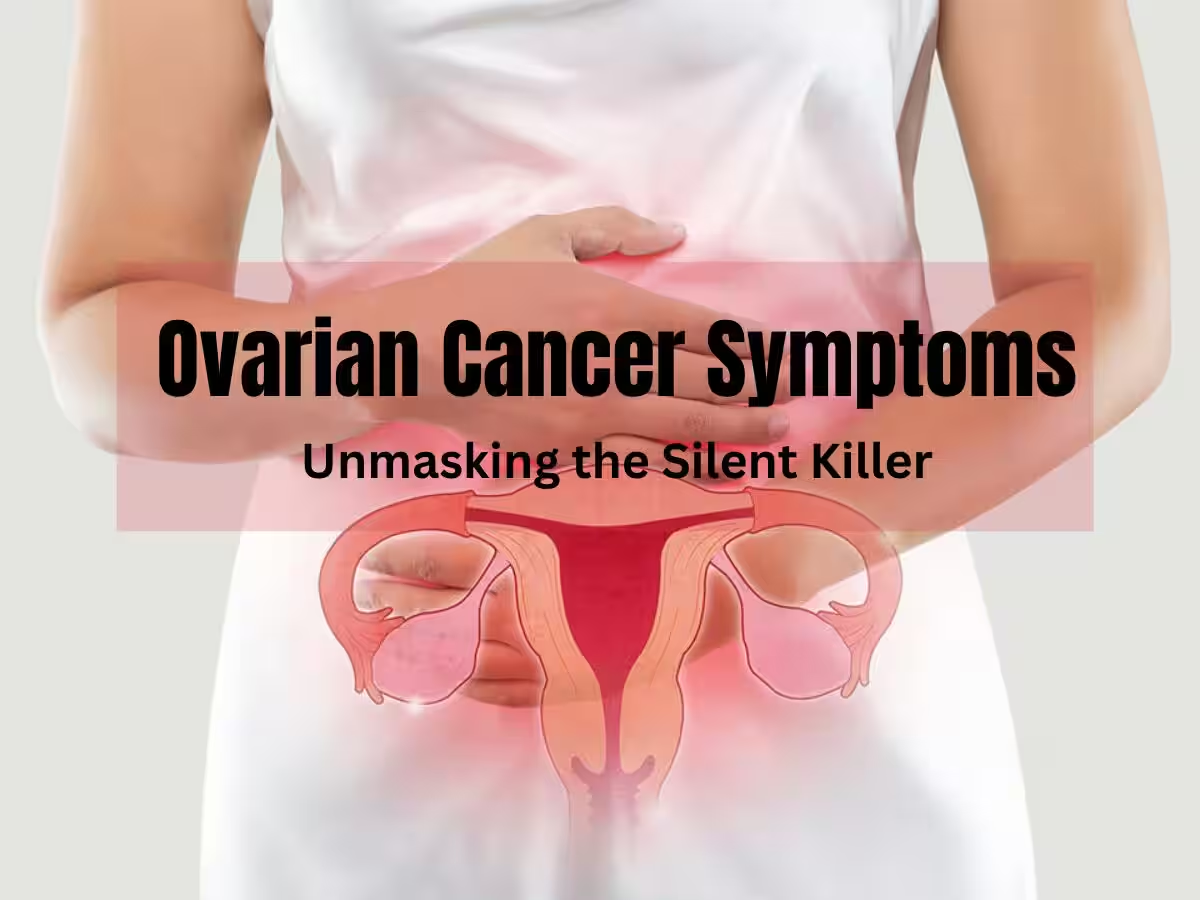
Ovarian cancer is often called the “silent killer” because its early symptoms can be subtle and easily mistaken for everyday discomforts. Many women experience signs that feel normal or minor, leading to delays in diagnosis and treatment. Understanding these symptoms is crucial for early detection and improving outcomes. the shocking truth about ovarian cancer symptoms that feel normal but should never be ignored.
You’ve probably dismissed bloating, fatigue, or abdominal discomfort as “just another day.” Yet, for thousands of women each year, these everyday sensations are early warning signs of something far more serious: ovarian cancer. What makes this type of cancer especially dangerous is how its symptoms blend into the background noise of daily life, leading women — and their doctors — to overlook them for months or even years.
Let’s unravel why these symptoms feel “normal,” what to watch for, and how understanding subtle changes in your body could be life-saving.
Why Ovarian Cancer Symptoms Feel Normal
Ovarian cancer is often called a “silent killer” because its early signs are subtle, vague, and easily mistaken for common conditions like indigestion, stress, or age-related changes. Researchers note that symptoms such as bloating or feeling full quickly mirror harmless issues that women experience regularly, which is why so many dismiss them without a second thought.
Even more concerning, standard screening does not exist for ovarian cancer in women without a known high risk, which means many cases are detected only after the disease has spread. (ovarian.org)
The “Invisible” Nature of Early Ovarian Cancer Symptoms
Doctors emphasize that early ovarian cancer symptoms are not dramatic — they don’t suddenly stop you in your tracks. Instead, they present slowly, creeping into daily life until they’ve been part of your routine for weeks or months. Here’s why:
- Deep location of the ovaries: Tumors grow deep inside the pelvis, so they don’t produce pain or obvious signs early on.
- Overlap with benign conditions: Symptoms often mimic IBS, urinary infections, or simple bloating. (Healthline)
- Lack of reliable screening: Unlike breast or cervical cancer, ovarian cancer lacks a universal early detection test.
Because of these factors, many women normalize the symptoms instead of recognizing them as potential red flags.
Common Ovarian Cancer Symptoms Mistaken for “Normal”
Here’s a breakdown of early ovarian cancer symptoms that women frequently ignore — along with why they might be dismissed:
Key Symptoms People Often Overlook
| Symptom | Why It Feels “Normal” | Why It’s Suspicious |
|---|---|---|
| Persistent bloating | Happens after meals or during menstrual cycles | Ovarian cancer bloating doesn’t go away and recurs frequently |
| Feeling full quickly | Easy to blame on overeating or stress | Can indicate pressure from a growing tumor |
| Pelvic or lower abdominal pain | Attributed to menstrual cramps or muscle strain | Persistent discomfort could mean organ pressure |
| Increased urination | Often linked to hydration or UTIs | Tumors may press on the bladder |
| Fatigue | A common symptom of busy lives | Could reflect systemic effects of cancer |
| Back pain | Frequent complaint in adults | Might be misinterpreted as age-related ache |
| Changes in bowel habits | Laxatives, diet blamed | Persistent change requires evaluation |
Why Women Dismiss These Warning Signs
It’s not that women are negligent — it’s human nature to interpret vague symptoms as harmless, everyday occurrences. Here are a few reasons:
1. Symptoms Resemble Common Conditions
Bloating, stomach discomfort, back pain — these are experiences most women have had for unrelated reasons. When symptoms are familiar, it’s easy to rationalize them as nothing serious.
2. Lack of Public Awareness
A significant number of women are unaware that symptoms like persistent bloating or frequent urination can signal ovarian cancer. Surveys show that many women don’t recognize these connections unless they’ve been educated about them.
3. Misdiagnosis by Healthcare Providers
Because these symptoms mimic more benign issues like IBS or bladder infections, they can be misattributed during consultations.
When “Normal” Becomes a Red Flag
If you’re experiencing any of the above symptoms persistently, it’s important to evaluate patterns over time rather than occasional occurrences. Many health professionals recommend seeking medical advice when symptoms:
- Last for two weeks or more
- Occur frequently (12+ times per month)
- Are new or worsening compared to your usual health state
Tracking symptoms in a daily journal can be incredibly helpful for discussions with your doctor.
What to Do If You Notice Persistent Symptoms
Here are proactive steps you can take if subtle symptoms persist:
- Schedule a doctor’s visit — not to dismiss symptoms, but to document and investigate them.
- Describe patterns clearly — when the symptom started, how often it occurs, and what makes it better or worse.
- Ask about specialized tests — such as CA-125 blood test or transvaginal ultrasound, especially if you have a family history of ovarian or breast cancer.
- Support decisions with symptom tracking — apps or diaries help your clinician understand symptom trends.
Conclusion: Don’t Wait for Obvious Signs
Ovarian cancer doesn’t announce itself loudly — it whispers. That whisper often sounds like bloating after meals, fatigue after work, or mild pelvic discomfort. These sensations feel normal because they’re common, but when they persist or change from your usual pattern, they deserve attention.
Awareness can change outcomes. Educate yourself about subtle symptoms, talk openly with your healthcare provider, and trust your body’s signals. What seems “normal” might be the very clue that leads to early detection — and potentially, life-saving treatment.
Call to Action
If you or a loved one have experienced persistent symptoms that feel normal but worry you, don’t delay: talk to your healthcare provider today. And share this post so others understand the hidden signs that could make all the difference.
Read more about ovarian cancer risks, symptoms, and what to ask your doctor next.