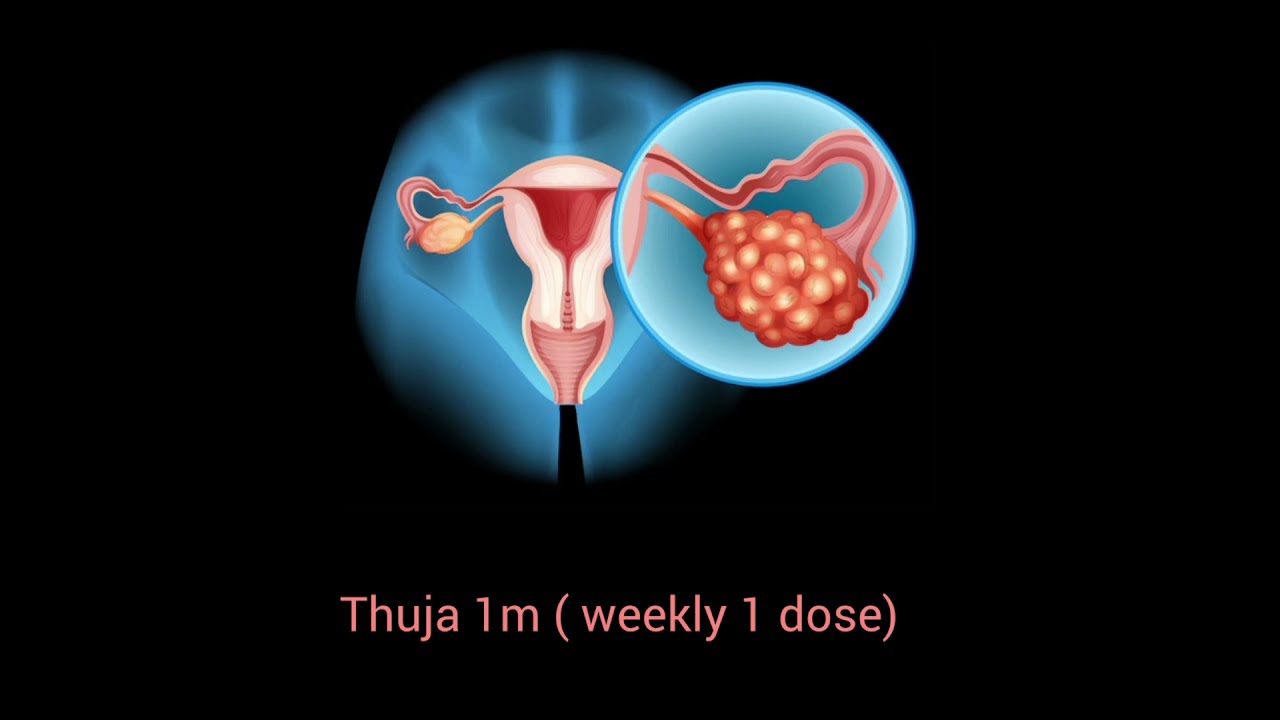
Polycystic Ovary Syndrome (PCOS) is a common hormonal disorder that affects many women of reproductive age, often leading to challenges with fertility. While there are well-known treatments for PCOS-related infertility, there are several lesser-known options and approaches that doctors may not always discuss during consultations. Understanding these alternative treatments can empower women to explore all possible avenues for conception and take a more proactive role in managing their reproductive health. the PCOS fertility treatment options that are rarely explained but could make a significant difference in your journey to parenthood.
Struggling with PCOS and fertility feels like being stuck in a maze with no exit. Most conversations with doctors focus on the same old treatments — but what if there are powerful fertility options you haven’t heard yet?
In this expansive, research-backed guide, you’ll discover stunningly effective PCOS fertility treatments that are often overlooked, misunderstood, or under-explained by many clinicians — alongside evidence, real outcomes, and practical next steps for hopeful families.
What Makes PCOS Fertility So Tricky
Polycystic Ovary Syndrome (PCOS) is one of the leading causes of ovulation-related infertility in women of reproductive age. It disrupts the hormonal signals that trigger ovulation, affecting regular menstrual cycles and egg release. (nichd.nih.gov)
Many women are told to “just lose weight” or to start with the same first-line fertility drug — but the science shows there is more to the story.
Why You May Not Be Told About All Your Options
One of the biggest frustrations women with PCOS report is a lack of comprehensive explanation of all possible treatments. Anecdotes from those in PCOS communities reveal doctors often focus narrowly on basic medication or IVF without explaining alternatives or combinations that might work better first.
This article aims to fill that gap — with evidence you can use.
The Fertility Treatments Doctors Usually Start With
Before we get to the uncommon options, it helps to understand the standard treatments:
| Standard Treatment | What It Does | Notes |
|---|---|---|
| Clomiphene Citrate (Clomid) | Stimulates ovulation | Common first-line therapy |
| Letrozole | Encourages FSH production for ovulation | Often more effective than clomiphene |
| Metformin | Improves insulin sensitivity | May support ovulation when used with meds |
| Gonadotropins | Injectable hormones to trigger ovulation | Typically for later lines of therapy |
| IVF/IUI | Assisted reproductive technologies | For resistant cases or additional infertility factors (nichd.nih.gov) |
These are effective, but they don’t always address the root causes — and often aren’t the best first step for every body.
1. Letrozole: The “Secret” Better First Choice
Letrozole is an aromatase inhibitor originally developed for breast cancer. But in PCOS fertility, it has shown surprising advantages — including higher ovulation and live birth rates compared to the more traditionally used clomiphene citrate.
Despite this, many clinics still default to older options first. If your doctor hasn’t mentioned letrozole yet, it’s worth asking why.
Why it matters:
- Fewer multiple pregnancies vs. clomiphene
- May be more effective in stimulating ovulation
This isn’t alternative medicine — it’s evidence-based care that’s gaining traction.
2. Myo-Inositol: The Metabolic Game-Changer
One of the most under-explained options in PCOS fertility is myo-inositol — a naturally occurring molecule that helps regulate insulin and hormonal signals crucial for ovulation.
It may help by:
- Improving insulin sensitivity
- Normalizing FSH/LH balance
- Supporting better follicle development
This is especially exciting because insulin resistance — not just cycles — drives PCOS in many women.
3. Complementary Therapies That Have Some Evidence
While still emerging in research, certain complementary therapies may assist fertility when combined with medical approaches.
Acupuncture
Clinical reviews suggest acupuncture may:
- Increase ovarian blood flow
- Modulate neuroendocrine hormones
- Improve metabolic factors related to PCOS ovulation
Research into acupuncture’s exact role is ongoing, but it’s one of the better supported complementary interventions.
Note: Always discuss any adjunct therapy with your doctor, especially if using alongside medications.
4. In Vitro Maturation (IVM): IVF Without Full Stimulation
When traditional IVF concerns you — especially due to ovarian hyperstimulation risk — in vitro maturation (IVM) is a lesser-known alternative.
Rather than fully stimulating the ovaries, immature eggs are collected and matured outside the body — potentially reducing side effects like OHSS.
Some studies show promising pregnancy outcomes, though more research is needed.
5. Surgical Ovulation Reset: Laparoscopic Ovarian Drilling
This surgical option is rarely the first choice, but it can reset ovulation for women who don’t respond to medications.
Laparoscopic ovarian drilling involves small perforations in the ovary to reduce androgen production — helping the hormonal balance needed for ovulation.
Benefits:
- Can support natural ovulation
- May have lower multiple pregnancy risk
Risks:
- Surgical complications
- Adhesion formation
Despite risks, for the right candidate this could be a powerful alternative to repeated drug cycles.
6. Individualized Treatment Plans Are Key
One reason many women miss out on these “unexplained” options is a one-size-fits-all approach.
Fertility specialists who take time to analyze your hormones, insulin levels, and cycle patterns tailor plans that combine:
- Lifestyle changes
- Personalized medication plans
- Targeted supplements
- Advanced reproductive tech when necessary
If your provider hasn’t crafted a unique plan for you — it might be time for a second opinion.
PCOS fertility treatment options-Lifestyle Matters More Than You Think
It might sound obvious, but diet, exercise, and weight management consistently show up in evidence as powerful fertility enhancers for PCOS.
Even modest weight loss can:
- Restore regular ovulation
- Improve insulin sensitivity
- Boost chances of conception without heavy medication
This isn’t “just diet advice” — it’s data-backed reproductive science.
Real Stories — Real Frustration
Many women report that doctors only talk about fertility when they specifically ask — leaving symptoms and options unexplored otherwise. That’s part of why this article exists: to empower you with knowledge.
So What Should You Do Next?
Here’s a step-by-step recommendation:
- Ask about letrozole as a first-line ovulation induction.
- Discuss myo-inositol supplementation with your clinician.
- Explore integrative support like acupuncture if appropriate.
- Request a tailored fertility plan from a specialist.
- Consider options like IVM or ovarian drilling only after informed discussion.
Bottom Line
There are unbelievable PCOS fertility treatment options that many doctors don’t lay out clearly — from alternative drugs to metabolic support and surgical techniques. The key is informed action.
By understanding what’s available, women with PCOS can navigate fertility with confidence, armed with options that go beyond the basics.
Call to Action:
👉 Share this article with someone who needs hope today.