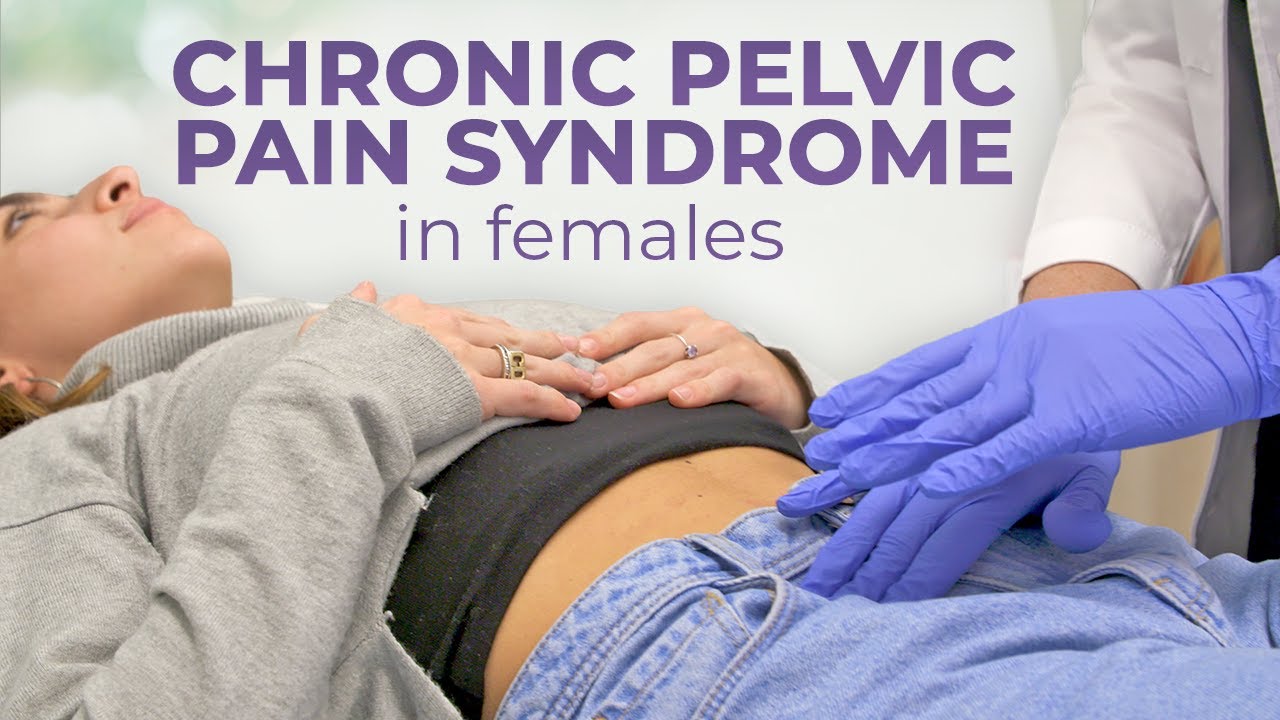
Polycystic Ovary Syndrome (PCOS) is a common hormonal disorder affecting many women of reproductive age, characterized by irregular menstrual cycles, excessive androgen levels, and polycystic ovaries. While PCOS is often discussed in relation to fertility and metabolic issues, its connection to chronic pelvic pain is less commonly recognized. Chronic pelvic pain, a persistent discomfort in the lower abdomen lasting six months or more, can significantly impact a woman’s quality of life. Emerging research suggests that women with PCOS may be more susceptible to experiencing chronic pelvic pain due to hormonal imbalances, inflammation, and associated conditions. Understanding this hidden link is crucial for better diagnosis, management, and improving overall well-being for those affected.
What is PCOS — And Why It’s More Than Just a Hormone Issue
PCOS is one of the most common endocrine disorders in women of reproductive age. It involves a combination of hormonal imbalance, insulin resistance, and irregular ovulation or anovulation.
While many associate PCOS with irregular periods, acne, or weight gain — there’s growing evidence that it also significantly increases the risk of chronic pain, including pelvic pain.
A 2024 review noted that women with PCOS report significantly higher levels of bodily pain — including pelvic pain — than those without PCOS.
So yes: PCOS isn’t just about your cycle. It can quietly wreak havoc under the surface.
Why PCOS Can Lead to Chronic Pelvic Pain
There are a few overlapping, intertwined reasons why PCOS and chronic pelvic pain often go hand in hand.
• Ovarian Cysts, Enlarged Ovaries & Mechanical Pressure
- Women with PCOS often have multiple small ovarian follicles (sometimes miscalled “cysts”) that don’t mature properly.
- In some cases, these follicles can enlarge, or even twist (a condition called ovarian torsion), causing sudden or persistent pelvic pain.
- This can feel like a constant dull ache, pressure, heaviness — sometimes shifting from one side to the other.
In simple terms: your ovaries become overworked, swollen or stressed — and your pelvis pays the price.
• Hormonal Imbalance & Chronic Inflammation
PCOS is characterized by hormonal imbalance — especially elevated androgens — and often insulin resistance
- This hormonal disruption can lead to chronic low-grade inflammation.
- Inflammation can sensitize nerves in the pelvic area. Over time, what might begin as mild discomfort can become persistent pain.
- Pain perception among women with PCOS has been documented to be significantly higher than among those without. (PubMed)
• Pelvic Floor Dysfunction & Muscular Tension
- Hormonal imbalances and inflammation linked to PCOS can affect the pelvic floor muscles — either making them too tight or too weak.
- This dysfunction can result in pain during intercourse, urinary symptoms, or a constant sense of pressure in the lower abdomen or pelvis
• Coexisting Conditions: Endometriosis, IBS, Pelvic Congestion Syndrome
PCOS sometimes overlaps with other conditions that themselves cause pelvic pain: for instance, Endometriosis, digestive issues, or even Pelvic Congestion Syndrome (PCS). (Healthline)
- Endometriosis — abnormal growth of uterine-like tissue outside the uterus — can coexist with PCOS, compounding pain and symptoms. (Healthline)
- PCS involves poorly functioning pelvic veins, causing congestion and pelvic pain unrelated to menstruation or pregnancy. Risk appears higher in people with PCOS.
- Add on bowel or bladder issues (common with PCOS-related inflammation and hormonal disruption), and you get a complex puzzle of overlapping pain triggers.
What PCOS-Related Pelvic Pain Looks Like — Real Symptoms Women Report
Here’s a breakdown of common pelvic-pain patterns associated with PCOS (or related overlap conditions):
| Symptom / Pattern | What It Feels Like / When It Happens |
|---|---|
| Dull, constant ache or heaviness in the lower abdomen / pelvis | Often persistent, may fluctuate but rarely fully goes away |
| Sharp, stabbing or twisting pain (sometimes unilateral) | Can occur suddenly — possibly due to cyst rupture or ovary torsion |
| Pelvic pressure, fullness, bloating | Especially after ovulation, or during hormonal shifts |
| Pain during intercourse (dyspareunia) or after sex | Related to pelvic floor muscle tension or inflammation |
| Pain worsened by sitting/standing long periods, or by exercise | Muscular strain or vascular issues (e.g. PCS) |
| Pain + irregular bleeding, heavy periods, or spotting | Suggests overlapping uterine or endometrial issues |
| Frequent urinary or bowel discomfort + pelvic pain | May indicate pelvic floor dysfunction or digestive involvement |
| Chronic fatigue, low mood, widespread pain | Reflects systemic inflammation, hormonal imbalance, mental-health burden |
Because PCOS affects the body on multiple levels, symptoms rarely show up in isolation. Often, women experience a combination — which makes diagnosis tricky and frustrating.
Why “Pain Isn’t a Common PCOS Symptom” is Outdated — New Research Says Otherwise
In the past, many clinicians dismissed pelvic pain as a “non-typical” PCOS symptom. But recent data challenges that assumption:
- A peer-reviewed study found that women with PCOS report significantly more pain (pelvic, abdominal or generalized) compared to women without PCOS.
- When prescribed standard PCOS treatments (like hormonal contraception, insulin regulators, anti-androgens), many women experienced a noticeable reduction in pelvic or abdominal pain after a few months.
- Experts now acknowledge that PCOS can aggravate or trigger conditions that manifest pain — including ovarian cysts, vascular changes, pelvic floor dysfunction, and overlapping disorders like endometriosis or PCS.
In short: dismissing pelvic pain as “not PCOS-related” may be short-sighted — especially when pain persists.
How to Approach This — What to Do If You Suspect PCOS-Related Pelvic Pain
If you’ve experienced persistent pelvic pain and perhaps other symptoms of PCOS (irregular cycles, weight gain, acne, insulin issues, etc.), here’s a practical roadmap:
- Track your symptoms carefully
- Keep a pain journal: note when pain starts, how it feels (ache, sharp, pressure), what you were doing, what makes it better or worse.
- Record menstrual cycle dates, bleeding patterns, mood, digestive or urinary symptoms.
- Request thorough evaluation (not just routine checks)
- Ask for a full hormonal panel (androgens, insulin/glucose, ovulation status).
- Request pelvic ultrasound (transvaginal or abdominal) — but know that normal “polycystic ovaries” on ultrasound don’t always predict pain.
- Consider specialized consultation
- A gynecologist or endocrinologist familiar with PCOS.
- A pelvic floor physical therapist (if tension, urinary or sexual pain).
- A pain management or vascular specialist if vascular pelvic issues (like PCS) are suspected.
- Adopt a holistic management plan
- Lifestyle changes: diet, exercise, insulin-sensitizing strategies.
- Pelvic floor strengthening/relaxation (depending on what your body needs).
- Medical treatment if indicated (hormonal therapy, anti-inflammatories, metabolic regulation).
- Advocate for yourself — don’t accept “normalization” of your pain
- Chronic pelvic pain deserves respect and investigation.
- If one doctor dismisses your pain: seek a second opinion.
PCOS Pelvic Pain vs Other Causes — How They Compare
Let’s compare PCOS-related pelvic pain to two other common causes: Endometriosis and Pelvic Congestion Syndrome (PCS)
| Condition | Typical Pain Features | Overlapping with PCOS? | Key Differences |
|---|---|---|---|
| PCOS-related pain | Dull ache / pressure; bloating; possible cyst-related sharp pains; pelvic floor discomfort | ✅ Hormonal imbalance, inflammation, ovarian changes | Pain may fluctuate with cycles but also persist chronic regardless of menstruation |
| Endometriosis | Sharp, often debilitating menstrual pain; pain during intercourse; deep pelvic pain; sometimes infertility | ✅ PCOS can coexist with endometriosis | Endometrial-tissue implants outside uterus; often requires surgical or imaging diagnosis |
| Pelvic Congestion Syndrome (PCS) | Dull, heavy ache; worsens after standing long or after sex; possible varicose veins; urinary/bowel pressure | ✅ PCOS may increase vascular risk, hormonal influences may contribute | Blood-flow / vein-valve dysfunction rather than ovarian or uterine origin |
This table shows — while each condition is distinct, their symptoms can overlap heavily. That’s why many women with PCOS endure pain for years before correct diagnosis.
Why This Hidden Link Matters — For Your Health, Fertility & Quality of Life
Ignoring pelvic pain — or assuming it’s “normal for PCOS” — can have serious long-term consequences:
- Chronic pain and reduced quality of life: Persistent discomfort affects daily functioning, mood, intimacy, sleep — and can gradually erode physical and mental health.
- Missed diagnosis of treatable conditions: Over time, ovarian torsion, significant cyst growth, vascular problems, or coexisting endometriosis may worsen without intervention.
- Fertility risks: Repeated inflammation, cyst issues, or pelvic floor dysfunction can interfere with reproductive health.
- Delayed care and higher treatment burden: Early detection and holistic care often lead to better outcomes than waiting until pain becomes debilitating.
Recognizing PCOS as a possible source of pelvic pain — rather than dismissing it — could change your health trajectory entirely.
Final Thoughts — Don’t Let “It’s Just PCOS” Be an Excuse
If you live with PCOS and you’ve had pelvic discomfort, heaviness, bloating, or unexplained aches — pay attention. This isn’t just “how women’s bodies are.” It could be a deeper signal.
Your pain is real. And you deserve answers.
Take action: track your symptoms, ask for thoughtful evaluation, and don’t settle for “that’s how PCOS works.” Pursue understanding. Advocate for your body.
You owe yourself that much.
Share this article if you know someone silently struggling — and let’s bring rising awareness to the secret link between PCOS and chronic pelvic pain.
Call to Action (CTA):
If this resonated with you — share now with a friend who might be silently struggling. And remember: your pain matters. Seek answers today.