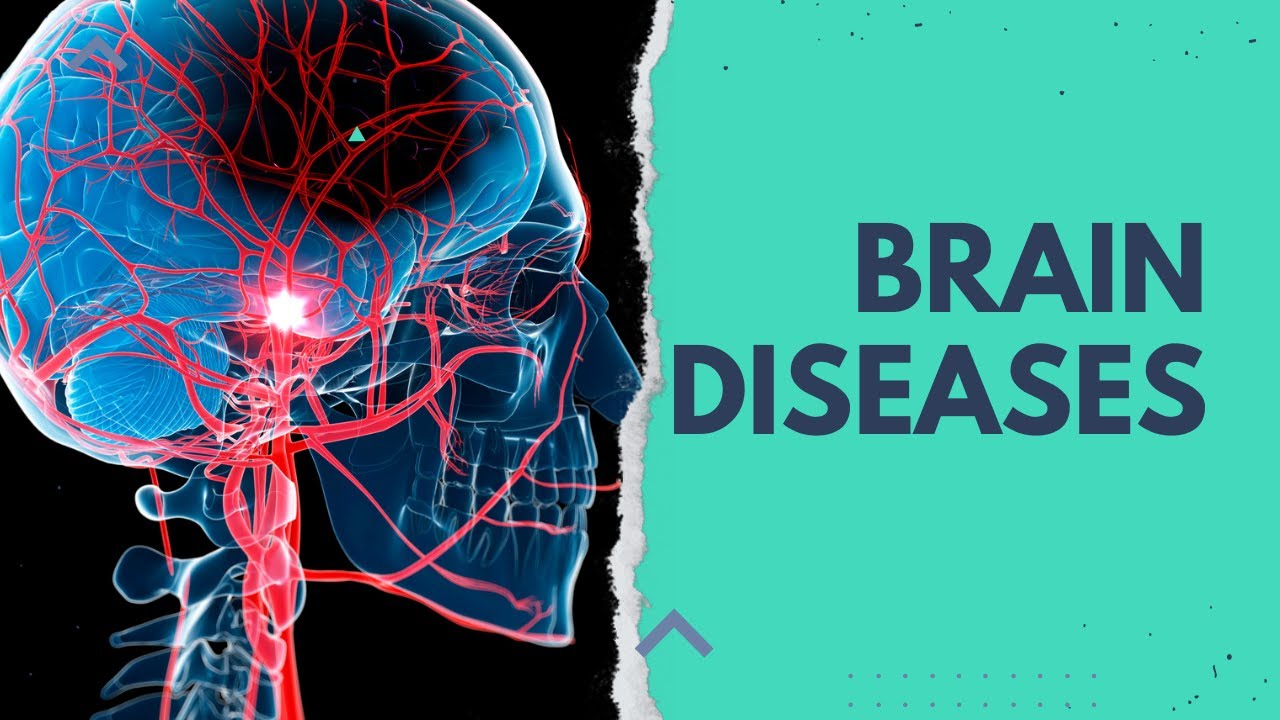
Brain disorders can manifest in subtle ways that are often overlooked or mistaken for everyday stress or fatigue. Early detection is crucial for effective treatment and improved outcomes, yet many warning signs go unnoticed by both patients and healthcare professionals. Understanding these early symptoms can empower you to seek timely medical advice and potentially prevent more serious complications. In this article, we will explore the shocking early signs of brain disorders that doctors frequently ignore, shedding light on what you should watch for to protect your brain health.
What if the symptoms you’ve been brushing off are not “just stress”?
What if your body has been whispering warnings long before anyone thought to listen?
Brain disorders rarely begin with dramatic seizures or sudden paralysis. More often, they start quietly — with subtle changes in mood, sleep, memory, or personality. These early signs of brain disorders are frequently misunderstood, minimized, or misdiagnosed as anxiety, aging, burnout, or hormonal shifts.
And that’s the real danger
Why Early Signs of Brain Disorders Are Often Missed
When most people think of brain disorders, they imagine advanced stages — severe memory loss, tremors, confusion, or hospitalization. But the brain is adaptive. It compensates.
In the early phase, symptoms are:
- Mild
- Intermittent
- Easy to rationalize
- Similar to common life stressors
This overlap is why early signs of brain disorders often go unnoticed for months — sometimes years.
According to neurological data summarized by the National Institute of Neurological Disorders and Stroke, many neurological conditions develop gradually, with symptoms that mimic routine health complaints.
That’s why awareness matters.Warning Signs for Brain Tumors and Neurological Disorders
Use this link to support specific symptoms like severe headaches or unusual neurological changes:
👉 https://www.mayoclinic.org/diseases-conditions/brain-tumor/symptoms-causes/syc-20350084
The Shocking Early Signs of Brain Disorders You Should Never Ignore
Let’s break down the subtle but serious warning signals.
1. Persistent Brain Fog That Doesn’t Improve
Occasional forgetfulness happens to everyone. But brain fog linked to neurological dysfunction feels different.
You may notice:
- Difficulty concentrating
- Slower thinking speed
- Trouble processing conversations
- Forgetting simple tasks
If brain fog persists for weeks without improvement, it could signal inflammatory, degenerative, or autoimmune brain disorders.
Chronic brain fog is increasingly being studied in relation to early neuroinflammation and cognitive disorders.
2. Subtle Personality Changes
This one is deeply unsettling.
Family members may notice before you do.
Early signs of brain disorders sometimes include:
- Irritability without cause
- Social withdrawal
- Sudden impulsivity
- Loss of empathy
- Reduced motivation
Certain conditions affecting the frontal lobe can alter behavior long before cognitive decline becomes obvious.
If someone says, “You’re not yourself lately,” don’t dismiss it lightly.
3. Sleep Pattern Disruption That Feels “Different”
Sleep problems are common. But neurological sleep disturbance often includes:
- Acting out dreams
- Vivid nightmares
- Sudden insomnia with no stress trigger
- Excessive daytime sleepiness
Emerging evidence suggests REM sleep behavior disorder can precede certain neurodegenerative conditions by years.
If sleep disruption feels abnormal rather than situational, investigate further.
4. Unexplained Mood Shifts
Mood symptoms are frequently misdiagnosed as purely psychiatric.
However, early signs of brain disorders may include:
- Sudden depression without life triggers
- Anxiety that feels physical and intense
- Emotional flatness
- Panic episodes with cognitive slowing
The brain regulates emotional circuitry. When neurological pathways are disrupted, mood often shifts before memory does.
Comparison Table: Commonly Ignored Symptoms vs. Potential Neurological Causes
| Early Symptom | Often Misdiagnosed As | Possible Underlying Brain Disorder |
|---|---|---|
| Brain fog | Stress, burnout | Neuroinflammation, early cognitive disorder |
| Personality change | Midlife crisis | Frontal lobe dysfunction |
| Sleep disturbance | Insomnia | REM behavior disorder, neurodegeneration |
| Mood swings | Anxiety/depression | Neurochemical imbalance |
| Frequent headaches | Migraine | Structural or vascular abnormality |
This doesn’t mean every headache signals a brain disorder.
But persistent, progressive, or unusual patterns should not be ignored.
Headaches That Feel “Different”
Not all headaches are dangerous. But warning signs include:
- Headaches worsening over time
- Headaches with vision changes
- Headaches with confusion
- Headaches after minor injury
If a headache is new, severe, or paired with neurological symptoms, it warrants evaluation.
The shocking warning signs of brain tumors often begin subtly — not dramatically.
The key is pattern change.
Memory Loss That Isn’t “Just Aging”
Forgetting names occasionally is normal.
But concerning memory changes include:
- Repeating questions frequently
- Getting lost in familiar places
- Difficulty managing finances
- Forgetting recent conversations
Early cognitive decline often appears years before diagnosis.
If memory changes interfere with daily function, evaluation is essential.
The Silent Role of Inflammation in Early Brain Disorders
Chronic inflammation is increasingly linked to neurological decline.
Possible contributors include:
- Poor diet
- Chronic stress
- Sleep deprivation
- Autoimmune activity
- Uncontrolled metabolic disorders
Neuroinflammation can alter neurotransmitter balance and cognitive clarity long before structural damage is visible.
This is why lifestyle medicine is gaining attention in neurology.
Sensory Changes People Dismiss
Subtle sensory symptoms may appear early:
- Reduced sense of smell
- Tingling in extremities
- Blurred or double vision
- Sensitivity to light
These may precede motor or cognitive changes.
Never ignore progressive sensory abnormalities.
When Early Signs of Brain Disorders Become an Emergency
Seek immediate medical attention if symptoms include:
- Sudden weakness
- Slurred speech
- Severe confusion
- Seizures
- Loss of consciousness
These may indicate stroke or acute neurological events.
Time is critical.
Why Doctors Sometimes Miss Early Signs of Brain Disorders
It’s not negligence — it’s complexity.
Reasons include:
- Symptoms overlap with mental health conditions
- Early imaging may appear normal
- Patients underreport mild changes
- Short consultation times
This is why self-advocacy matters.
If something feels persistently wrong, pursue further evaluation.
How to Advocate for Proper Evaluation
If you suspect early signs of brain disorders:
- Document symptoms with dates
- Track severity and frequency
- Request neurological referral
- Ask about cognitive screening
- Consider imaging if recommended
Objective documentation strengthens clinical assessment.
Risk Factors You Should Be Aware Of
Certain individuals face increased risk:
- Family history of neurological disease
- Chronic hypertension
- Diabetes
- History of head trauma
- Long-term substance abuse
- Severe untreated sleep disorders
Knowing your risk helps guide proactive monitoring.
Lifestyle Steps That Support Brain Health
While not all brain disorders are preventable, protective habits include:
- Anti-inflammatory diet
- Regular aerobic exercise
- Cognitive stimulation
- Quality sleep
- Stress regulation
- Blood pressure control
These strategies support vascular and metabolic brain health.
The Emotional Toll of Ignored Symptoms
Perhaps the most overlooked issue is psychological.
Many people feel:
- Dismissed
- Embarrassed
- Frustrated
- Afraid
Early neurological symptoms can be deeply isolating.
But awareness reduces fear.
Knowledge empowers action.
Final Thoughts: Listen to the Whispers Before They Become Screams
The brain rarely fails overnight.
signals.
It adapts.
It compensates.
But early signs of brain disorders are often quiet.
If you notice persistent changes in memory, personality, mood, sleep, or cognition — don’t ignore them. Early evaluation improves outcomes, expands treatment options, and may slow progression.
Your brain is not something to gamble with.
Call to Action
If this article opened your eyes, don’t keep it to yourself.
Share Now with someone who needs to see it.