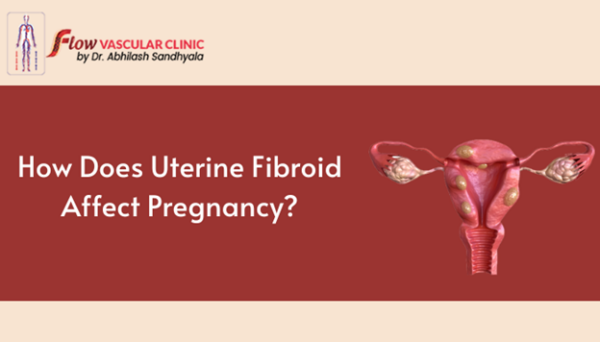
Fibroids are non-cancerous growths that develop in or around the uterus and are common among women of reproductive age. While many women with fibroids experience no symptoms, these growths can sometimes impact pregnancy in surprising and significant ways. Understanding how fibroids affect pregnancy is crucial for expecting mothers and those planning to conceive, as they can influence fertility, pregnancy progression, and delivery outcomes. In this article, we uncover the shocking truth about the relationship between fibroids and pregnancy, shedding light on potential risks and what you can do to manage them effectively.
You finally see two pink lines… then panic hits.
Can fibroids affect pregnancy—and could they ruin everything?
It’s one of the most searched, whispered, and anxiety-filled questions women ask after a fibroid diagnosis. And the truth? It’s more complicated—and more hopeful—than fear-based headlines make it seem.
Let’s talk honestly.
Can Fibroids Affect Pregnancy? Understanding the Real Basics
Yes—fibroids can affect pregnancy, but not always, and not in the way many women fear.
Fibroids (also called uterine fibroids or leiomyomas) are non-cancerous growths that develop in or around the uterus. Many women have fibroids and never know it. Others experience symptoms like heavy periods, pelvic pressure, or fertility struggles.
Here’s the reassuring truth:
- Most women with fibroids get pregnant naturally
- Many carry healthy pregnancies to full term
- Problems depend on size, number, and location
According to clinical data summarized by the Mayo Clinic, only certain fibroids are linked to pregnancy complications, especially those that distort the uterine cavity
source embedded naturally: uterine fibroids and pregnancy risks
When Location Matters Most
Not all fibroids behave the same way—and this is where confusion (and fear) often begins.
Doctors classify fibroids based on where they grow:
- Submucosal fibroids – grow inside the uterine cavity
- Intramural fibroids – grow within the uterine wall
- Subserosal fibroids – grow on the outer surface of the uterus
Submucosal fibroids are the most likely to interfere with pregnancy because they can:
- Distort the uterine lining
- Prevent embryo implantation
- Increase miscarriage risk
Research reviewed by the American College of Obstetricians and Gynecologists (ACOG) confirms that fibroid location—not just size—is the strongest predictor of pregnancy impact
source embedded naturally:
Quick Comparison Table: Fibroids and Pregnancy Impact
| Fibroid Type | Can Fibroids Affect Pregnancy? | Common Outcome |
|---|---|---|
| Submucosal | Yes, significantly | Implantation issues, miscarriage |
| Intramural | Sometimes | Depends on size and distortion |
| Subserosal | Rarely | Usually no pregnancy impact |
Conception vs Carrying a Baby
This is where many women get confused.
Fibroids can affect getting pregnant and staying pregnant, but these are two different things.
How fibroids may affect conception
- Block sperm movement
- Alter blood flow to the uterine lining
- Prevent implantation
How fibroids may affect pregnancy
- Increase risk of miscarriage
- Cause pain as the uterus expands
- Raise chances of preterm labor (in rare cases)
Still, studies show most fibroid-related pregnancies progress normally, especially when fibroids are monitored early.
Can Fibroids Affect Pregnancy? Symptoms During Pregnancy to Watch
Many women discover fibroids during pregnancy—often during a routine ultrasound.
Common pregnancy-related fibroid symptoms include:
- Pelvic pain or pressure
- Abdominal discomfort
- Occasional bleeding (not always dangerous)
- Rapid fibroid growth due to hormones
Important note:
Fibroid pain during pregnancy is usually temporary and manageable, often responding well to rest, hydration, and medical guidance.
Can Fibroids Affect Pregnancy? Miscarriage Risk Explained Simply
This is the fear no one wants to say out loud.
Yes—certain fibroids can slightly increase miscarriage risk, especially:
- Submucosal fibroids
- Large fibroids (>5 cm)
- Multiple fibroids that distort the uterus
But here’s the key reassurance:
The majority of women with fibroids do NOT miscarry.
Doctors focus on:
- Monitoring fibroid growth
- Managing symptoms early
- Avoiding unnecessary interventions during pregnancy
Can Fibroids Affect Pregnancy? Delivery and Birth Outcomes
Most women with fibroids still have vaginal deliveries.
However, fibroids may sometimes:
- Change baby’s position (breech)
- Increase likelihood of C-section (when fibroids block birth canal)
- Cause postpartum bleeding (rare, manageable)
These risks are well known and well managed in modern obstetric care.
Can Fibroids Affect Pregnancy? Should Fibroids Be Removed Before Pregnancy?
This is one of the most misunderstood questions online.
Fibroid removal (myomectomy) is not automatically required.
Doctors may recommend removal before pregnancy if:
- Fibroids distort the uterine cavity
- There’s a history of miscarriage
- Fibroids cause severe symptoms
Otherwise, many women are advised to:
- Monitor fibroids
- Try to conceive naturally
- Avoid unnecessary surgery
Can Fibroids Affect Pregnancy? Emotional Impact No One Talks About
Beyond the medical facts, there’s the emotional toll.
Women often feel:
- Fear after diagnosis
- Guilt for “waiting too long”
- Anxiety during pregnancy milestones
- Frustration with conflicting advice online
If this is you—know this:
Having fibroids does not mean your body has failed you.
Conclusion: So… Can Fibroids Affect Pregnancy? Yes—But Not the Way You Think
Let’s end the fear spiral.
Fibroids can affect pregnancy
Most women still conceive and deliver healthy babies
Location matters more than size
Early monitoring changes outcomes
Knowledge is power—not panic
With proper care, awareness, and support, fibroids don’t get the final say in your pregnancy story.
CTA
Found this helpful? Share it with another woman who needs reassurance.
Want deeper insight? Read More on fertility-safe fibroid treatments.