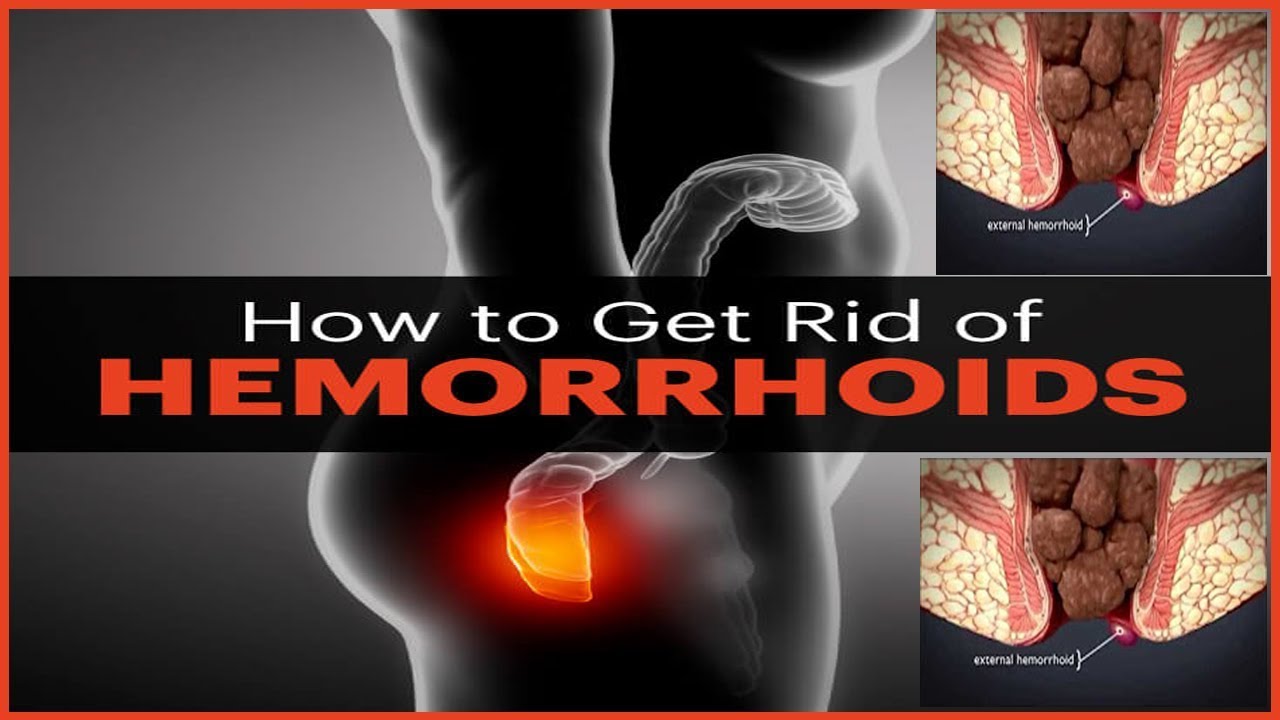
Hemorrhoids are a common condition that affects millions of people worldwide, yet many suffer in silence, especially during midlife. While often dismissed as a minor inconvenience, untreated hemorrhoids can lead to serious complications that impact quality of life and overall health. we uncover the shocking truth about what happens when hemorrhoids go untreated in midlife, shedding light on the risks, symptoms, and the urgent need for proper care. Whether you’re experiencing discomfort or simply want to be informed, understanding the realities of untreated hemorrhoids is crucial for maintaining your well-being.
It starts as a small irritation. A little itching. Occasional bleeding. You think, “It’s nothing serious — everyone gets hemorrhoids.” But what if ignoring it puts your health at real risk as you get older?
For millions over the age of 40, what looks like a harmless annoyance can quietly escalate into problems that extend far beyond discomfort — from chronic bleeding and anemia to painful tissue damage or even surgical intervention.
In this post, we’re going beyond surface-level advice. You’ll learn the real consequences of leaving hemorrhoids untreated, what medical research shows, and how to recognize the warning signs most people miss.
Why Ignoring Hemorrhoids After 40 Could Be One of Your Biggest Health Mistakes
You’ve probably seen hemorrhoids listed on health sites as annoying but benign. But here’s the twist: for adults over 40, ignoring them can lead to serious complications doctors rarely talk about upfront. And most people don’t even realize the risks until it’s too late.
What Are Hemorrhoids — Really?
Hemorrhoids, also known as piles, are swollen veins in and around the anus or lower rectum — much like varicose veins that appear in the legs. They can be:
- Internal (inside the rectum),
- External (under the skin around the anus), or
- Thrombosed (when a blood clot forms in an external hemorrhoid).
Most people will develop hemorrhoids at some point — and about half of adults over age 50 experience symptoms at some level, making it especially common as we age. (NIDDK)
Why People Over 40 Should Take Hemorrhoids Seriously
Aging isn’t just a number — it’s a physiological shift that makes your veins and connective tissues less resilient. After 40:
- Veins lose elasticity
- Tissue support weakens
- Constipation becomes more frequent
- Digestive health can slow down
All of these make hemorrhoids harder to heal and more likely to worsen without intervention.
The Hidden Risks of Leaving Hemorrhoids Untreated
Let’s dig into what can actually happen if you brush off hemorrhoid symptoms for months or years.
1. Chronic Bleeding and Anemia
Persistent anal bleeding — even if it seems minor — can slowly drain your body of iron, leading to iron-deficiency anemia.
Symptoms include:
- Fatigue
- Weakness
- Shortness of breath
- Pale skin
This is more common than most realize and can compound with age, especially after 40.
2. Thrombosis: When Pain Spikes Overnight
A thrombosed hemorrhoid occurs when a blood clot forms inside the swollen vessel. This isn’t just uncomfortable — it’s intensely painful, often appearing suddenly and making simple sitting feel unbearable.
3. Strangulation and Tissue Damage
If an internal hemorrhoid prolapses (protrudes out of the anus) and gets trapped by surrounding muscle, the blood supply can be cut off — a process called strangulation.
This leads to:
- Tissue death (necrosis)
- Severe pain
- Possible infection
- Potential need for emergency surgery
Strangulated hemorrhoids are a medical emergency — and all too many ignore early signs until it gets to this point.
4. Infection and Skin Breakdown
Open sores, chronic irritation, and mucus discharge create an environment that can attract bacteria. Left unchecked, this can escalate into:
- Anal or perianal infections
- Abscess formation
- Increased inflammation and itching
- Higher risk of serious complications, especially if immune systems are compromised
5. Diminished Quality of Life
Even without dramatic complications, untreated hemorrhoids can significantly interfere with daily living:
- Difficulties sitting for long periods
- Avoidance of physical activities
- Anxiety about bowel movements
- Embarrassment or social withdrawal
Common Symptoms People Brush Off (But Shouldn’t)
Many adults over 40 think minor symptoms are just “part of aging,” but these are warning signs:
- Bright red blood during bowel movements
- Persistent itching or irritation
- Pain while sitting or walking
- A feeling of fullness after passing stool
- Recurrent swelling or lumps
If these persist for more than a week despite basic home care, it’s time to seek professional guidance.
Hemorrhoids At A Glance: Symptoms vs. Complications
| Mild Symptoms | Serious Complications |
|---|---|
| Occasional itching | Chronic anemia |
| Slight bleeding | Thrombosis (clots) |
| Minor discomfort when sitting | Strangulated hemorrhoid |
| No interference with daily life | Infection or abscess |
| Temporary swelling | Surgical intervention needed |
This table highlights why early action matters — mild symptoms can hide something far more serious.
How Early Treatment Makes a Difference
Thankfully, many hemorrhoids can be managed or prevented from worsening with:
- Increased fiber intake and hydration
- Avoiding prolonged sitting
- Adopting good bathroom habits (no straining)
- Warm sitz baths for symptom relief
- Medications and non-surgical procedures
For more advanced cases, procedures such as rubber band ligation can provide relief with minimal recovery time.
Real Talk: When to See a Doctor
Don’t wait for emergency pain or bleeding to force you into care. You should seek medical advice if:
- Symptoms last longer than 7 days
- You notice significant bleeding
- You feel a lump that doesn’t retract
- Daily activities are limited by pain
Early consultation can prevent progression into conditions requiring surgery or more invasive treatment.
Final Thoughts: Don’t Let Hemorrhoids Sneak Up On You After 40
Hemorrhoids may start small, but over time they can spiral into issues that affect your health, energy, comfort, and confidence. For adults over 40, taking early action isn’t just about comfort — it’s about protecting your long-term health.
If you’ve noticed symptoms or ignored them thinking “it’ll go away”, this is your wake-up call: take action now.
Call-to-Action
If this article resonated with you, share it with someone who needs to read this now — and take a moment to book a health check if you’ve been ignoring those signs for too long.