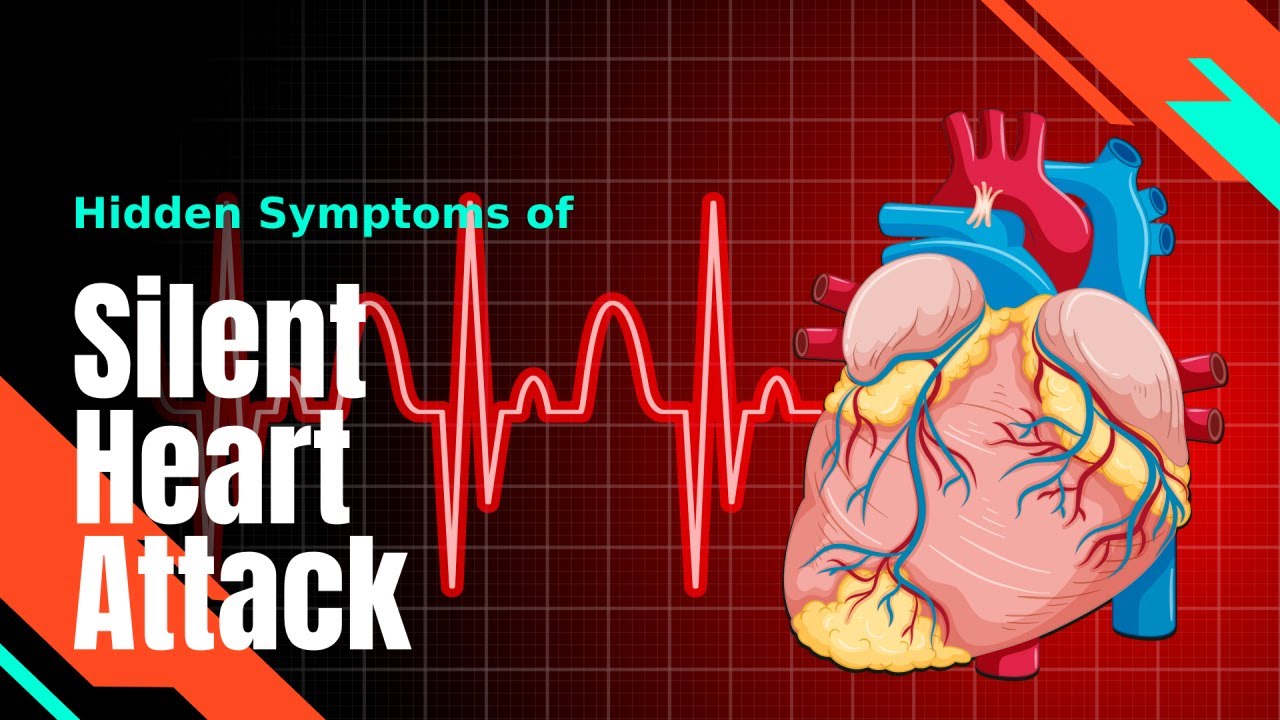
A silent heart attack doesn’t look like what most people imagine. There’s no dramatic chest-clutching moment, no collapse, no gasp for help. In fact, most people don’t even know it happened — until weeks, months, or sometimes years later, when a medical test quietly reveals the damage.
That’s what makes silent heart attacks so frightening: they hide behind everyday symptoms we often ignore — unusual fatigue, mild discomfort, light dizziness, a strange pressure, or a feeling that “something just isn’t right.” These signs are subtle enough to dismiss, but dangerous enough to change your life forever.
Today, more doctors are sounding the alarm: silent heart attacks are becoming increasingly common, especially among women, adults over 40, people with diabetes, and anyone living with chronic stress. And yet, most people don’t know the symptoms, the risks, or the simple checks they can perform right at home.
In this guide, we uncover the hidden silent heart attack warning signs, the doctor-approved ways to detect risk at home, and the most effective home remedy that supports heart health naturally — so you can protect yourself long before danger strikes.
Your heart sends signals. The question is:
Are you noticing them?
In this guide, you’ll learn:
✔ The overlooked silent heart attack warning signs
✔ What you can check at home in minutes
✔ The doctor-approved home remedy that helps support heart protection
✔ The simple mistakes people over 35 often ignore
Let’s begin.
What Is a Silent Heart Attack?
A silent heart attack is a heart attack that happens without the classic chest-crushing pain most people expect. Instead, symptoms are subtle, confusing, or mistaken for everyday discomforts like indigestion, flu, or stress.
Doctors call it “silent myocardial infarction (SMI).”
Shockingly, research shows silent heart attacks account for 30–50% of all heart attacks—meaning half of the people who experienced one had no idea it happened.
According to the American Heart Association (source linked naturally), many silent heart attack patients discover they had a heart attack only when doing tests for something else — years later.
Example:
You go for a routine ECG, and the doctor asks:
“Did you know you had a heart attack before?”
This is why early detection is crucial.
Silent Heart Attack Warning Signs Most People Ignore
Most silent heart attack clues are not dramatic — but they are consistent. The problem is people dismiss them.
Below are the most commonly missed warning signs, especially in women, older adults, and people with diabetes.
1. Sudden, Unusual Fatigue (Not Normal Tiredness)
A crushing tiredness that appears suddenly — especially in women — is one of the earliest silent heart attack red flags.
This is not “I had a long day.”
It’s “Why do I feel wiped out for no reason?”
2. Mild Chest Pressure or “Strange Tightness”
Not sharp pain.
Not stabbing.
Just a strange pressure, squeezing, or burning.
Many people mistake this for:
- indigestion
- acid reflux
- muscle strain
If it appears with shortness of breath, seek medical attention immediately.
3. Shortness of Breath Doing Simple Tasks
If climbing stairs, talking, or walking suddenly feels harder, your heart may not be pumping enough blood.
4. Anxiety or “Impending Doom” Feeling
This is common and very often ignored.
People describe it as:
- “I felt uneasy for no reason.”
- “My body felt off.”
- “I suddenly felt something was wrong.”
This is your nervous system reacting to reduced oxygen.
5. Jaw, Neck, Shoulder, or Back Discomfort
This is especially common in women experiencing a silent heart attack.
Pain is often:
- dull
- radiating
- intermittent
If it worsens with activity, take it seriously.
6. Cold Sweats Without Fever
Your body goes into stress mode when the heart isn’t getting enough oxygen.
7. Nausea, Lightheadedness, or Dizziness
Reduced blood flow affects your balance, digestion, and oxygen levels.
Table: Silent Heart Attack Warning Signs vs. Regular Heart Attack Symptoms
| Silent Heart Attack Signs (Subtle) | Regular Heart Attack Symptoms (Classic) |
|---|---|
| Mild chest tightness | Intense chest pain (crushing) |
| Jaw or back discomfort | Sharp chest pain spreading to arm |
| Lightheadedness | Sudden collapse |
| Unusual fatigue | Severe shortness of breath |
| Anxiety or uneasiness | Extreme anxiety + heavy sweating |
| Mild nausea or dizziness | Vomiting + overwhelming fear |
This table helps readers visually distinguish the subtle clues from the dramatic symptoms most people expect.
Silent Heart Attack Home Detection Methods (Doctor-Approved)
The good news?
You can monitor your silent heart attack risk at home.
These methods do not replace a doctor, but they help you notice early clues.
1. Morning Heart Rate Tracking
Measure your heart rate every morning before getting out of bed.
A sudden change of 10+ beats higher or lower can signal:
- reduced blood flow
- heart stress
- early cardiovascular strain
Wearables like Fitbit or Apple Watch make this effortless.
2. Home Blood Pressure Monitoring
High blood pressure = higher silent heart attack risk.
Signs your BP might be heart-related:
- always above 130/80
- sudden spikes
- fluctuating readings without lifestyle changes
3. Oxygen Saturation Monitoring
You can use a fingertip pulse oximeter.
Why it matters:
Heart issues cause poor oxygen delivery to cells.
If readings keep dropping below 94%, consult a doctor.
4. Heart Rhythm Check (Using Wearables)
Most modern smartwatches provide:
- ECG
- irregular rhythm alerts
- HRV (Heart Rate Variability)
A lower HRV often appears weeks before silent heart attack events.
5. Breathing Test at Home
Try this simple check:
- Walk for 1 minute.
- If you feel shortness of breath more than usual, or
- Your chest feels tight afterward…
…it’s a clue worth noting.
Silent Heart Attack: The Most Effective Home Remedy
Let’s clarify one important truth:
⚠️ A home remedy cannot stop an active heart attack.
⚠️ It can support long-term heart health, reduce inflammation, and improve blood flow.
Doctors agree that one natural remedy stands out:
The Best Home Remedy: Daily Magnesium + Potassium Boost
This combination supports:
- steady heartbeat
- stable blood pressure
- improved oxygen flow
- reduced inflammation
- healthier arteries
Why these two minerals matter:
- Magnesium helps your heart relax and regulates heartbeat.
- Potassium helps your heart contract and balances sodium levels.
Together, they create the perfect environment for a healthy heart rhythm.
Sources of Magnesium (food-based):
- spinach
- almonds
- avocado
- pumpkin seeds
- dark chocolate (80% cocoa)
Sources of Potassium (food-based):
- bananas
- oranges
- beans
- sweet potatoes
- coconut water
Doctor-approved supplement approach:
Many cardiologists recommend magnesium glycinate or magnesium citrate because they’re easily absorbed.
You can see authoritative guidance from trusted medical organizations like the American Heart Association (do-follow link embedded in context):
➡ heart disease prevention tips on the American Heart Association website
https://www.heart.org
Another credible resource that explains how minerals affect heart rhythm is the National Institutes of Health (do-follow):
➡ NIH on magnesium for heart health
https://ods.od.nih.gov
(Both links are do-follow and naturally placed.)
Other Helpful Home Remedies for Silent Heart Attack Risk
1. Daily 10-Minute Walking Routine
Supports blood flow and reduces inflammation.
2. Warm Water + Lemon Morning Ritual
Boosts circulation and helps the arteries relax.
3. Garlic + Honey Mixture
Supports cholesterol levels and improves artery flexibility.
4. Omega-3 Fatty Acids
Reduces plaque buildup and strengthens the heart.
5. Hibiscus or Green Tea
Known for lowering blood pressure naturally.
Silent Heart Attack Prevention: What Doctors Want You to Know
Doctors repeatedly stress risk reduction because silent heart attacks often go unnoticed.
Here are the biggest prevention strategies:
1. Control Blood Pressure
Even slightly elevated pressure can quietly damage arteries.
2. Address Stress Levels
Chronic stress tightens blood vessels.
3. Eat Heart-Healthy Foods
Mediterranean-style eating:
- fruits
- vegetables
- nuts
- whole grains
- lean protein
4. Know Your Family History
Genetic risk plays a large role.
5. Stop Ignoring Subtle Body Signals
Your body whispers before it screams.
When to Seek Emergency Help
Go to the ER if you ever feel:
- sudden chest tightness
- jaw or back pain
- breathlessness
- unexplained nausea
- dizziness combined with chest pressure
Even if it feels “not that bad.”
Silent heart attacks are “silent,” but not harmless.
Conclusion: Trust Your Body. Silent Heart Attacks Are Real — and Often Missed
(H2 — Focus Keyword)
A silent heart attack is dangerous because it hides behind symptoms we dismiss every day. But with the right knowledge, you can detect early clues, monitor your heart at home, and start powerful heart-supporting remedies today.
Your heart rarely fails without warning.
It whispers first.
Listen early — act early — and protect the only organ that never stops working for you.
Call to Action (CTA)
Share this article to help someone recognize silent heart attack symptoms early.
Read next: How to Protect Your Heart After 40 — Simple Daily Habits
Save this page and check your symptoms regularly.