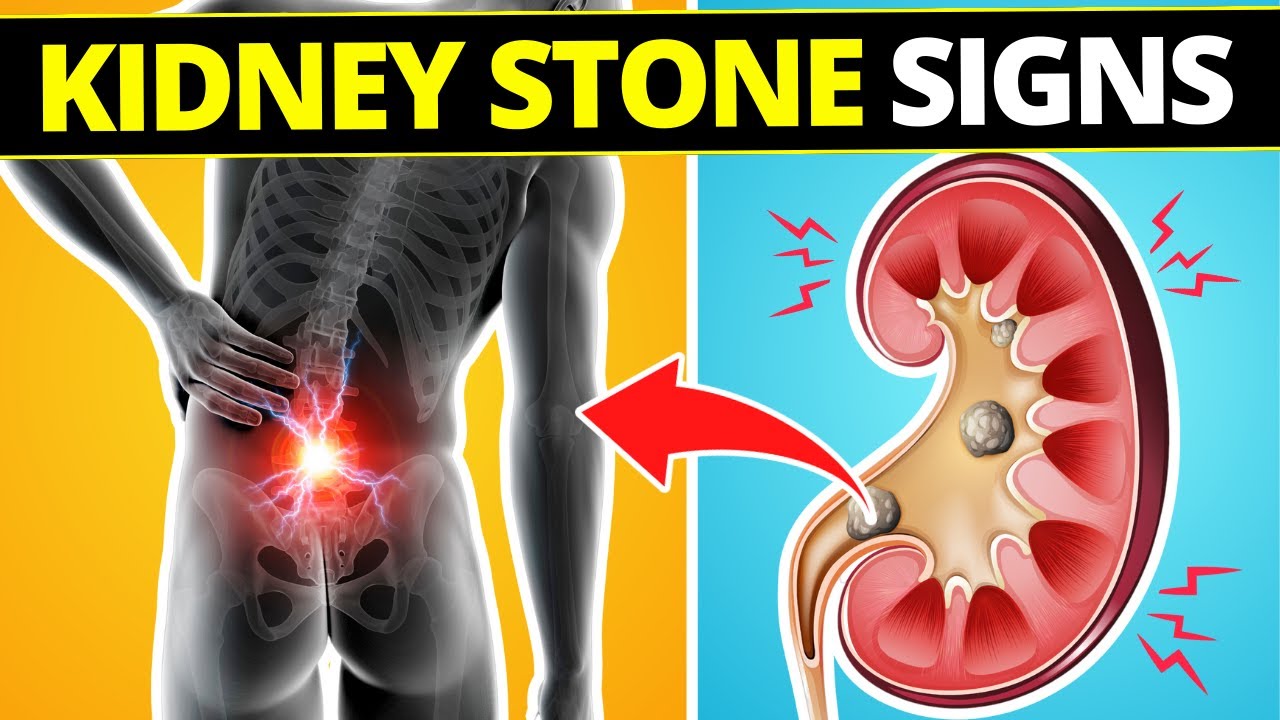
The Hidden Early Signs of Kidney stones are a common and often painful condition, yet many people remain unaware of the subtle early signs that could signal their development. While most individuals associate kidney stones with severe pain and discomfort, there are hidden symptoms that often go unnoticed or are mistaken for less serious issues. Understanding these early warning signs can lead to quicker diagnosis and treatment, potentially preventing more severe complications.uncover the lesser-known early indicators of kidney stones that doctors might not always highlight, empowering you to recognize the signs before the pain becomes unbearable.
What if tiny crystals forming in your kidneys could whisper “danger ahead” long before agony strikes?
Most people only recognize kidney stones when the pain becomes unbearable — but that’s too late.
If you’ve ever wondered whether those odd sensations or changes in your body could be a hidden kidney stone warning sign, this article reveals the truth doctors don’t always emphasize.
Why Most People Miss Early Kidney Stone Warning Signs
Kidney stones often form silently. In fact, small stones can exist for months without ever causing obvious symptoms. But as soon as they begin to move or block urine flow, your body starts sending signals — subtle at first, shocking later. (Mayo Clinic)
Before we jump into the symptoms you should never ignore, let’s understand what kidney stones really are.
What Are Kidney Stones? (Simply Explained)
Kidney stones are hard mineral and salt deposits that form inside your kidneys. They develop when urine becomes concentrated — allowing crystals to stick together.
Your body can produce different types of stones based on diet, hydration, genetics, and even medications.
The Unbelievable Early Kidney Stone Warning Signs Most People Miss
Some signs are obvious. Others are subtle, easily mistaken for stress, gas, or normal bathroom issues — until sudden intense pain changes everything.
1. Persistent Dull Ache in Your Back or Side
Before pain spikes into waves, you might feel a nagging discomfort just below your ribs — especially on one side. This can be an early warning signal that a stone is shifting.
2. Changes in Urine Color or Quality
Your pee could start to look off — even before pain arrives:
- Blood-tinged urine (pink/red/brown) indicates irritation or micro-bloody discharge.
- Cloudy or foul-smelling urine may signal early irritation in the urinary tract.
These changes don’t happen randomly — they’re your body’s alarm system.
3. Frequent Urge to Urinate — With Little Output
That constant feeling of needing to go — but only producing small amounts — is a sign a stone might be partially blocking your ureter (the tube between kidney and bladder).
4. Unexplained Nausea or GI Upset
Odd as it sounds, kidney issues can cause nausea or even vomiting — long before severe pain strikes.
5. Burning Sensation When You Urinate
This could be mistaken for a urinary tract infection — yet it can also appear when small stones begin irritating the lining of your urinary tract.
6. Fever or Chills
These symptoms often signal an infection, which may occur from secondary complications related to stones. If you notice fever plus urinary discomfort, seek medical attention immediately.
Quick Comparison: Early vs. Classic Kidney Stone Symptoms
| Symptom Type | Early/Subtle Signs | Classic/Late Signs |
|---|---|---|
| Pain | Dull ache or discomfort | Sharp, intense waves of pain |
| Urine Color | Slight discoloration | Dark red or brown urine |
| Urinate Pattern | Frequent small amounts | Difficulty urinating |
| GI Symptoms | Mild nausea | Nausea + vomiting |
| Sensory Signals | Burning sensation | Debilitating pain radiating to groin |
| Systemic Signs | Occasional chills | Fever + severe chills |
The Hidden Early Signs of Kidney Stones Doctors Don’t Tell You- Who Is at Risk of Kidney Stones (Hidden Factors)
Some people are more prone than others. Knowing your risk can help you catch early signs.
- Dehydration — not drinking enough fluids dramatically raises risk.
- high-salt or high-protein diets — especially with sugary drinks.
- Family history of stones.
- Prior kidney stones — recurrence is common.
- Certain medications or supplements — e.g., excessive calcium supplements.
The Hidden Early Signs of Kidney Stones Doctors Don’t Tell You- Why Early Detection Matters (More Than You Think)
Ignoring these early signals isn’t just uncomfortable — it could lead to:
- Severe obstruction and kidney damage
- Recurring infections
- Hospital-level pain crises
- Surgical intervention if the stone grows too large
Early recognition gives you a chance to intervene before things escalate.
What to Do If You Notice Early Signs
Recognizing symptoms is only the first step. Here’s a simple action plan:
Track Your Symptoms
Use a health journal or notes app to record:
- Pain frequency
- Urine changes
- GI symptoms
This information helps your doctor diagnose faster.
Hydrate Strategically
Staying well-hydrated dilutes urine and discourages crystal formation.
Don’t Wait for Severe Pain
If you’re noticing repeated warning signs, don’t assume it will go away on its own.
See a Healthcare Provider
A simple urinalysis or imaging scan can confirm a stone early, avoiding major complications.
Common Myths About Early Kidney Stone Symptoms
Let’s bust some myths many people still believe:
Myth #1: Kidney stones always cause sudden, unbearable pain
→ Fact: Many people report mild discomfort days before a major episode.
Myth #2: Only older adults get stones
→ Fact: Anyone with certain risk factors can develop stones — even younger adults.
Myth #3: Cloudy urine always means infection
→ Fact: Cloudy or foul-smelling urine can also be an early sign of stones.
Conclusion: Don’t Ignore the Unbelievable Early Signs
Kidney stones don’t reveal themselves only with agonizing attacks. They whisper first — in subtle aches, weird bathroom habits, and odd sensory signals. Learning these hidden early warning signs empowers you to act before pain takes over.
If you’ve experienced any combination of these symptoms, take them seriously — they could be more than just “one of those days.” Early action could save you unnecessary pain, medical bills, and long-term kidney damage.
📣 Call-to-Action
Have you noticed any surprising early signs that turned out to be a kidney stone?
Share your experience in the comments below — it could help someone avoid a painful crisis!
Read more eye-opening health insights on our blog and stay informed.