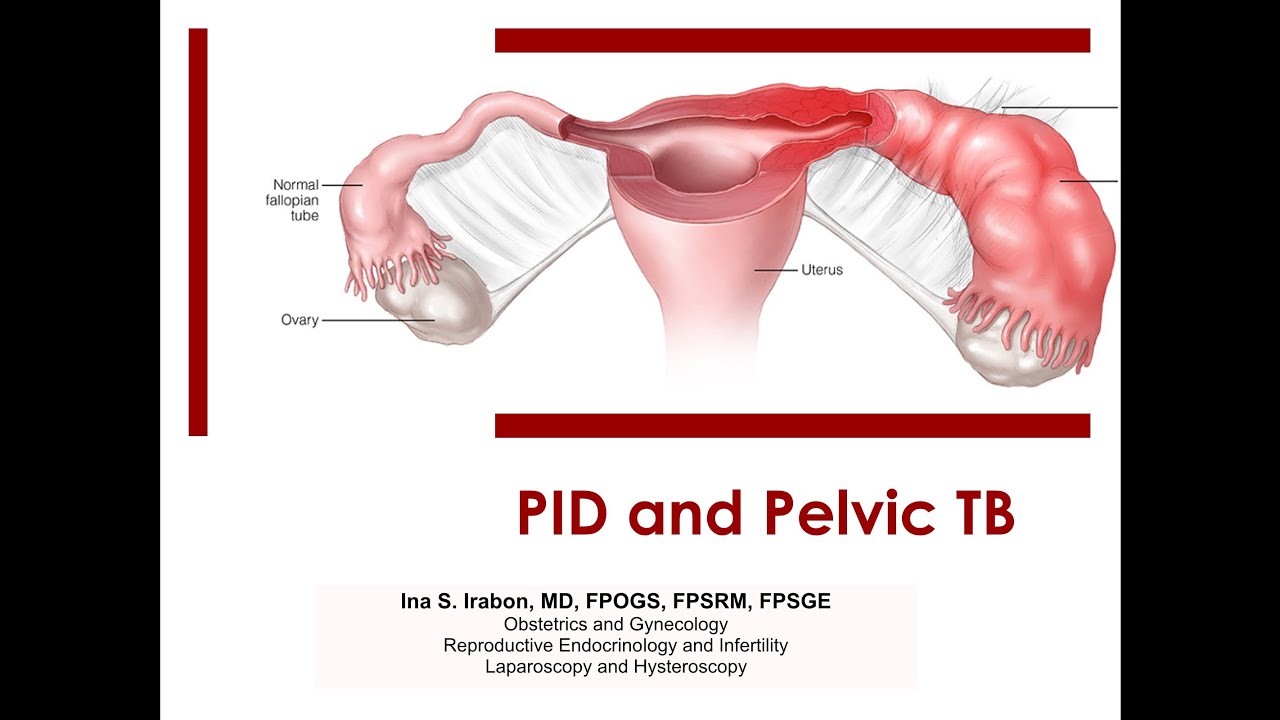
The Shocking Link Between Douching and Pelvic Inflammatory Disease (PID) is a serious infection of the female reproductive organs that can lead to long-term health complications if left untreated. While many factors contribute to the development of PID, recent studies have uncovered a surprising and concerning connection between douching and an increased risk of this condition. Understanding this link is crucial for women’s health, as it highlights the potential dangers of a common hygiene practice that many may consider harmless.the science behind douching, how it affects the natural balance of the reproductive system, and why it can elevate the risk of PID.
What if that “fresh feeling” from douching isn’t just pointless — but quietly pushing harmful bacteria into your reproductive organs?
Most women don’t realize that a common hygiene habit may be inviting trouble deep inside their bodies.
That’s the hidden danger many doctors and researchers are now warning about: a real link between douching and pelvic inflammatory disease (PID).
The Shocking Link Between Douching and PID_Understanding Pelvic Inflammatory Disease (PID)
Pelvic inflammatory disease (PID) is an infection of a woman’s reproductive organs — including the uterus, fallopian tubes, and ovaries. Most often, it begins when bacteria travel upward from the vagina or cervix and settle in these organs.(Mayo Clinic)
PID may be obvious in some women, but in others the symptoms are so mild they go unnoticed until it’s too late For this reason, it has earned a reputation as a silent but serious health threat.
Common Symptoms of PID
- Lower abdominal or pelvic pain
- Pain during intercourse
- Fever or chills
- Unusual discharge with odor
- Painful urination
- Irregular bleeding
If untreated, PID can cause permanent scarring in the fallopian tubes — a leading cause of infertility and ectopic pregnancy.
What Is Douching — Really?
Douching involves flushing the inside of the vagina with water or a mixture of water and other substances (often vinegar, antiseptics, or commercial solutions). Although some people douche believing it keeps them clean or prevents infection, health professionals almost universally advise against it.
The vagina is self-cleaning — it maintains its own moisture, bacteria balance, and pH without the need for internal washing.
Despite this, douching remains common — and that’s a problem.
The Research: Douching and PID
When researchers started looking closely at who developed pelvic inflammatory disease, a pattern emerged: women who douched regularly showed higher rates of upper reproductive tract infections, including PID.
One large multisite clinical study reported that women with symptoms of PID who had recently douched were nearly twice as likely to have upper genital tract inflammation or infection compared with women who hadn’t douched.
Another population-based study found that women who douched in the recent months were significantly more likely to develop PID than those who did not douche — and the risk grew as the frequency of douching increased.
But how does this really happen?
How Douching May Push Bacteria Upward
Douching doesn’t just rinse — it can push vaginal bacteria up past the cervix into the uterus and fallopian tubes.
In a healthy vagina, beneficial bacteria help keep pathogens in check. Douching disrupts this environment, washing away protective microbes and altering the delicate balance that keeps harmful bacteria from spreading upward.
Once these bacteria reach the uterus or fallopian tubes, they can trigger inflammation and infection — the hallmark of PID.
The Shocking Link Between Douching and PID-Why Many Women Miss the Warning Signs
One of the most concerning aspects of PID is its subtle onset. Many women either experience no symptoms or dismiss them as menstrual cramps, urinary irritation, or stress.
Common reasons PID goes unnoticed include:
- Mild or intermittent pain
- Vaginal discharge that resembles normal variations
- Misattributing symptoms to a urinary tract infection
- Unawareness that a hygiene habit could be harmful
This silent progression makes understanding the risks of douching especially important.
PID vs. Normal Vaginal Flora
To clarify how douching alters your risk, here’s a simple comparison of normal, healthy vaginal conditions versus what happens after frequent douching:
| Aspect | Healthy Vaginal Environment | After Frequent Douching |
|---|---|---|
| Protective bacterial balance | Strong, stable | Disrupted |
| pH level | Slightly acidic (protective) | Altered |
| Bacterial migration | Controlled | Potentially upward migration |
| Risk of infection | Lower | Higher |
| PID likelihood | Baseline | Increased |
This chart highlights that even though the vagina cleans itself naturally, douching interrupts that balance in a way that can create a pathway for infection.
The Real Consequences of PID
Pelvic inflammatory disease isn’t just uncomfortable — it can have lasting effects:
- Infertility: Scar tissue can block fallopian tubes, preventing conception.
- Ectopic Pregnancy: Damage to the tubes increases the risk of pregnancy occurring outside the uterus, a life-threatening condition.
- .Chronic Pelvic Pain: Persistent inflammation may cause ongoing pain and discomfort
Because of these risks, the Centers for Disease Control and Prevention and multiple medical authorities advise strongly against routine douching.
Why Some Women Still Douche
Despite the evidence, douching persists for various reasons:
- Misconceptions about hygiene
- Desire to remove odors
- Cultural or traditional practices
- Misinformation from advertising
Many women believe douching is necessary to feel clean — but that very act may compromise the natural defenses your body evolved to protect you.
Safe Alternatives to Douching
If you’ve relied on douching for comfort, try these safer approaches:
- Gentle external cleansing with warm water
- Mild, fragrance-free soap for the vulva only
- Consult your clinician for unexplained odors or discharge
Remember: the vagina itself doesn’t need internal rinsing. Keeping the external area clean is sufficient for most hygiene needs.
When to See a Doctor
If you experience any of the following, seek medical attention promptly:
- Persistent pelvic pain
- Pain during sex
- Fever
- Unusual discharge with bad odor
- Painful urination
Early diagnosis and treatment of PID can prevent serious complications and preserve reproductive health.
Final Thoughts
The connection between douching and pelvic inflammatory disease is more than rumor: it is supported by scientific evidence showing this practice can disturb your body’s natural balance and increase infection risk. What feels like hygiene may be silently encouraging bacteria to travel where they shouldn’t.
Breaking the habit of douching can protect not just your immediate comfort, but your long-term reproductive health as well.
Call to Action
Did this article open your eyes to the risks of douching?
Share this post with a friend — and if you want more evidence-based women’s health insights delivered to your inbox,